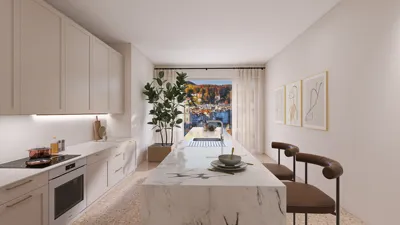


I once took on the challenge of painting a small loft within a single weekend because the owner wanted it completed before a surprise birthday party — a classic rookie error. Through this experience, I realized that rushing without adequate preparation can lead to a painting disaster. However, this chaos also equipped me with smart strategies that not only save time but also enhance the finish quality. During the remodel of an apartment, I utilized insights gleaned from renovation cases to preview sightlines and safeguard key areas before employing an airless sprayer, such as those offered by Homestyler.
Navigating small spaces necessitates ingenuity: limited room for ladders, increased reflection from proximate surfaces, and a significant return on the tape investment. I’m excited to share five dependable strategies I rely on for interior painting using an airless sprayer — these methods are practical, budget-conscious, and validated through real-world projects.
1. Select the appropriate tip size, pressure, and paint mix
I always begin by aligning the tip size with the type of paint — a tip that's too large can create runs, while one that's too small may require excessive reworking of the spray. Thinning recommendations vary among manufacturers, so it’s crucial to adhere to their guidelines to prevent clogs and maintain a consistent mist.
This is where professionals showcase their expertise: adjusting the pressure down for edges and increasing it for broader walls grants greater control. Although this means additional testing time, executing a quick test on cardboard can save you from the headache of repainting an entire wall.
save pin
2. Mask, cover, and ventilate like a pro
Masking may seem tedious, but the success of everything else hinges on it. I utilize plastic sheeting, low-tack tape, and cloth drop cloths in high-traffic areas; using a fan and opening exhaust windows helps minimize overspray settling.
Although this requires a bit more time and budget upfront, I detest cleaning unintended paint from trim — and my clients certainly appreciate the pristine finish.
save pin
3. Hone your technique on a practice board
Before tackling the actual wall, I conduct a practice spray: maintaining a consistent speed, correct distance (typically 10–18 inches), and overlapping passes by about 50%. My arm adapts to the rhythm faster than my mind can.
For visual aids, I documented a small-space case study where practicing on panels reduced my touch-ups by half. While the challenge lies in finding time to practice, the reward is fewer drips and less sanding later.
save pin
4. Work in sections and finish off with back-brushing when necessary
I tackle one section at a time and frequently step back. For porous or textured walls, I typically follow up the spray with a light back-brush or roller, which helps to smooth out texture and correct any sheen inconsistencies.
This hybrid method may require more labor but successfully merges speed with a polished, professional finish — a tradeoff I endorse for visible areas like living rooms and bedrooms.
save pin
5. Ensure thorough cleaning and maintenance of your sprayer
Immediate cleaning post-use is essential. Flush the hose, clean the tip, and run solvent through the pump until it's clear; neglecting this minor hassle can shorten your equipment's lifespan and lead to future clogs.
For budget projects, I keep a spare tip and inexpensive filters on hand — these small investments can prevent costly delays. In busy areas like kitchens or bathrooms, I might also review a kitchen painting layout example on Homestyler to strategically plan staging and access before spraying.
save pin
FAQ
Q1: Is it safe to use an airless sprayer indoors?
I always advise ensuring proper ventilation, utilizing protective masks (NIOSH-approved respirators for paint fumes), and sealing off adjacent rooms. For comprehensive guidance on respiratory protection, refer to OSHA's recommendations.
Q2: What tip size is optimal for interior walls?
For most interior latex paints, I typically select tips ranging from .015 to .019. Thicker paints or elastomeric coatings necessitate larger tips; it's always wise to refer to the paint’s datasheet.
Q3: Do I need to thin paint for an airless sprayer?
Occasionally. While many modern paints are ready for spraying as-is, high-viscosity coatings may require thinning based on manufacturer's instructions to avoid clogs and ensure even atomization.
Q4: How can I avoid overspray on adjacent surfaces?
It's crucial to mask everything, utilize sheeting, and manage airflow. Low-tack painter’s tape and weighted drop cloths prevent plastic from blowing into the spray zone.
Q5: Is it possible to spray trim and ceilings using an airless sprayer?
Yes, but when spraying trim, lower pressure and finer tips are advisable. Ceilings can be done quickly with a sprayer, but you should be ready for more masking and cleanup efforts.
Q6: How often should I service my sprayer?
Clean it thoroughly after each use and check seals monthly if you're spraying frequently. Proactively replace worn tips and filters to maintain consistent performance.
Q7: Is back-rolling mandatory after spraying?
Not necessarily — you can skip it for smooth finishes, but back-rolling is advantageous for textured walls, helping to minimize sheen variations and enhance the final appearance.
Q8: What’s the best way to test settings prior to starting?
Spray onto large cardboard or a scrap panel placed in similar lighting conditions to the room. Adjust the tip, pressure, and distance until the spray pattern is consistent and free from runs.
save pin
Homestyler is your go-to online home design platform, perfect for anyone looking to create stunning spaces. With its user-friendly design tool, impressive 3D rendering, and a wealth of DIY video tutorials, you can easily transform your ideas into reality. Start designing today!
Zaprojektuj teraz za darmo
































