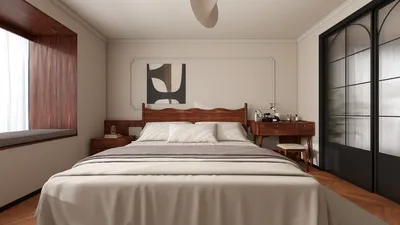


During a visit to a client's studio, I once discovered that I had mistakenly brought a glossy sheen, which turned a cozy bedroom into a space reminiscent of a diner instead of a tranquil sanctuary. This experience taught me the hard way about the importance of careful preparation. After redesigning the space, I began utilizing mockups and experimenting in a more thoughtful manner. A quick 3D rendering helped me persuade the client to opt for a satin trim, ultimately maintaining the calm, sophisticated atmosphere of the room.
1. Choose the appropriate sheen for each room
For living rooms and bedrooms, I often suggest eggshell or satin finishes. These Valspar interior paints effectively conceal flaws while still being easy to clean. While semi-gloss or gloss finishes are excellent for trim and doors, they tend to highlight imperfections, so it’s vital to sand and prime meticulously. Although this requires a bit more effort, it results in improved durability and easier maintenance.
save pin
2. Make a bold statement with accent walls, even in small rooms
Using dark or saturated Valspar colors can create an illusion of depth without making a small space feel cramped, provided the accent wall is positioned behind the focal point, such as a headboard or sofa. However, to maintain color balance, it's crucial to integrate lighter textiles and reflective lighting to avoid creating a cave-like ambiance. For instance, I once painted one wall of a studio a deep teal and complemented it with warm wood and brass accents, which enhanced the curation of the space rather than constricting it.
save pin
3. Use color on architectural details to enhance perceived volume
Applying paint to trim, doors, or even ceilings in a lighter or warmer tone than the walls can visually elevate the ceiling, making a small room feel more spacious. Whenever I’m uncertain about a color combination, I test swatches and utilize an AI home design tool to preview the same angle in various lighting conditions — this approach conserves time and minimizes costly repainting efforts. An added challenge is coordinating finishes, so always test side-by-side at various times of day.
save pin
4. Consider two-tone treatments and washable lower walls for busy homes
A half-wall color scheme or washable Valspar paint on lower sections can shield against scuffs in high-traffic areas like entryways and children's rooms, while keeping the upper wall light and airy. This method is budget-friendly because it allows you to use the same paint line, avoiding expensive specialty coatings; however, it requires precise tape lines and may necessitate touch-ups where furniture may rub. I always provide a touch-up pot for each client — this small gesture builds trust and confidence.
save pin
5. Swatches, sample pots, and light-aware testing
Purchase sample pots and create 12"x12" swatches on various walls — colors can change dramatically with different lighting throughout the day. I often recommend clients to live with these swatches for a week, adjusting lamp placements to observe true color behavior. For those looking to delve deeper, utilizing design tools, like Homestyler, can help visualize your layout prior to making any commitments. Investing a bit in testing can save time and enhance the mood later on.
save pin
FAQ
Q: Is Valspar interior paint suitable for small apartments?
A: Absolutely! Valspar provides an array of sheens and colors ideal for compact spaces; their mid-sheen options offer a perfect balance of washability and imperfection concealment, making them perfect for apartments.
Q: Which sheen should I choose for walls versus trim?
A: I typically recommend eggshell or satin for walls, and semi-gloss for trim and doors. Lower sheen on walls helps mask texture, while higher sheen on trim enhances durability and eases maintenance.
Q: How many coats of Valspar interior paint are necessary?
A: Most walls require two coats for full coverage, particularly with significant color changes; applying a primer can reduce the number of topcoats needed and improve adhesion.
Q: Is Valspar suitable for cabinets and furniture?
A: It is possible; however, cabinets typically require a specialized cabinet or enamel formula along with a good primer and proper sanding. While this approach yields a durable finish, it does demand more preparation time and skill.
Q: What is the best way to test colors in my space?
A: Create several 12"x12" swatches on different walls and observe them under morning and evening light for several days to reveal underlying tones and how they interact with your furnishings.
Q: How about VOCs and safety concerns?
A: Valspar offers low-VOC options; always check the product label for VOC levels and ensure adequate ventilation during painting. For precise product details, refer to Valspar’s official specifications on their website.
Q: How long should I wait before recoating or moving furniture back?
A: Dry times vary by sheen and formula, but generally, you should wait 2-4 hours between coats and 24-48 hours before light use; full curing may take up to two weeks.
Q: Any budget-friendly tips?
A: Begin with sample pots, use a good nap roller for efficient application, and keep a small touch-up can handy for future repairs — these small habits can significantly reduce long-term costs.
Homestyler is your go-to online home design platform, perfect for bringing your creative visions to life. With an intuitive design tool, stunning 3D renderings, and a wealth of DIY video tutorials, transforming your space has never been easier or more exciting!
تصميم الآن مجانا
































