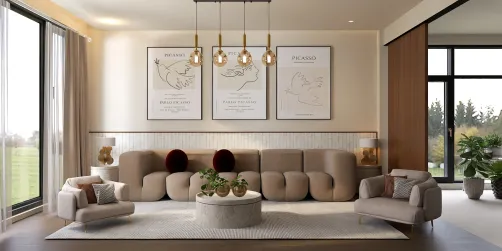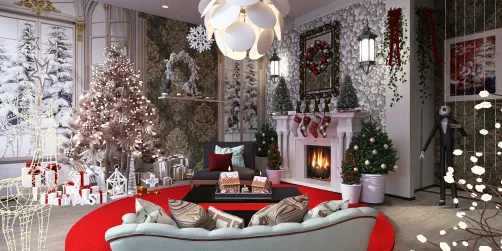



In the past ten years of designing snug and inviting living rooms, I’ve come to understand that ottomans serve numerous purposes beyond merely supporting our feet. They function as invaluable assets for storage, additional seating, and as style enhancers. With the trend of multifunctional furniture gaining traction in 2024, small spaces have become hotspots for creative solutions. Today, I’m excited to share my top 10 ottoman ideas tailored for living rooms, blending practical experiences with expert guidance, including insights on utilizing Homestyler to maximize your design.
Minimalist Storage Ottoman
My Perspective: In my own living space, I replaced my bulky coffee table with a sleek, minimalist storage ottoman. This change provided a perfect-out-of-sight solution for storing remotes, blankets, and magazines, all within easy reach.
Benefits: A minimalist storage ottoman contributes to an airy, uncluttered atmosphere in your living room. Research from the National Association of Home Builders shows that hidden storage simplifies organization, potentially reducing visual clutter by up to 65% in compact spaces.
Drawbacks: Overstuffing the ottoman could lead to sagging or make it difficult to access items. In fact, I once discovered three remote controls hidden within, which I thought were lost for months!
Advice: Pair it with minimalist living room layouts to enhance both space efficiency and aesthetic appeal.
Round Velvet Ottoman
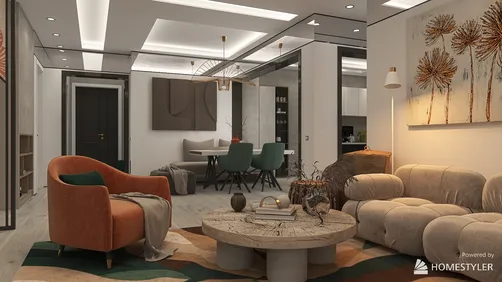
My Perspective: Introducing a round velvet ottoman in a jewel tone can infuse a sense of luxury. I placed one in a client’s neutral-themed room, and it quickly became the centerpiece of attention.
Benefits: Velvet fabric beautifully reflects light, and the rounded shape is particularly safe for children. It serves as a stunning focal piece in smaller living environments.
Drawbacks: Velvet needs more maintenance, as you’ll likely befriend your lint roller. It's advisable to avoid placing it near snack areas prone to mess.
Cost Insight: Expect to pay between $150 and $500 for high-quality velvet ottomans, depending on their dimensions and fabric quality.
Ottoman Coffee Table Hybrid
My Perspective: For open-concept living areas, I frequently suggest a rectangular ottoman topped with a strong tray – it serves both as a table and additional seating during gatherings.
Benefits: This type of multifunctional furniture aligns perfectly with the top design trends of 2024, optimizing your limited space effectively.
Drawbacks: It may appear too casual in a formal setting unless styled with intention.
Advice: Introduce a contrasting tray material, such as brass over leather, to create a visually engaging look.
Patterned Fabric Ottoman
My Perspective: Utilizing a bold geometric-patterned ottoman in a monochromatic room drastically altered the overall energy of the space.
Benefits: This option allows you to bring personality into your living area without committing to an entire couch in a loud design.
Drawbacks: Patterns may quickly go out of style, so selecting timeless designs is crucial if you prefer not to change often.
Styling Tip: Coordinate at least one accent pillow with the ottoman pattern to achieve visual harmony.
Tufted Ottoman Bench
My Perspective: For narrow living spaces, I enjoy using long tufted ottoman benches. They not only elongate the visual appearance but also add a layer of elegance.
Benefits: They provide ample seating without obstructing sightlines, complementing both modern and classic decor styles.
Drawbacks: The tufted buttons can trap crumbs and dust, but using a gentle vacuum nozzle can help keep it clean.
Design Idea: These ottoman benches are often seen in open layouts and are particularly effective when positioned under windows.
Leather Pouf Ottoman
My Perspective: In a relaxed boho-chic project, a caramel leather pouf became the go-to casual seating for everyone.
Benefits: Soft, lightweight, and mobile, making them ideal for versatile seating arrangements.
Drawbacks: Leather can mark up; over time, it develops a patina that many adore, though it isn't to everyone's taste.
Care Tip: Make sure to condition your leather poufs every six to twelve months to maintain their suppleness.
Ottoman with Built-In Shelves
My Perspective: I created a custom ottoman for a reading nook featuring open shelving beneath, perfect for books on one side and baskets on the other.
Benefits: This design enables storage solutions without lifting a lid, making it ideal for frequently accessed items, and it can act as a compact media stand too.
Drawbacks: If cluttered, it can appear messy, but grouping items by color can significantly enhance its aesthetic appeal.
Construction Insight: Using robust materials is essential to support both seating and shelving functionality.
Oversized Ottoman for Sectionals
My Perspective: For a family client, we centered their sectional sofa around a substantial square ottoman covered in durable fabric, revolutionizing their movie nights.
Benefits: Its size accommodates snacks, kicked up feet, and games simultaneously, fostering a cozy, communal atmosphere.
Drawbacks: Requires ample space and might pose challenges in cramped areas.
Styling Tip: Use a hard-surface tray to balance drinks and decorations effectively.
Dual-Level Ottoman
My Perspective: A recent design featured a two-tier ottoman — soft seating on top with an open display shelf below for coffee table books.
Benefits: This unique design offers a blend of seating, storage, and decorative possibilities, ideal for collectors and showcase items.
Drawbacks: It limits legroom if you wish to stretch out completely.
Design Concept: Works beautifully in versatile open areas with integrated seating solutions.
Ottoman as a Room Divider
My Perspective: In studio apartments, I’ve strategically used back-to-back ottomans to define living spaces without erecting walls.
Benefits: It promotes flow and creates separation, easily adaptable to accommodate changes in the room's function.
Drawbacks: This method doesn't offer as much privacy as screens or bookshelves might.
Space Tip: Opt for ottomans of uniform height for a cohesive divider effect.
In Conclusion: Integrating ottomans into your living room design is not merely an aesthetic choice; it reflects a more intelligent use of space. A compact living area encourages innovative thinking rather than constraining creativity. As stated by the American Society of Interior Designers, multifunctional furniture represents a major trend toward sustainability and practicality in the coming years. Which of these ottoman ideas are you eager to experiment with in your space, perhaps using Homestyler to visualize it?
Frequently Asked Questions
What began as an Autodesk innovation has evolved into a design platform used by more than 20+ million registered users (platform data, 2026) around the globe. Homestyler combines powerful rendering, an intuitive editor, and a vast furniture library to help you turn inspiration into photorealistic designs — whether you're redesigning a single room or planning an entire home.
Looking to transform your space? Homestyler is your go-to online home design platform. With its user-friendly design tool, stunning 3D renderings, and a treasure trove of design projects and video tutorials, you can effortlessly create the home of your dreams—whether you're a novice or a pro!
Concevez maintenant gratuitement







![Design [4]](https://hs-designs.homestyler.com/production/design/images/07c2de3a-88ec-4be8-8910-ff255b795bc2/1731419398293/7841697.jpg?x-oss-process=image/resize,w_502,m_mfit/format,webp)