

Once, I had the experience of crafting a mural in a living room for a client who insisted on a life-size representation of a golden retriever—only to discover that a TV would be placed right over its paw. This taught me the importance of mapping out sightlines before applying any paint. Since then, I've made it a practice to create a preliminary sketch that highlights the placement of key elements. Working within limited spaces forces thoughtful decisions, and such constraints often result in the most remarkable murals. This is where tools like Homestyler can be invaluable for planning layouts.
1. Trompe-l'œil architectural features
I enjoy painting faux windows, moldings, or alcoves that add an illusion of depth. This approach is a cost-effective way to transform a flat wall into an architectural highlight—perfect for studios or narrow hallways. The key challenge lies in scaling; an oversized illusion in a small room can feel overwhelming, so I typically reduce the scale and adjust colors for a sense of balance.
save pin
2. Oversized botanical panels
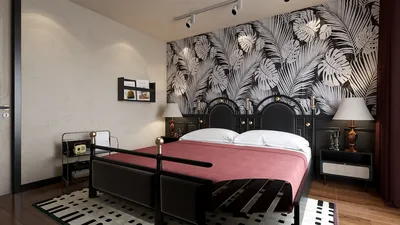
A single oversized panel featuring leaves or flowers can introduce drama without needing to cover every wall. I often use vibrant colors for the focal area while neutralizing the adjacent walls to allow the mural to breathe. A budget-friendly tip: paint one large panel and use printed wallpaper or decals for nearby walls to expand the overall effect.
save pin
3. Geometric patterns in defined areas
Implementing geometric stripes, checkerboard patterns, or repeating motifs can optically enlarge narrow spaces or elevate low ceilings. I often draft a repeat pattern and utilize a 3D preview when proportions are tricky—visualizing it in perspective allows me to avoid repainting later. However, precision is vital; patterns require careful measuring and sometimes a small investment in stencils.
save pin
4. Interactive chalk or magnetic murals
For families or creative environments, I blend hand-painted scenery with sections coated in chalkboard or magnetic paint, allowing the mural to evolve. Kids can add seasonal elements without damaging the artwork, while adults appreciate the mural's versatility. It’s fun and functional; however, be aware that magnetic paint may require a few layers and testing for proper adhesion.
save pin
5. Customized kitchen backsplashes or small bathroom scenes
Creating a painted backsplash or a small fresco above a vanity provides a unique touch that standard tiles can’t replicate. I plan focal points around sinks and appliances so that the art complements the functionality—imagine a beautiful seascape above the sink or a spice-themed mural next to the stove. It's wise to coordinate the layout of your kitchen first. This option can be more expensive if you opt for tile-grade sealants, but the personalized charm makes it worthwhile.
save pin
FAQ
1. How long can a hand-painted wall mural last?
With proper priming and a protective clear coating, an indoor mural can endure for decades. Its longevity hinges on factors such as foot traffic, exposure to sunlight, and the quality of materials used, including the paint and sealant.
2. Which type of paint is best for an interior mural?
I typically advise using high-quality acrylic or latex wall paints because of their color retention and ease of cleaning. In wet areas, such as behind sinks, incorporating a waterproof sealer or enamel finish offers added protection.
3. Is it possible to paint a mural myself without being an artist?
Absolutely—begin with simple designs, stencils, or projected outlines to trace shapes. Break the project down into manageable sections and anticipate that the initial attempt will be a learning journey; practicing on poster board can be beneficial.
4. What are the steps to prepare a wall for mural painting?
To prepare the wall, clean, sand, and prime the surface, patch any holes, and apply a smooth, consistent base color to ensure the mural sits evenly. Proper preparation saves time and helps prevent premature peeling.
5. Are murals safe in terms of fumes and VOCs?
Low-VOC and zero-VOC paints are now readily available and are recommended for indoor murals to minimize odors and health risks. For more information on volatile organic compounds, consult the U.S. EPA guidelines (https://www.epa.gov/indoor-air-quality-iaq/volatile-organic-compounds).
6. What budget should I allocate for a custom mural?
The costs can vary significantly depending on factors such as size, complexity, and artist rates; expect manageable expenses for a modest wall panel if doing it yourself, while full-room commissions may be more costly. Always obtain a comprehensive quote that includes materials, priming, and finishes.
7. Can I integrate paint with other materials?
Of course—combining paint with wooden embellishments, tile accents, or fabric panels can enhance texture and depth. Just ensure that all materials are sealed appropriately for their intended environment.
8. What is the best way to maintain a mural?
Regularly dust and clean the mural using a soft cloth and mild detergent when necessary; avoid using harsh cleaners. For murals located in high-traffic areas, plan for occasional touch-ups every few years to keep the colors vibrant.
save pin
Looking to transform your space? Homestyler is your go-to online home design platform! With its user-friendly design tool, stunning 3D renderings, inspiring design projects, and helpful video tutorials, you can effortlessly create and visualize your dream home—perfect for all skill levels!
Diseño ahora GRATIS
































