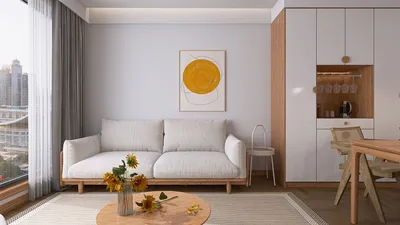


In a recent project, I installed a dramatic oversized chandelier in a client's 9 m² home office, which they adored. Unfortunately, it resulted in them bumping their head on it multiple times. This experience taught me two crucial lessons: firstly, the significance of scale, and secondly, the clever solutions that small spaces can necessitate. Whether you’re redesigning an open office layout or creating a cozy nook under the stairs, the choice of ceiling lighting can significantly impact the room's comfort and productivity. Utilizing tools like Homestyler can help visualize these changes effectively.
1. Layered recessed and accent cove
I often implement recessed downlights to achieve consistent ambient lighting, adding a shallow cove or LED strips for a soft, indirect glow. This combination minimizes screen glare and adds depth to lower ceilings without overwhelming the space. There are some limitations, such as requiring a slightly higher ceiling void for the cove and a dimmer to adjust brightness; however, it remains a budget-friendly and highly adaptable solution.
save pin
2. Single statement pendant with task zones
A slim, low-hanging pendant over the desk serves as a focal point while maintaining a light feel. Complement it with adjustable track lighting or under-shelf fixtures to illuminate workspaces like your keyboard and documents effectively. This arrangement not only looks stylish but also simplifies wiring, although one should be cautious about scale—selecting a pendant that is too large could overpower a compact area.
save pin
3. Adjustable recessed eyeballs for versatile tasks
For creatives who alternate between sketching, video conferencing, and model-making, adjustable recessed eyeballs offer precise control over light direction. I frequently test light placement using tape outlines in a mock-up—an inexpensive method with significant results. If you're interested in seeing the final appearance first, utilizing a 3D visualization tool like Homestyler can help you preview shadows and glare before finalizing your choices.
save pin
4. Integrated acoustic lighting for bustling apartments
Ceiling panels that integrate soft LED lighting and acoustic materials are invaluable in urban flats. They diminish echo while evenly lighting the desk, making them ideal for lengthy video calls. While the cost may be slightly elevated and the ceiling height may be reduced, the benefits of improved sound quality and cleaner lighting are worthwhile in lively households.
save pin
5. Smart dimmable grids and circadian controls
I've observed a noticeable increase in productivity when clients adjust color temperature throughout the day—employing cooler whites in the morning and warmer tones for late-night focus. Smart ceiling systems that facilitate scheduling and scene presets make this transition seamless. Although the initial cost is higher and the technology can be tricky, integrating simple routines can alleviate most issues. Think of it as an investment in everyday comfort.
save pin
FAQ
Q1: What color temperature is ideal for ceiling lights in a home office?
For focused work, I recommend 4000K–5000K (neutral to cool white) during the day and warmer 2700K–3000K for evening relaxation. Cooler temperatures enhance alertness, while warmer ones help alleviate eye strain at night.
Q2: How many lumens are needed for an average home office?
Targeting approximately 300–500 lux on the work surface is a solid guideline. This typically equates to about 3000–5000 lumens for a small room, contingent on the layout and reflectance.
Q3: Are recessed lights superior to pendants in small rooms?
Recessed lights provide cleaner ceiling lines and broader illumination, whereas pendants add character and focused light. I frequently combine both: using recessed for ambient light and a pendant or task light for the desk area.
Q4: How can I prevent screen glare from ceiling lights?
Opt for indirect lighting or recessed trims with baffles, positioning fixtures to avoid direct lines to the computer monitor. Including dimmable options and layered lighting setups also lets you adjust brightness where glare arises.
Q5: Can ceiling lights enhance acoustics?
Absolutely—acoustic ceiling panels with integrated lighting minimize echo while maintaining a bright ambiance. They are particularly useful for clients who regularly conduct video calls from limited spaces.
Q6: What’s a cost-effective way to test ceiling layouts?
Mark fixture positions with tape on the ceiling, and use clamp lamps to assess light distribution, or quickly create a 3D mock-up to visualize lighting before permanent installation. This approach helps avoid unexpected costs and rewiring issues.
Q7: Are smart lighting systems worth the investment?
For individuals with varied schedules, definitely—programming schedules, scenes, and dimming features enhances comfort and can positively influence sleep patterns. While the upfront expenses might be higher, many users find the daily benefits to be justifiable.
Q8: What do lighting standards indicate regarding office illumination?
According to the Illuminating Engineering Society (IES), typical office task lighting recommendations hover around 300–500 lux for visual tasks. Refer to IES guidelines as a baseline target and adjust based on personal preferences.
save pin
Discover the ease of home design with Homestyler! This intuitive online platform offers a fantastic design tool, stunning 3D renderings, and a wealth of inspiring project ideas. Plus, with DIY video tutorials, you’ll have everything you need to transform your space effortlessly. Start your design journey today!
Design Now for FREE
































