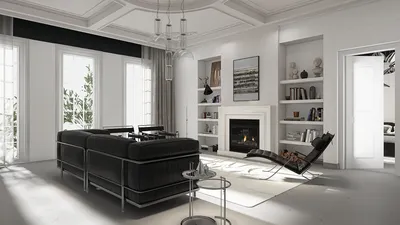


In one instance, a client insisted on using neon coral for their tiny lakeside cabin, claiming it would "cheer up the moose." I was able to guide them toward more practical choices, but that outlandish request illustrated just how impactful color can be in small spaces. To help visualize different color schemes before making a commitment, I frequently recommend using 3D modeling tools like Homestyler — this approach can prevent costly paint jobs, save time, and eliminate regrettable design decisions later on.
1. Warm Rustic Neutrals
In cabin designs, I appreciate starting with warm beige, taupe, and soft greige tones; they create a cozy atmosphere and are more forgiving with dust than pure white. The flexibility of these colors allows for layering with textures such as leather, plaid, or even modern metallic accents. However, to avoid a bland environment, it's essential to incorporate textures like woven rugs or matte finishes, ensuring the space remains visually stimulating.
save pin
2. Deep Forest Greens
If you're aiming for a classic mountain-cabin feel, applying a rich forest or hunter green to an accent wall can instantly enhance the room and beautifully complement reclaimed wood. This bold choice is also surprisingly calming. However, one must be cautious with lighting, as darker shades demand adequate natural or layered artificial illumination to prevent a cave-like sensation.
save pin
3. Soft Cottage Blues
Opting for soft, muted blues, such as dusty or slate blue, can imbue a lakeside cabin with that effortlessly breezy charm without drifting into overt nautical themes. These shades work well on smaller walls and pair seamlessly with white trims. If you're uncertain, utilize AI tools like Homestyler to experiment with palettes and see which combinations resonate best with your existing furniture and natural lighting.
save pin
4. Smoky Charcoal Accent
Using a smoky charcoal or warm slate in moderation—say, on a fireplace wall or kitchen island base—can create depth and a modern contrast within rustic environments. It pairs nicely with brass or copper fixtures. Yet, caution is required: expansive applications of these darker hues can make a room feel smaller, so balancing them with lighter ceilings and reflective surfaces is advisable.
save pin
5. Sunlit Pine & Whitewash
Whitewashed or pale creamy whites that showcase the natural grain of pine are ideal for illuminating small cabin interiors. They are budget-conscious and visually forgiving, though they risk appearing too stark against older wood unless softened. Consider warming them up with stained trims or textured elements, and remember to utilize design tools like Homestyler to visualize room layouts that align with your lighter color schemes.
save pin
FAQ
Q1: What paint sheen is best for cabin walls? I typically suggest eggshell or satin finishes for walls, as they can hide imperfections while remaining easy to clean. Sherwin-Williams also endorses these finishes for living areas.
Q2: Is it possible to incorporate bright colors in a small cabin? Absolutely! When used as accents—on doors, trim, or even a single wall—bright colors can inject personality without overwhelming the area. Just maintain a more muted overall palette for cohesion.
Q3: How do I select a color that complements exposed wood? It's best to sample paint swatches alongside the wood at different times of the day; warm neutrals and subtle cool tones can enhance grain details without clashing. Both natural light and the wood’s undertones will guide you toward the perfect match.
Q4: Are darker colors practical for cabins? Darker hues can add drama and conceal scuffs, but they require careful consideration of lighting and placement. It's best to apply them to focal features instead of covering all walls, especially in smaller cabins.
Q5: Should trim be the same color as the walls? I recommend using a slightly lighter or glossier trim to outline walls and reflect light; while matching can create a seamless appearance, it may flatten the room's depth. Opting for a trim tone just one or two shades off from the wall color provides subtle definition.
Q6: How can I test paint without purchasing full cans? Use sample pots to paint 2x2-foot sections on your wall, observing them in morning and evening light for several days. Experiment with layering textiles and decor against the samples to assess how they complement each other.
Q7: Are low-VOC or eco-friendly paints a good choice? Low-VOC options are ideal for cabins, as they emit fewer fumes and can be just as durable as traditional formulas. Many trusted brands include VOC information on their product pages, so check those specifications before making a decision.
Q8: How can I make a rental cabin feel personal without permanent modifications? Using removable peel-and-stick wallpaper on an accent wall, slipcovers, and portable lighting can dramatically alter a space without the need for repainting. These solutions allow for experimentation with colors and textures while preserving the property’s flexibility for future renters.
Discover your home’s potential with Homestyler! This user-friendly online design platform offers an innovative design tool, stunning 3D renderings, and a wealth of DIY video tutorials. Bring your vision to life with ease and creativity, perfect for all skill levels!
Design Now for FREE
































