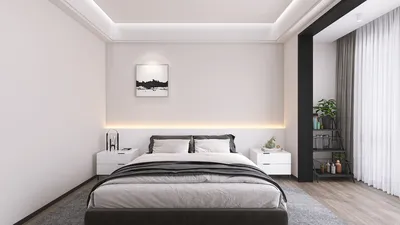


I once found myself chuckling so intensely that I nearly let a paint sample slip from my hands when a client claimed their cabin appeared better "sun-kissed" at night. This amusing incident revealed to me that color encompasses both emotional resonance and the study of light. The charm of small cabins lies in their ability to compel decisiveness: a single wall color can significantly shape the overall atmosphere. For those looking to foresee how a color palette will interact within confined spaces, creating a quick 3D mockup using tools like Homestyler can be immensely helpful before making a purchase of paint.
1. Warm Pine & Cream
This timeless combination embraces the cabin aesthetic without feeling overly dark. I frequently combine natural pine wood, whether in ceilings or trim, with a soft cream hue on the walls. This pairing retains a warm ambiance while effectively reflecting light. It's important to consider maintenance, however: warm wood tones might yellow with time, so selecting a cream with a hint of a cooler undertone can mitigate concerns about aging.
save pin
2. Moss Green Accent with Linen Walls
A mossy green accent wall or behind shelves adds depth, seamlessly connecting the interior to the exterior trees. Using linen or off-white in other areas maintains an airy feel, preventing the room from becoming cave-like. This approach allows for a bold choice without fully committing to painting the entire cabin. Just bear in mind that darker accents can make compact rooms appear even smaller, so utilize mirrors or gloss finishes thoughtfully.
save pin
3. Smoky Blue-Gray for Lakefront Serenity
When a client requested a tranquil retreat, I proposed a blue-gray that presents different moods during daybreak and twilight—appearing cool in the morning light, yet warmer under lamplight. This palette combines wonderfully with aged leather and brass accents. To counteract a potentially cold ambiance, introduce warm textiles and wood tones for balance.
In tight layouts, I often draft a detailed floor plan to ensure that paint placement and sightlines enhance the space's intentionality.
save pin
4. Charcoal Feature Wall with White Trim
Opting for darker hues in a cabin can seem daunting, but implementing a solitary charcoal wall behind a bed or sofa creates a dramatic, cozy effect. Sharp white trim elevates the contrast for a polished finish. However, it's crucial to note that dark paint tends to show dust and may require additional lighting—yet when applied judiciously, it's a designer's shortcut to sophistication.
save pin
5. Sunlit Yellow with Weathered Gray Floors
For a cheerful, Scandinavian-inspired cabin, I recommend a soft sunlit yellow on the walls, complemented by cool, weathered gray flooring. This upbeat combination conceals scuffs well and pairs beautifully with greenery. If your kitchen features an open concept, consider incorporating these tones into cabinetry or tiles—examining practical kitchen layout examples can illustrate how color flow impacts functionality and sightlines.
save pin
FAQ
Q: What paint sheen is best for cabin interiors?
A: I typically opt for eggshell on walls as it conceals imperfections better than flat finishes while remaining soft. For kitchens and bathrooms, satin or semi-gloss paints are preferred for easier cleaning. (Source: Sherwin-Williams: https://www.sherwin-williams.com)
Q: Is it possible to incorporate darker colors in a small cabin?
A: Certainly—when done strategically. Select dark colors for feature walls or ceilings to create a cozy atmosphere, then balance them with lighter textiles and reflective surfaces to avoid a cramped sensation.
Q: How do I select a color that harmonizes with natural wood?
A: Always test paint swatches alongside the wood in various lighting conditions; warm woods work well with creams and mossy greens, while bleached woods like ash complement cool grays and blues.
Q: How many colors should I use in a small cabin?
A: I usually aim for 2–3 primary colors: a dominant wall color, an accent, and trim. This approach maintains visual cohesion without becoming monotonous.
Q: Should I prime when painting over stained wood?
A: Absolutely—using a quality primer prevents tannin bleed from the wood and ensures true color application, which is a minor step that prevents the need for repainting later on.
Q: Are eco-friendly paints suitable for cabins?
A: Definitely. Low-VOC paints minimize odors and are a more environmentally friendly option in smaller cabins where ventilation might be limited. They've significantly improved in coverage and durability.
Q: How do lighting conditions impact color selection?
A: Natural light can dramatically alter a color's appearance; north-facing cabins tend to have cooler tones, while south-facing spaces warm things up. Always test samples at various times throughout the day.
Q: Can paint transform a rustic cabin into a modern space?
A: Certainly! Using clean neutrals, a striking single accent color, and consistent trim can update rustic features while preserving the character of the cabin.
save pin
Homestyler is your go-to online home design platform! With its user-friendly design tool, stunning 3D renderings, and a wealth of DIY video tutorials, you can effortlessly create and visualize your dream spaces. Get inspired and start designing today!
Concevez maintenant gratuitement
































