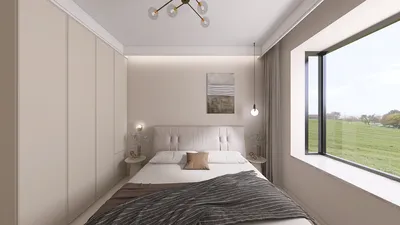


In a past project, I chose a dreamy sky blue for a client's studio but failed to check how it would appear under the apartment's yellow lighting. The result? It looked more like a hospital than a sanctuary. This mishap led me to adopt a straightforward swatch routine and utilize quick digital mockups of the room palette using Homestyler before opening any paint cans.
While small spaces can pose challenges, they also ignite creativity. In this article, I'll share five blue paint colors that I frequently utilize, explaining their appeal along with important trade-offs to consider.
1. Gentle Sky Blue — light and versatile
I adore gentle sky blue for compact living rooms and bedrooms because it creates the illusion of expanded walls and beautifully complements pale wood and rattan finishes. The advantage is an instant sense of airiness, but the downside is that dirt and marks tend to show more easily, so it’s wise to choose washable finishes for areas with heavy foot traffic.
Practical recommendation: test a large swatch near the window and another close to the door, as the natural and artificial light can showcase different tones.
save pin
2. Blue-Gray (Greige-Blue) — serene and contemporary
Blue-gray is a staple in my Scandinavian or minimalist designs. It appears neutral in softer light, revealing its blue hue when exposed to sunlight. While it pairs well with various furniture finishes, it can feel cold, so incorporating warm textiles or wood accents can create a lovely balance.
Cost-saving tip: a single accent pillow or a wooden nightstand can warm the entire room without the need for repainting.
save pin
3. Deep Navy Accent — dramatic yet spacious
Many fear that navy will make a space appear smaller, but when used as an accent wall or ceiling, it contributes depth and warmth without overwhelming the area. I once applied navy behind an open shelving unit, instantly giving the room a curated and layered look.
To visualize the impact, pair a navy wall with brass fixtures and a lighter blue on adjacent walls for a striking contrast, or explore kitchen layout ideas to see how navy can ground cabinetry and countertops effectively.
save pin
4. Teal or Peacock Blue — lively with harmony
Teal exudes vibrancy and is perfect when you desire color without overwhelming brightness. It pairs beautifully with greenery and warm metals. The caution: teal may not harmonize with all wood tones, so it's essential to test it alongside your primary furnishings before making a final decision.
Small example: in a studio, I divided one wall vertically, painting one side teal and the other in off-white; this clever tactic provided a visual distinction without the need for physical partitions.
save pin
5. Two-Tone Blue with White Trim — fresh and refined
One of my favorite practical techniques is utilizing a two-tone approach: applying a mid-blue on the lower wall and a lighter blue or white above. This not only visually elevates ceilings but also conceals wear near the hand level. While it requires more effort to achieve clean lines with tape, the end result feels custom and soothing.
To preview the design, I often create digital renderings using tools like Homestyler to quickly visualize how furniture and lighting will interact with the selected shades of blue, making it easier for indecisive clients to finalize their choices through AI-driven interior ideas.
save pin
Frequently Asked Questions
Q: What’s the best way to choose blue for a small north-facing room?
A: Since north light is cool and constant, opt for warmer blues (blue-gray or teal with warm undertones) to prevent a chilly atmosphere. Test large swatches at various times of the day.
Q: Does dark blue shrink the look of my small room?
A: Not necessarily. When used as an accent or on the ceiling, dark blue can impart depth. Keep adjacent walls light and employ mirrors or glossy trims to reflect light.
Q: Which finish is ideal for painted walls?
A: For enhanced durability, an eggshell or satin finish works well in living areas; semi-gloss is preferable for trims and high-contact regions due to its ease of cleaning.
Q: Is it possible to pair blue with wood tones?
A: Absolutely! Warmer woods like oak and walnut harmonize with cooler blues, while lighter woods such as birch maintain an airy palette. Always test small pairings before committing.
Q: How can I prevent the ‘cold’ blue effect under artificial lighting?
A: Consider warm LED bulbs (2700K–3000K) or layer lamps with warm-toned shades to counter the cool undertones of the paint.
Q: What are the best ways to sample colors effectively?
A: Paint 2–3 large 12x12" swatches on diverse walls and observe them in morning, midday, and evening light. Small sample pots applied with a brush won’t capture the overall effect.
Q: Are there reliable color guides I should refer to?
A: Yes, for empirical insights, consult paint manufacturers like Benjamin Moore; their online color guides and Light Reflectance Value details are incredibly useful (check benjaminmoore.com for specifics).
Q: What is the best way to test layout and color before painting?
A: Utilize virtual room mockups or basic floor planning to arrange furniture and test color blocks; these previews save both time and finances while minimizing repaint regret.
save pin
Homestyler is the ultimate online home design platform for anyone looking to create stunning spaces. With its easy-to-use design tool, impressive 3D renderings, and a wealth of DIY video tutorials, you can effortlessly transform your home ideas into reality—perfect for both beginners and seasoned designers!
立即免费设计
































