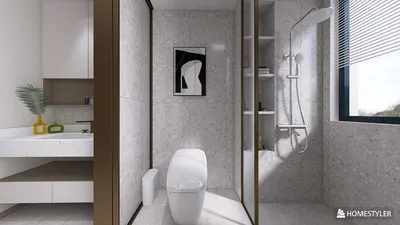


I once transformed an entire guest room using a stunning ‘pure white’ shade, only to discover at midnight that it appeared buttery yellow under the lamps — what a rookie mistake. This experience taught me to rely more on daylight and undertones, and to conduct real-life tests for designing small areas. In small spaces, the emphasis should be on making smart and effective color choices, and the use of whites can make or break the atmosphere in tiny rooms.
1. Benjamin Moore Chantilly Lace — A crisp classic
I often choose Chantilly Lace when clients desire a bright, modern backdrop that remains fresh without feeling clinical. In most natural light, it appears quite neutral, making it ideal for open-concept living areas and art galleries. However, it’s worth noting that in very warm lighting, it may appear slightly cool, so pairing it with warm wood or soft textiles can create a nice balance.
2. Sherwin-Williams Alabaster — Soft and welcoming
When homeowners seek a cozy white, Alabaster is my top choice. With its gentle warm undertones, it makes bedrooms and living areas feel inviting and lived-in. The only downside is that it may not look completely “pure” in cool or north-facing light, which can actually be a benefit for rooms needing a warmer feel.
save pin
3. Benjamin Moore White Dove — A versatile, low-contrast favorite
White Dove strikes a perfect balance between cool and warm, which makes it adaptable across various lighting conditions and finishes. I frequently recommend it for older homes, where stark contrasts between trim and walls can be undesirable. When testing this shade, it's helpful to paint a large swatch and observe it under both morning and evening light; this practice saves both time and resources. For those who prefer visualizing layouts prior to painting, utilizing tools like Homestyler can assist in determining how whites will interact with light and shadows.
save pin
4. Farrow & Ball All White — Subtle sophistication
All White presents a minimalist option with virtually no undertones. It looks elegant on moldings and in modern kitchens, but it comes with a higher price tag. One challenge is its neutrality; therefore, careful selection of textures and finishes is crucial to prevent a flat appearance.
save pin
5. Behr Ultra Pure White — A bright, budget-friendly alternative
Ultra Pure White is vibrant and extraordinarily bright — making it perfect for contemporary trims and spaces requiring maximum reflectivity. However, it can be quite stark against natural woods, so I suggest pairing it with softer whites on walls or warmer accents. For those wanting to visualize a realistic finished look, I often use design software to create accurate renderings of key areas, ensuring clients know what to expect regarding the final hue.
save pin
FAQ
Q: Which white paint offers the most versatility for any room?
A: White Dove is frequently the safest choice — it balances both cool and warm undertones, adapting well to various lighting conditions. Nonetheless, testing on-site is advisable for confirmation.
Q: How should I select white paint for a small room?
A: Opt for a slightly warm white to steer clear of a sterile appearance, and choose matte or eggshell finishes to help conceal imperfections. Additionally, it’s wise to paint a large sample and observe it over a full day to note how the light changes.
Q: Does white paint yellow over time?
A: Certain whites, especially alkyd-based paints or those used in kitchens where grease builds up, can yellow. According to Benjamin Moore's advice, modern acrylic latex paints tend to resist yellowing more effectively than older oil-based options (see their paint care guidelines).
Q: What sheen is optimal for white walls?
A: Eggshell or matte finishes cover wall imperfections while appearing soft in most rooms; satin sheens are easier to clean in high-traffic areas like hallways and children's rooms. For trim, semi-gloss creates a subtle contrast.
Q: Should I use the same white for trim and walls?
A: You certainly can for a seamless effect; however, using a slightly brighter or glossier white for trims can provide additional definition. Sample boards can help in assessing how they work together in your room's lighting.
Q: How many coats of white paint are necessary?
A: Typically, two coats are required with a quality primer underneath; ultra-bright whites or significant color shifts may need a third coat. Primer enhances coverage and ensures true color accuracy.
Q: Are higher-end white paints always superior?
A: Premium paints generally contain richer pigments and offer better coverage, leading to fewer required coats. However, excellent budget whites are available too. If working on a larger area with constraints, consider a reputable mid-range brand.
Q: Any quick tips to prevent white paint regrets?
A: Test large paint swatches at various times of the day, consider surrounding materials (like flooring and fabrics), and reflect on the finish; these simple strategies can help avoid most surprises.
save pin
Discover the ease of home design with Homestyler! This user-friendly platform offers a powerful online design tool, stunning 3D renderings, and a wealth of inspiring DIY video tutorials. Bring your creative vision to life with Homestyler—perfect for both beginners and seasoned designers!
Design Now for FREE
































