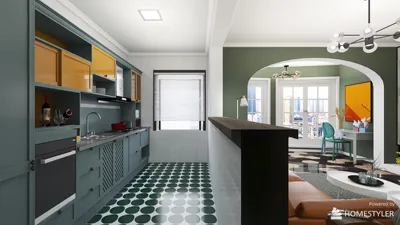


A client once approached me with a request for tile trim that would "make the shower sparkle like a disco ball at midnight." This encounter brought humor, but it also revealed how significant even the simplest edge can be in transforming a space. Seemingly minor selections, like trim, can profoundly influence the ambiance of a bathroom. To capture these ideas, I frequently jot down sketches in my notebook before moving on to layouts. For a quick burst of inspiration, take a look at these intriguing bathroom trim ideas, and see for yourself how they can elevate your design: bathroom trim examples.
1. Polished Metal Edge (Brass or Stainless)
I am a fan of metal edge trim due to the instant polish it provides—brass introduces warmth to white marble, while stainless steel offers a modern and sleek aesthetic. It's durable and hides cut imperfections effectively, although it tends to be on the pricier side and requires meticulous alignment for seamless joints.
Helpful hint: test a small sample next to your grout to ensure that the metal tone complements your fixtures harmoniously.
save pin
2. Pencil Borders and Thin Accent Strips
Pencil tiles are my preferred choice for achieving a delicate frame without overwhelming the space. They provide definition around niches and vanities and are budget-friendly, although grout lines may become more prominent over time.
Budget tip: opt for a neutral pencil trim to ensure durability; a trendy color can be appealing but may quickly date your aesthetic.
save pin
3. L-Profile or Schluter Edge for Clean Lines
For a minimalist aesthetic, I often recommend an L-profile, such as Schluter, which safeguards edges while achieving a neat finish. This option is favored by contractors due to its straightforward installation, yet precision in tile cuts is essential for flawless results.
To ensure your tile sizing aligns well with the trim, I often draft a layout and measure it several times—preparation is key to avoiding surprises during installation. I occasionally sketch the layout and measure tiles before placing any orders: measure and map tiles.
save pin
4. Mosaic Inset or Picture-Frame Detail
Incorporating a mosaic strip as trim or utilizing a picture-frame detail around a focal wall can be both playful and luxurious. It's a wonderful way to make a bold statement while avoiding the expense of full-wall mosaics; just be prepared for the patience required to match patterns and grout colors.
Installation tip: ensure mosaics are centered on key sightlines so that the design appears intentional rather than haphazard.
save pin
5. Wood-Look Porcelain or Reclaimed Wood Accent Trim
Looking for warmth without the upkeep? I frequently use wood-look porcelain or even sealed reclaimed wood as trim to soften the edges of tiles. This style complements neutral tiles beautifully; however, it’s crucial to avoid using real wood near wet areas unless it’s properly sealed.
Pro tip: install wood-look trim at vanity kick spaces or just outside shower thresholds—these areas add warmth without constant moisture exposure. If you want to visualize your options, you might find it helpful to use tools like Homestyler to see tile patterns in 3D.
save pin
FAQ
Q1: What is the most durable tile trim?
A: Among the most durable options are metal trims, specifically stainless steel and anodized aluminum, known for their chip resistance. These are ideal for high-traffic bathrooms and commercial environments.
Q2: Can I use wood trim in a shower?
A: Real wood poses a risk in active wet zones unless specifically treated and sealed; wood-look porcelain serves as a safer, low-maintenance substitute that provides the desired aesthetic.
Q3: How do I match grout color to tile trim?
A: Evaluate grout samples against both tile and trim under varying lighting conditions; small samples can highlight how undertones shift from day to night, aiding in a cohesive selection.
Q4: Are L-profiles hard to install?
A: They are user-friendly for contractors but necessitate precise tile cuts and level reference lines for a clean finish; I recommend enlisting a skilled tile setter for impeccable installation.
Q5: Do trims increase costs significantly?
A: Some trims, like polished metal, do incur additional costs, yet pencil borders and porcelain accents can be very budget-friendly; include trim costs early in your material budget to prevent unexpected expenses.
Q6: What trim is best for small bathrooms?
A: Slim pencil borders or subtle metal edges can help define space without making it feel cramped; I often choose thin accents to introduce a touch of luxury in compact layouts.
Q7: How do I care for metal trim?
A: Regular mild cleaning and avoiding abrasive pads keep metal trims looking bright; for brass, a gentle polish maintains its warm finish while protecting its coatings.
Q8: Where can I find installation standards for tile edges?
A: The National Tile Contractors Association offers authoritative guidance, best practices, and technical information—check out their resources at https://www.tile-assn.com/ for reliable installation standards.
save pin
Homestyler is your go-to online home design platform, perfect for transforming your ideas into reality. With an easy-to-use design tool, stunning 3D renderings, and a wealth of DIY video tutorials, you'll find inspiration and guidance every step of the way. Start creating your dream space today!
Diseño ahora GRATIS
































