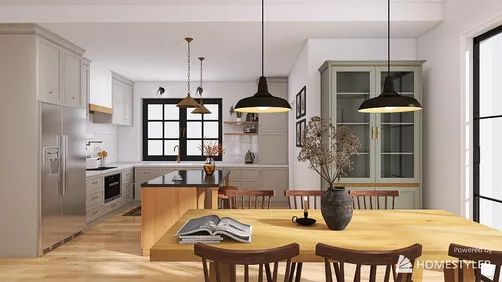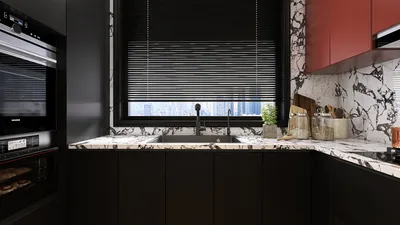


I once suggested a stunning matte white paint for a client's bathroom, only to discover tiny black specks emerging a month later — mold had made an unwelcome appearance. Small bathrooms quickly teach you a lesson in humility, emphasizing how the right paint can either enhance or severely affect a damp ceiling. In this article, I'll outline five dependable paint solutions I've utilized in actual renovations to maintain clean, long-lasting, and surprisingly stylish bathroom ceilings even in humid conditions, thanks to tools like Homestyler for visualization.
1. 100% Acrylic Semi-Gloss Paint
I often use 100% acrylic semi-gloss paint on ceilings that experience moderate steam. This option effectively sheds moisture and is easy to wipe clean. Its durability and mildew resistance make it superior to flat paints while adding a subtle sheen that brightens the space. However, be aware that semi-gloss finishes tend to highlight imperfections more, so proper surface preparation through sanding and priming is essential.
save pin
2. Mold-Resistant Bathroom Paint
For bathrooms with inadequate ventilation, I recommend mold-resistant paint that includes antimicrobial agents. This is especially beneficial in rental properties or older homes where moisture retention is common. Although this option might be on the pricier side, always adhere to the manufacturer's instructions for optimal results; it cannot replace necessary interventions like fixing leaks or improving ventilation.
save pin
3. Satin Finish with Mildew Inhibitor
The satin finish strikes a perfect balance between gloss and opacity — it effectively conceals minor flaws better than semi-gloss while allowing for easy cleaning. Many satin bathroom paints are formulated with mildew inhibitors. I frequently use this finish in guest bathrooms as it is both appealing and forgiving, making touch-ups simpler. Its main drawback is slightly reduced scrubbability compared to semi-gloss.
save pin
4. Elastomeric/Waterproofing Coating for Problem Ceilings
For ceilings showing signs of previous water damage or persistent condensation, I sometimes apply a thin elastomeric or waterproof coating prior to painting. This seals hairline cracks and prevents moisture penetration, providing a solid base for additional coats. This method is more labor-intensive and costly, so I reserve it for chronic issues rather than routine projects.
save pin
5. High-Quality Primer + Breathable Topcoat
Sometimes, the most effective strategy is pairing a stain-blocking primer with a breathable, high-quality topcoat. The primer effectively locks in stains and any traces of smoke or mold, while the breathable topcoat allows trapped moisture to escape slowly without causing flaking. This combination is cost-effective and adaptable across various bathroom styles, though it requires careful product selection and application.
save pin
Practical Tips from My Projects
Use heat-resistant and mildew-rated products in saunas or steam rooms, and always prioritize addressing ventilation — an effective fan trumps expensive paint any day. To quickly visualize layout changes while considering ventilation improvements or increasing ceiling height, I frequently recommend utilizing Homestyler’s 3D floor planner to explore options before settling on decisions.
save pin
FAQ
Q: What sheen level is best for a bathroom ceiling?
A: Semi-gloss and satin finishes are ideal for moisture resistance and cleanability. While flat finishes camouflage imperfections, they can absorb moisture and stain more readily.
Q: Does paint alone prevent mold?
A: No — effective mold prevention relies on good ventilation, lower humidity levels, and repairing leaks. Although mold-resistant paint offers some protection, it is not a complete solution.
Q: How should I prepare a previously moldy ceiling?
A: Start by cleaning with a mildew cleaner or diluted bleach, allow the area to dry completely, then apply a stain-blocking primer followed by mildew-resistant paint.
Q: Are specialty primers necessary?
A: When dealing with stains, water damage, or smoke, using a stain-blocking primer is crucial. This ensures better adhesion of the topcoat and preserves its long-term appearance.
Q: Can I use regular interior paint in a bathroom?
A: While it's possible, regular paint typically lacks moisture-resistant properties and mildew inhibitors. It’s wise to opt for bathroom-rated products for optimal results.
Q: How often should I repaint a steamy bathroom ceiling?
A: Typically, every 5–7 years is recommended, or sooner if you notice peeling, staining, or mold. Proper ventilation can significantly extend these intervals.
Q: Where can I preview layout or design changes before repainting?
A: For planning upgrades to ventilation or redesigns, a free floor planner like Homestyler can effectively visualize the space and various options.
Q: Which authoritative source discusses paint and moisture best practices?
A: The U.S. Environmental Protection Agency offers guidance on mold prevention and moisture management: https://www.epa.gov/mold.
save pin
What began as an Autodesk innovation has evolved into a design platform used by more than 20+ million users around the globe. Homestyler combines powerful rendering, an intuitive editor, and a vast furniture library to help you turn inspiration into photorealistic designs — whether you're redesigning a single room or planning an entire home.
Homestyler is your go-to online home design platform! With its user-friendly design tool, stunning 3D renderings, and a wealth of design projects and DIY video tutorials, you can effortlessly create and visualize your dream spaces. Transform your ideas into reality today!
Design Now for FREE