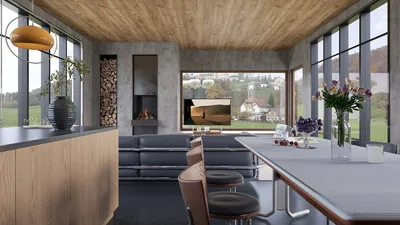


A client once requested that I adorn their compact studio walls with alternating neon stripes, claiming it would evoke a nightclub ambiance. I was nearly on board with the idea, but then I designed a more subdued concept that preserved the lively spirit without overwhelming the senses. Even the smallest areas can inspire grand ideas, and having comprehensive room layouts from the start allows me to experiment with color arrangements before applying any paint, especially when utilizing tools like Homestyler.
1. Enhance Space with Thoughtful Neutral Tones
I frequently suggest warm neutral shades that amplify light and create a sense of elongated space; these colors are versatile and easily adapt to changes in decor without necessitating a fresh coat of paint. However, care must be taken to steer clear of a monotonous look, so I often incorporate various textures and warm undertones to bring depth to the design.
save pin
2. Define Areas with Color Blocking
In open-concept living areas, I employ color blocking techniques to delineate spaces, such as a serene green behind the bed or a soft gray in the living area. This cost-effective method visually separates areas, though it does require some experimentation to ensure a cohesive look across different lighting situations.
save pin
3. Create the Illusion of Height with Vertical Stripes and Accent Ceilings
Using vertical stripes can enhance the perception of ceiling height, while an accent ceiling can provide depth without cluttering the walls. I often select colors for kitchen backsplashes that harmonize with the rest of the apartment, particularly when utilizing Homestyler for innovative kitchen layouts, ensuring painted areas complement cabinetry and workflow—though this requires meticulous application of painter’s tape.
save pin
4. Adding Texture with Finishes and Techniques
The choice of sheen—matte, eggshell, or satin—significantly impacts how a color is perceived and its durability. I advocate for eggshell finishes in living spaces and satin for trims and kitchens; unique faux finishes or subtle limewash techniques can add character, though they demand more time and expertise to execute properly.
save pin
5. Small Touches, Major Results: Doors, Trim, and Little Nooks
Applying a bold color to a door, window trim, or a modest nook can create maximum impact with minimal effort and expense. It's a cost-effective and reversible choice, and when envisioning the effects, I often utilize 3D visuals from Homestyler to assess sightlines—I just ensure to test first with removable samples to avoid overdoing it.
save pin
FAQ
Q: What sheen is recommended for apartment walls?
A: I generally prefer eggshell or matte finishes for living areas because they conceal imperfections well. Kitchens and bathrooms, however, benefit from a satin finish that facilitates easier cleaning.
Q: What’s the best way to select a paint color for a small space?
A: Begin by considering the amount of natural light available; warmer neutrals can make a snug room feel larger, while cool hues lend an airy vibe. It’s advisable to test larger samples in various lighting conditions before making a decision.
Q: Is it possible to paint over wallpaper?
A: In most cases, it’s better to remove old wallpaper, as painting over it can lead to peeling or texture visibility. If removal isn’t an option, a primer-sealer designed for this purpose should be used.
Q: How long should I wait between painting coats?
A: Latex paints usually dry to the touch within 1 to 2 hours, but it's best to adhere to the manufacturer's recommendations and wait 4 hours or more for optimal adhesion and finish.
Q: What’s an economical painting strategy?
A: Consider painting just one wall or the ceiling in an accent color—this can alter the atmosphere of the room without the time or financial investment required for a full repaint.
Q: How can I minimize paint fumes in an apartment?
A: Ensure ample ventilation by opening windows and utilizing fans; opting for low-VOC or zero-VOC paints can also be beneficial. For comprehensive indoor air quality advice, refer to the EPA’s guidelines on ventilation.
Q: Should I hire a professional for painting trim and doors?
A: Hiring a professional can be worthwhile for clean lines and quick turnaround; however, patient DIY enthusiasts can achieve fantastic results using quality tape, good brushes, and a steady hand.
Q: How many paint samples should I try before committing?
A: It’s best to sample at least three options on different walls and observe them throughout the day, as minor undertone changes can appear vastly different as lighting changes.
save pin
Looking to transform your home? Homestyler is your go-to online design platform! With its user-friendly design tool, stunning 3D renderings, and a wealth of design projects and video tutorials, you can effortlessly create your dream space. Dive in and start designing today!
立即免费设计
































