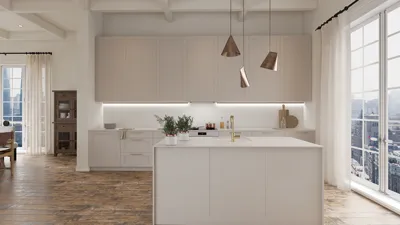


I once almost painted an entire studio black after a client requested a "dramatic surprise". This experience taught me that creating drama requires careful planning rather than just enthusiasm. In smaller spaces, design choices become crucial, and the color of a single wall can completely transform a cramped area into a vibrant and lively room. If you're interested in visualizing the ideas I conceptualized for that project, here’s a curated collection of my top accent wall inspirations that truly work in real living environments, which can be showcased using a tool like Homestyler.
1. The Vertical Stripe — Enhancing Height and Serenity
Vertical stripes are my preferred choice when clients seek to create an illusion of height without any extensive renovation. Using two complementary tones (a soft neutral paired with a darker shade) can stretch the visual perception upwards, making ceilings appear higher. This technique is cost-effective and quick, and even if your lines aren’t perfect, it’s fairly forgiving — just remember to tape carefully and be patient for that second coat.
2. Textured Plaster Accent — Inducing Subtle Depth in Limited Spaces
Applying a delicate layer of tinted Venetian or matte plaster adds a soft, luxurious texture that doesn’t demand attention. It masks minor wall imperfections and interacts beautifully with warm lighting. However, this option is generally more expensive than traditional paint and requires a bit more skill for a flawless finish. I utilized this technique in a compact bedroom, and the result felt like a significant upgrade for the entire apartment.
3. Two-Tone Half Wall — Contemporary, Practical, and Child-Friendly
Opting for a darker, washable hue on the lower half of the wall combined with a lighter shade above is a stylish compromise for busy households. This approach protects walls from scuffs, grounds furniture, and adds structure to the space without being overly committal. The challenge lies in selecting the appropriate height for the split, which I often base on the furniture rather than arbitrary guidelines.
4. Geometric Mural — Striking with a Measured Method
Geometric designs can appear either distinctly modern or playful depending on the scale and color scheme chosen. I suggest beginning with a single corner or a slim strip behind a bed or couch so that the pattern serves as an accent rather than overwhelming the entire room. If permanence concerns you, consider removable tape patterns or consulting a local artist to create a mock-up in a smaller section initially; this guarantees a rewarding investment when executed correctly.
5. Dark Mocha Backdrop — Inviting and Cinematic
Rich, warm tones (like mocha, deep olive, or charcoal with brown undertones) can make small rooms feel warm and purposeful. They harmonize beautifully with brass fixtures and wooden elements; however, they do tend to show dust more easily and require contrast elsewhere — often, I’ll include an accent lamp or artwork to brighten the scene. In kitchens, I sometimes propose a dark accent wall behind open shelving to anchor the area, creatively turning ordinary items into decorative displays.
Quick budget tip: One premium feature wall outshines painting every wall with less expensive paint. If you need assistance envisioning the layout in 3D before finalizing your choices, I frequently utilize tools to simulate materials and lighting for my clients.
FAQ
Q: What is the simplest accent wall technique for novices?
A: Begin with a single-color accent wall and use painter’s tape for clean edges. This method is low-cost, reversible, and provides immediate impact without complications.
Q: How do I select the right color for a limited space?
A: Think about the room’s natural lighting — warmer tones are suitable for north-facing rooms, while brighter south-facing rooms can accommodate cooler or more saturated colors. It's advisable to test two to three swatches on various walls at different times throughout the day before making a commitment.
Q: Are dark accent walls appropriate for small spaces?
A: Absolutely, provided you balance them with lighter furniture and layered lighting; dark walls can add depth and drama but require a thoughtful contrast to avoid a cave-like atmosphere.
Q: Can I apply a textured plaster finish on my own?
A: Basic textures are manageable for DIY enthusiasts, but for Venetian plaster or intricate finishes, it's wise to enlist professionals to prevent uneven sheens and long-term cracking. Be prepared for higher material and labor costs compared to standard paint.
Q: How much paint is necessary for an accent wall?
A: Calculate the wall area (width times height) and check the paint can for coverage specifications — most paints cover approximately 350–400 square feet per gallon. Always purchase a little extra for touch-ups and additional coats.
Q: What finishes are most suitable for accent walls?
A: Matte or eggshell finishes conceal imperfections and impart a modern feel, while satin or semi-gloss finishes provide washability in high-traffic regions. For achieving a polished appearance, align the finish with the intended function: use higher sheen where durability is required.
Q: Where can I discover inspiration and realistic previews?
A: I often gather references from professional renderings and case studies; for photorealistic previews and design inspiration, online tools like galleries and platforms such as Homestyler are extremely beneficial.
Q: Are there high-quality paint suggestions available?
A: Certainly — for quality pigments and durability, many professionals rely on manufacturers like Sherwin-Williams and Benjamin Moore for reliable technical information and color selection tools.
Discover your dream space with Homestyler! This intuitive online home design platform offers powerful design tools, stunning 3D renderings, and a wealth of design projects and video tutorials. Whether you're a beginner or a seasoned DIYer, Homestyler makes transforming your home a breeze.
Design Now for FREE
































