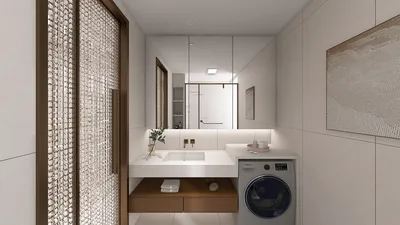


In my more than a decade as an interior designer, I've witnessed the enduring charm of traditional living rooms, which consistently resonate with homeowners. The blend of comfort and elegance makes them a timeless choice. I firmly believe that even compact spaces can inspire immense creativity, especially when infused with classic décor elements. This article presents ten traditional living room ideas based on my extensive experience and reliable design data, helping you create a welcoming and timeless atmosphere in your home using tools like Homestyler.
1. Ornate Crown Molding
My Perspective: Incorporating intricate crown molding was one of the easiest transformations I made for a client's ceiling, turning it into a defining feature of the room. The delicate elegance added an instant high-end touch.
Advantages: Enhances the room's architectural details; complements searches for "traditional living room with ornate crown molding"; delivers a sense of craftsmanship that buyers value. The National Association of Home Builders notes that classic trim influences perceived property value.
Disadvantages: Installation might be complicated in older homes with uneven ceilings; custom profiles could be costly.
Advice: Opt for pre-painted molding to save time and reduce cleanup. I once paired it with warm-toned wall paneling, achieving a harmonious effect that balanced the elaborate ceiling.
2. Fireplaces as a Focal Point
My Insight: In one of my apartment projects, an original marble fireplace became the living room's centerpiece, naturally drawing the attention of guests.
Benefits: Provides warmth, both visually and physically; seamlessly includes keywords like "traditional living room with fireplace centerpiece"; allows for seasonal decor changes.
Drawbacks: Non-functional fireplaces require decorative elements to appear useful; revitalizing marble and stone can be expensive.
Advice: If a real fire isn't an option, ornate mantels can beautifully frame your seating area.
3. Rich Wooden Furniture
My Memory: I often recall my grandmother's walnut coffee table — it stood the test of time while remaining the room's visual anchor.
Pros: Known for durability and timeless appeal; phrases like "traditional living room with dark wood furniture" resonate with those who love heritage; complements a range of upholstery.
Cons: Bulky pieces can overwhelm smaller rooms; regular polishing and maintenance are essential to avoid a dated appearance.
4. Antique Rugs with Character
My Experience: A Persian rug I sourced for a client tied together differing seating with its intricate design and warm hues.
Advantages: Introduces pattern and history; supports phrases like "traditional living room with Persian rug"; can conceal minor flooring imperfections.
Disadvantages: Genuine antiques can be pricey and require specialized cleaning; some patterns may overwhelm in compact spaces.
Tip: Consider vintage-inspired machine-woven rugs for similar aesthetics without the significant expense.
5. Layered Window Treatments
My Approach: I frequently blend sheer curtains with heavier drapes — this allows for light modulation while preserving a lush, traditional feel.
Pros: Enhances privacy and insulation; works well for keywords like "traditional living room with layered drapery"; adds depth to the wall.
Cons: Too many layers might clutter a small room; demands more cleaning to prevent dust accumulation.
6. Wall Paneling and Wainscoting
My Discovery: A townhouse project demonstrated the transformative effect of wainscoting — it immediately elevated the sophistication of plain walls.
Benefits: Adds texture and historical context; aligns with searches for "traditional living room with wall paneling"; protects walls from wear and tear. According to the American Institute of Architects, paneling has been a staple in formal rooms for centuries.
Drawbacks: Custom woodwork can be expensive; it may reduce usable wall space in narrower areas.
Advice: For a contemporary flair, paint the paneling a contrasting muted tint. This approach worked exceptionally well when I paired it with symmetrically arranged furniture that echoed the panel lines.
7. Classic Color Palettes
My Opinion: Shades like ivory and taupe, combined with deep navy or emerald, consistently evoke tranquil elegance.
Advantages: Versatile and enduring; fits searches for "traditional living room neutral color palette"; simplifies seasonal styling.
Cons: May come off as predictable; requires layering of textures to avoid appearing flat.
8. Statement Chandeliers
My Insight: I once found a stunning crystal chandelier for a small city apartment that immediately elevated the area while keeping it spacious.
Benefits: Introduces vertical drama; supports phrases like "traditional living room with crystal chandelier"; serves as both lighting and decor.
Challenges: Requires regular cleaning; some fixtures can dominate if proportions aren’t appropriately considered.
9. Symmetrical Furniture Arrangement
My Take: Symmetry creates a calming ambiance — placing two identical armchairs opposite a sofa instills balance in the room.
Pros: Visually appealing and straightforward to navigate; relates to "traditional living room symmetrical layout"; perfect for formal gatherings.
Cons: May seem too structured; might not suit families that prefer a relaxed flow.
Tip: In one design, I paired the layout with a color-coordinated dining area to maintain a cohesive feel.
10. Decorative Ceiling Medallions
My Idea: They serve as architectural jewelry for your ceiling — in a historic home, a simple medallion beautifully connected the chandelier and molding.
Pros: Adds an affordable architectural accent; matches searches for "traditional living room with ceiling medallion"; simple installation on plaster or lightweight resin is feasible.
Cons: Ornate designs might clash with minimalistic elements; placement requires alignment with light fixtures for best effect.
Conclusion
A compact traditional living room does not translate to fewer possibilities — rather, it calls for smarter and more deliberate decisions. As reported by Houzz's design trends, classic elements remain a top choice for establishing inviting and warm environments. So, which of these traditional living room concepts do you want to try with the help of Homestyler?
FAQ
Q1: How can I make a small traditional living room appear more spacious?
Incorporate light paint colors, mirrors, and symmetrical layouts to naturally open the space.
Q2: What colors are ideal for a traditional living room?
Neutrals paired with rich accent colors like navy, burgundy, and emerald offer a timeless look that is easy to coordinate.
Q3: Are antique rugs worth investing in?
Certainly, quality rugs retain their value and add character, but vintage-style reproductions are a budget-friendly alternative.
Q4: How do I determine the appropriate chandelier size?
Experts suggest adding the total room dimensions in feet and using that figure in inches for chandelier diameter.
Q5: Do fireplaces enhance a home's value?
As indicated by the National Association of Realtors, fireplaces rank among the most sought-after features and can significantly impact buyer attraction.
Q6: Is it possible to incorporate modern elements into a traditional living room?
Absolutely — merging classic design with contemporary touches keeps the look both fresh and personalized.
Q7: What is the simplest traditional upgrade for renters?
Consider removable peel-and-stick wainscoting or decorative moldings — these can make a significant impact without permanent alterations.
Q8: How vital is symmetry in traditional design?
Symmetry establishes balance and order, quintessential traits of traditional style, but don’t hesitate to deviate occasionally for a relaxed ambiance.
Homestyler is your go-to online home design platform! With its easy-to-use design tool, stunning 3D renderings, and a wealth of DIY video tutorials, you can effortlessly create and visualize your dream space. Transform your ideas into reality with Homestyler today!
Concevez maintenant gratuitement
































