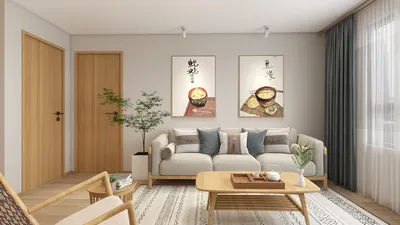


As an interior designer over the last decade, I've observed that neutral color palettes in living rooms remain popular and are actually becoming increasingly adaptable. These soft shades particularly enhance small spaces, as a light, unified hue allows the eyes to rest and creates an illusion of a larger area. In this article, I’ll share ten neutral color living room concepts I’ve implemented in real projects, combining my personal insights with findings from design research. Small areas can indeed inspire grand creativity, often aided by tools such as Homestyler.
Subtle Beige and Textured Layers
My Insight: In a previous project, I revamped a small apartment living room with a gentle beige foundation, layering in materials like linen, boucle, and cotton. This immediately created a warmer and more welcoming atmosphere without overcrowding the space.
Advantages: Soft beige serves as an excellent long-term backdrop for changing decor. It harmonizes well with natural lighting and promotes a calming environment — according to Elle Decor, it remains one of the most classic neutrals for living room designs.
Disadvantages: If texture or varied shades are not incorporated, beige can appear lifeless, potentially leading to a monotonous look.
Suggestion: Combine matte and glossy finishes to prevent the ‘beige box’ effect.
Greige for Versatility
My Insight: A few years ago, I painted my own living room in greige, and it transformed the space. Depending on the lighting, it can showcase warm or cool tones, complementing every piece of artwork in my collection.
Advantages: Greige provides adaptability when pairing warm wooden elements with cooler metallics, making it suitable for transitional spaces.
Disadvantages: In dim lighting, it can appear muddy rather than sophisticated.
Case Study: One client's apartment utilized greige walls paired with minimalist storage and display features, keeping the living area stylish and uncluttered.
Off-White with Dark Accents
My Insight: A perfectly balanced off-white combined with slender black frames or lamps can impart a crisp, contemporary feel to a neutral room. I implemented this style in a 40m² home, creating an ambiance akin to an art gallery minus the chilliness.
Advantages: The high contrast adds elegance to a straightforward palette, instantly enhancing sophistication.
Disadvantages: If not carefully managed, an excess of black can overwhelm the room.
Suggestion: Limit the amount of black accents to about 10–15% of the visual space.
Warm Taupe Walls
My Insight: Warm taupe has often been my preferred choice for clients seeking coziness without darkening their environment. It strikes a perfect balance between grey and brown tones.
Advantages: This shade complements materials such as leather, wood, and woven textures, creating a welcoming locale ideal for relaxation.
Disadvantages: If undertones don’t align, taupe can result in clashes with cooler greys.
Layered Neutrals with Patterns
My Insight: In a recent home renovation, we paired oatmeal sofas with patterned rugs and throws — neutral doesn’t equate to blandness.
Advantages: This approach prevents a sterile atmosphere while still benefiting from light-reflective neutral tones.
Disadvantages: Patterns must be appropriately sized; an overload of small prints can seem chaotic.
Natural Linen Textiles
My Insight: Upholstery made from linen, along with curtains, introduces an organic texture that is both luxurious and approachable. This option has shown longevity in numerous client homes.
Advantages: Breathable and comfortable, linen suits a variety of styles, from rustic to modern minimalism.
Disadvantages: Linen tends to wrinkle easily and may necessitate more maintenance.
Highlight: When paired with wooden accents, it fosters a warm ambiance, lending a timeless charm.
Stone or Concrete Details
My Insight: Incorporating a stone coffee table or concrete planters within a neutral room can add depth and a sense of grounding.
Advantages: Both durable and visually striking, such materials complement cool and warm neutrals alike.
Disadvantages: They can be cumbersome to install or relocate, often requiring professional assistance.
Textured Wall Applications
My Insight: For a townhouse living room, I once opted for a subtle plaster finish. In afternoon light, it bursts with vibrancy.
Advantages: This adds dimension and intrigue without introducing new colors, which is excellent for monochromatic designs.
Disadvantages: It tends to be pricier than flat paint and may be challenging to modify later.
Suggestion: Experiment with a minor accent wall before committing to the entire area.
Layered Lighting in Neutral Spaces
My Insight: Using warm-toned bulbs in various fixtures, such as floor lamps and sconces, can render neutrals luminous and avoid a flat appearance.
Advantages: This lighting complements skin tones and textiles, enhancing coziness in the evenings.
Disadvantages: Incorrectly selected light temperatures can disrupt the color balance.
Case Highlight: Blending soft illumination with L-shaped layouts that maximize countertop space in open-plan homes visually unifies the living and kitchen areas.
Neutral Rugs as Foundation Pieces
My Insight: A substantial wool or jute rug in cream or sand can establish a defined area in the room, providing comfort.
Advantages: These rugs anchor floating furniture and create cohesion in open layouts.
Disadvantages: Light-colored rugs may quickly show dirt, so opting for washable versions is wise.
Conclusion
In conclusion, a neutral color living room isn’t synonymous with dullness — it’s an opportunity for texture, form, and light. In particular, small living spaces thrive under this philosophy, transforming limited square footage into adaptable, elegant areas. As noted by Architectural Digest, neutrals are a designer’s secret for creating timeless interiors. Which of these concepts are you excited to explore for your own home, especially with the help of Homestyler?
Frequently Asked Questions
1. Are neutral colors suitable for compact living rooms? Absolutely — they reflect light, making the area feel more spacious and airy while offering decor flexibility.
2. How can I prevent a neutral space from appearing bland? Layering textures, patterns, or introducing black accents can add depth and visual interest.
3. Which neutral shades are most enduring? Soft beige and greige consistently receive high rankings in design trend analyses (Elle Decor).
4. Can neutral colors complement colorful art? Definitely — they can serve as a gallery-like backdrop for vibrant artworks.
5. Is it costly to design a neutral living room? Not necessarily; often, a simple repaint and textile changes can achieve the desired look.
6. Can neutrals be incorporated into a rental property? Yes — they’re generally acceptable to landlords and easy to blend with temporary decor.
7. What lighting works best for neutral environments? Warm white (around 2700–3000K) ensures the palette remains inviting and true to life.
8. How do I integrate neutrals into an open-plan design? Utilize a cohesive rug and harmonious furniture undertones, considering tools like Homestyler to visualize the flow between different zones.
Looking to transform your space? Homestyler offers an intuitive online design tool that makes home design a breeze! Explore stunning 3D renderings, a plethora of design projects, and informative DIY video tutorials. Create your dream home effortlessly, regardless of your experience level!
今すぐ无料でデザイン
































