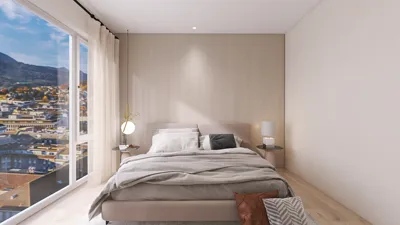


With more than a decade of experience in the field of interior design, I have witnessed the continual rise of the grey-and-taupe color scheme for living rooms. This combination is not only timeless but also creates a calming atmosphere, making even the tiniest spaces appear more elegant when designed appropriately. I've found that small areas often inspire the greatest bursts of design ingenuity. Today, I'm excited to present ten design concepts that blend personal experiences with professional insights, helping you craft a living room that is both stylish and functional using Homestyler.
1. Minimalist Grey Taupe Base
My Perspective: In a recent project, I transformed a city apartment's living area using a palette of three fundamental colors—warm taupe, soft grey, and fresh white accents. The space instantly felt both grounded and airy.
Benefits: A grey-taupe foundation serves as a versatile backdrop for nearly any accent color. As noted by an Elle Decor report, these neutral shades can enhance the perception of space in smaller rooms.
Drawbacks: If not balanced with textural elements, the abundance of neutrals may give off a flat or chilly vibe.
Advice: Incorporate textured cushions and a chunky knit throw to add depth, as seen in a recent minimalist grey living space I designed using Homestyler.
2. Taupe Accent Wall
My Experience: A friend's 25 m² apartment had an awkward alcove, which we transformed by painting it a rich taupe. This decision dramatically enhanced the room’s overall intentionality.
Advantages: An accent wall provides depth and visual intrigue without overly darkening the room.
Disadvantages: In poor lighting conditions, a dark taupe can make corners feel oppressive.
Cost Insight: While high-quality low-VOC paints may come at a premium, they are often more durable and have less odor.
3. Grey Modular Sofa
My Discoveries: I enjoy selecting a light-grey modular sofa that can be rearranged, making it an ideal choice for renters and compact apartments.
Pros: Offers a flexible layout, and the color is great for concealing minor stains compared to stark white.
Cons: It can appear bulky without the right pairings, such as slender coffee tables.
4. Layered Textiles in Natural Fibers
My Insight: In a past project, I combined taupe linen curtains with a grey wool rug—this pairing was cozy, timeless, and perfect for any season.
Benefits: It introduces tactile warmth that enhances the sensory experience within the space.
Drawbacks: Linen can crease easily, and wool may require specialized care.
5. Glass Coffee Table for Lightness
My Preference: I frequently use a frameless glass coffee table in front of a robust sofa, helping to maintain an airy ambiance within the room.
Advantages: It allows the flooring to be visible, creating an illusion of spaciousness in smaller areas.
Disadvantages: Glass surfaces can quickly accumulate fingerprints and smudges.
6. Warm Metal Accents
My Approach: Combining taupe walls with brass accents—such as frames or lamps—adds a luxurious undertone that enhances the space.
Benefits: This mix adds both visual warmth and contrast, complemented by the cooler grey tones.
Cons: An overabundance of metal might create an overwhelming effect.
7. L-Shaped Furniture Zoning
My Insight: While working on a compact loft, an L-shaped sofa became the perfect solution for delineating the lounge area from the dining space.
Advantages: It cleverly divides spaces while offering ample seating. According to studies on small areas, such layouts can enhance the perception of space.
Cons: It may restrict flexibility if you're someone who enjoys frequent changes to the layout.
Discover how an L-shaped arrangement frees up more functional space in multi-purpose areas using tools like Homestyler.
8. Wood Elements for Warmth
My Perspective: In one grey-and-taupe condo project, incorporating oak shelves and a walnut coffee table softened the overall modern aesthetic immensely.
Pros: This contrast balances the cool neutrality of grey with inviting textures.
Cons: Wooden elements necessitate maintenance to prevent scratches or drying out.
9. Built-in Storage Solutions
My Take: Custom built-ins painted in the same grey as the walls cleverly disguise clutter and contribute to a seamless look.
Benefits: They optimize space efficiency while fostering visual tranquility.
Cons: Bespoke structures can be costly and may lack mobility.
Example: Examine the intelligent use of integrated storage in a small apartment I designed last year with Homestyler.
10. Statement Lighting in Soft Tones
My Experience: A large taupe fabric pendant hanging above the coffee table transformed a previously dull space into a warm gathering spot.
Advantages: It boosts both functionality and aesthetics while setting the desired mood.
Cons: Careful proportioning is essential; an oversized fixture can overpower the room.
Summary
Grey and taupe living rooms demonstrate that compact spaces can foster innovative design, rather than hinder creativity. As highlighted by Architectural Digest, achieving the right blend of light, textures, and proportions can make any neutral palette dynamic. Which of these concepts will you implement first using Homestyler?
FAQ
1. Why opt for a grey and taupe living room palette?
It offers a timeless and flexible option that complements both contemporary and classic interiors, and it harmonizes well in smaller spaces.
2. What accent colors pair effectively with grey and taupe?
Warm blush, deep navy, and muted green blend beautifully with these neutrals without overwhelming them.
3. How can I warm up a grey living room?
Incorporate taupe hues, wooden textures, and warm lighting to create a cozier atmosphere.
4. Is grey and taupe an appropriate choice for small living rooms?
Absolutely—lighter to mid-shades keep spaces open while mixing in rich textures.
5. What flooring is most compatible with this palette?
Light oak, herringbone wood, or warm-toned tiles maintain the required balance.
6. Should my furniture match the wall color?
Not necessarily—varying tones adds depth, but staying within the grey-taupe spectrum ensures cohesion.
7. How can I prevent a flat appearance in a neutral room?
Experiment with textures, contrast, and layered lighting. Explore the multi-texture method in modern neutrals for ideas.
8. Are grey and taupe trends sustainable long-term?
A 2023 report from Houzz indicates that neutral color schemes are set to remain a primary choice for homeowners for at least the upcoming five years.
Homestyler is an exceptional online home design platform perfect for transforming your living space. With its user-friendly design tool, stunning 3D renderings, diverse design projects, and helpful video tutorials, you can easily create and visualize your dream home, regardless of your experience level.
Zaprojektuj teraz za darmo
































