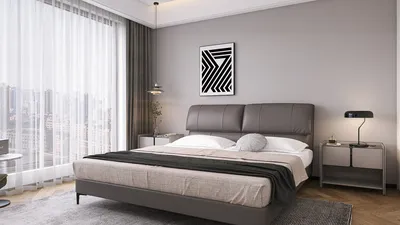


In recent years, I've observed an intriguing trend in interior design: the resurgence of muted colors accentuated by vibrant hues. A combination of grey and purple stands out as particularly timeless yet contemporary. Drawing from my extensive experience in transforming small living rooms, I can assert that compact areas often yield the most innovative ideas. In this article, I will share 10 creative living room concepts that incorporate grey and purple, merging both my personal insights and established design principles.
1. Minimalist Grey Foundation With Purple Highlights
My Experience: I once designed a compact apartment of 20㎡, featuring soft dove grey walls complemented by deep plum cushions, which dramatically shifted the room's ambiance. The minimalist aesthetic ensured the space felt airy and open.
Advantages: This design is straightforward to achieve without extensive renovations; the neutral grey serves as an ideal backdrop for bold purple accents. According to the 2023 Color Report from Houzz, this approach is perfect for smaller areas.
Disadvantages: If purple accents are overused, they can overshadow the room's overall mood and may feel overly dense in spaces lacking natural light.
2. Two-Tone Wall Painting
My Experience: A client desired dramatic flair without darkening the entire room, so we utilized light grey for the upper wall section and a rich amethyst for the lower. This division visually elongated the space.
Advantages: Introduces visual intrigue without overwhelming the area; it's both cost-effective and suitable for beginners.
Disadvantages: Precise color selection and straight lines are essential; otherwise, the result could appear unrefined.
3. Eye-Catching Sofa in Regal Purple
My Experience: This element became a talking point in a recent project. By keeping the walls and flooring grey, the royal purple velvet sofa became the focal point—offering durability as well.
Advantages: This sofa serves as a standout piece; it can be styled seasonally with various throws and cushions. The contrast of bold purple against neutral grey exudes luxury.
Disadvantages: This is a larger financial commitment; if purple loses its charm, recovering the sofa can be expensive.
In a studio project, I optimized the layout with minimalist grey and purple furniture positioning to maximize the limited square footage.
4. Textured Layers in Grey and Lilac Tones
My Experience: I enjoy blending various materials—think of a grey wool rug paired with light purple linen drapes and charcoal tweed cushions. This combination enriches the monochromatic palette, making it more appealing to the touch.
Advantages: Adds dimensionality to a concise color palette; refreshing the look is easy by swapping out fabrics. It's particularly effective in Scandinavian-themed interiors.
Disadvantages: Too many competing textures can lead to a cluttered appearance.
5. Glamorous Metallic Highlights
My Experience: Incorporating silver or chrome fixtures into a grey and purple living room instantly elevates its visual appeal. In one design, mirrored coffee tables beautifully reflected light.
Advantages: Boosts brightness and creates a modern, luxurious aesthetic. As noted by Architectural Digest, reflective surfaces can create the illusion of more space.
Disadvantages: They easily display fingerprints and dust; excessive shine might result in a cold atmosphere.
6. Purple Artwork Against Grey Walls
My Experience: This is one of the most budget-friendly transformations I've encountered. A series of violet abstract prints above a grey sofa creates the illusion of a curated gallery wall.
Advantages: Easily adaptable to current trends or personal moods; encourages upward visual movement, enhancing vertical space.
Disadvantages: Requires good lighting to effectively showcase art; inconsistent artwork sizes can disrupt visual harmony.
During a loft redesign, we utilized AI-enhanced living room layout planning to experiment with various gallery configurations before finalizing our choices.
7. Grey Walls Coupled with a Mauve Accent Chair
My Experience: A single mauve accent chair can provide a touch of softness to a stark modern grey interior, making it perfect for a cozy reading corner.
Advantages: An economical choice that is portable and can fit into different rooms. It offers warmth through the introduction of a gentle color.
Disadvantages: A lighter fabric may wear out and stain quickly.
8. Open Shelving Featuring Purple Decor
My Experience: I designed open shelves in grey oak, styled with lilac vases, plum books, and silver frames—simple yet striking.
Advantages: Combines functional storage with decorative elements, allowing personal taste to shine. Ideal for renters, as shelves can be relocated or replaced with ease.
Disadvantages: Needs regular upkeep to prevent dust buildup; overcrowded shelves can appear messy.
9. Ombre Curtains Transitioning from Grey to Purple
My Experience: Ombre curtains that transition from grey at the top to deep purple at the bottom present an elegant gradient effect.
Advantages: Visually elongates walls and softens incoming light.
Disadvantages: Matching them with patterned rugs or furniture can be challenging.
I once combined this drapery design with 3D visual mockups to provide the client with a preview before making a purchase decision.
10. Purple Rug as a Grounding Element
My Experience: In a neutral grey living room, a large purple rug could anchor the space and create a warm, inviting atmosphere underfoot.
Advantages: Clearly defines seating areas while infusing a splash of color without overwhelming the decor.
Disadvantages: Requires careful maintenance, especially with lighter purples; bold rugs can complicate future redecorating efforts.
Conclusion
When working with grey and purple in living rooms, balance is crucial—these colors should enhance one another, not compete. Even a compact area can inspire diverse design choices, prompting you to think creatively, layer textures, and choose standout pieces with intent. As noted by Elle Decor, harmonious color schemes can transform even the smallest rooms into curated spaces. Which of these 10 ideas would you consider implementing in your own home?
FAQ
1. Is grey and purple an effective color scheme for a small living room?
Absolutely. Grey maintains an open and airy feel, while purple infuses character into the space. This combination is especially successful when using accents wisely instead of large swathes of color.
2. What shade of purple pairs best with grey walls?
Soft lilacs and mauves lend an airy quality to smaller spaces, while darker plum and aubergine hues offer elegance in larger, well-lit areas.
3. How can I warm up a grey and purple living room?
Incorporate warm neutrals like beige or taupe, add wooden textures, and utilize abundant soft lighting.
4. Can I combine various purples within one room?
Certainly. As long as the purples share a similar undertone, mixing shades like lavender and eggplant can enhance depth without clashing.
5. Should I opt for a purple sofa or painted purple walls?
For versatility, a purple sofa is simpler to replace than wall paint. Grey walls offer more long-term adaptability.
6. What textures complement grey and purple?
Textures like velvet, wool, brushed cotton, and metallic finishes can enrich this color palette's overall appearance.
7. How does lighting impact the look of grey and purple?
Indeed, natural light can make purples appear more vibrant, while warm artificial lighting tends to highlight red undertones in purple shades.
8. Where can I find examples of grey and purple living rooms?
Inspiration can be sought from design magazines, Pinterest, or modern tools like interactive room planning applications such as Homestyler.
Homestyler is your go-to online home design platform that makes creativity accessible. With its user-friendly design tool, stunning 3D renderings, a plethora of design projects, and helpful DIY video tutorials, you can effortlessly transform your home ideas into reality. Start designing today!
Desain sekarang Gratis
































