


The design of American rooms has long thrived on an appealing combination of warmth, utility, and distinct character. From the minimalist simplicity of Shaker style to the straightforward integrity of Craftsman and the refined versatility of Transitional design, my focus is on crafting spaces that feel both lived-in and polished. Emphasizing durable materials, layered lighting, and seating configurations that cater to everyday functions is essential. This approach is not merely nostalgic; it reflects a heritage that has been skillfully adapted to meet the needs of modern multi-purpose homes, often envisioned through tools like Homestyler.
Effective design requires careful measurement. According to WELL v2, ideal ambient lighting in living areas should range from 300 to 500 lux to ensure visual comfort, while workspace surfaces may necessitate upwards of 500 lux for tasks such as reading. Research from Steelcase reveals that flexible environments, particularly those with adjustable lighting and ergonomic furniture, can boost user satisfaction and productivity in home offices. These parameters guide my adjustments of light intensity and seating comfort across various spaces.
Choices in color have powerful implications for mood and behavior. Insights from Verywell Mind suggest that blues and greens typically foster tranquility and concentration, while warm neutrals enhance comfort and sociability—critical factors in delineating areas within open-plan spaces. In hybrid living rooms that also serve as workspaces, I often combine cool, subdued colors near work zones with warmer fabrics in lounge areas to communicate a shift in atmosphere without the need for physical barriers, an approach easily planned with tools like Homestyler.
Fundamentals of Enduring American Design
Timeless interiors are characterized by proportion, authenticity in materials, and subtle decorations. My design philosophy places precedence on maintaining balance—creating symmetry around a fireplace, ensuring even spacing of wall decor, and establishing seating arrangements that encourage seamless conversation. The materials chosen are part of the story: quarter-sawn oak, natural linen, honed stone, and hand-rubbed metals contribute texture and richness. These elements develop a patina over time, resisting quick changes in trends.
Comprehensive Lighting for Living, Working, and Relaxation
Creating a layered lighting scheme that includes ambient, task, and accent lighting is imperative. Ambient lighting should uniformly illuminate the room, with options like dimmable chandeliers or recessed fixtures, while task lighting should provide at least 500 lux for reading or work areas. Accent lighting through picture lights, sconces, or LED strips adds depth and structure. I maintain color temperatures between 2700K and 3000K in living spaces for inviting warmth, moving to 3500K in hybrid work areas for better visibility. It’s crucial to manage glare through the use of matte finishes and indirect lighting techniques.
Ergonomics Focused on Comfort
American interiors excel when they cater to physical comfort. Sofas should ideally have a seat height of 18 to 20 inches and a depth between 20 and 22 inches to accommodate most individuals; lounge chairs need proper lumbar support and easily accessible armrests. Desk chairs must feature adjustable seating, lumbar tension controls, and suitable arm widths, with monitor positions aligned to eye level, usually 15 to 20 degrees below horizontal to mitigate neck tension. Incorporating adaptable ottomans and side tables allows for personalized adjustments to comfort and functionality.
Spatial Dynamics and Effective Conversation Layout
Well-designed living spaces facilitate social interaction. I suggest maintaining an 8 to 10-foot distance between opposing sofas for ease of conversation, reducing that spacing to 6 to 7 feet in tighter quarters. Coffee tables should be positioned 14 to 18 inches from the edge of seating to promote accessibility and flow. Television mounting height should align with seated viewer eye levels, typically 42 to 48 inches from the floor, which varies based on seating height. For those looking to rearrange their furniture effortlessly, employing a room layout tool like Homestyler can help visualize movement and sightlines before any physical adjustments are made.
Understanding Color Psychology for a Harmonious Palette
Within American interiors, neutral tones form a foundation while accent colors set the emotional tone. I tend to use warm whites with subtle hues—such as cream or greige—on large expanses, followed by calm blue or green accents in work-related sections. Higher chromatic colors should be introduced in moderation through accessories—think a cranberry velvet cushion or an indigo throw—to ensure the space maintains an expressive character without overwhelming the senses.
Acoustic Comfort Without Sacrifice
Hard surfaces can amplify sound; thus, I incorporate layers of soft materials such as wool rugs, lined drapes, and upholstered elements to absorb noise in open layouts. Bookcases can serve dual purposes as sound diffusers, while fabric-wrapped art panels absorb sound without appearing overly technical. In multifunctional areas, using a soft ceiling detail or acoustic pendant lighting can enhance clarity of speech, particularly beneficial during video conferences or gatherings.
Material Choices and Sustainable Practices
To ensure sustainability in design, durability is paramount. I prefer solid woods sourced responsibly, natural textiles, and finishes that allow for maintenance. It’s advisable to steer clear of overly glossy surfaces that reveal wear and opt for honed or matte finishes that are more forgiving over time. Aniline-finished leather gains character with age, while performance fabrics in living rooms should be both cleanable and pleasant to the touch. Such selections minimize the need for replacements while preserving a home's unique character.
Variations of American Style: From Craftsman to Transitional
- Craftsman: Highlights wood craftsmanship, earthy color schemes, and built-in furniture. Details like window grids and artisan chandeliers define the aesthetic.
- Traditional: Features symmetrical layouts, paneled surfaces, and brass fixtures. It balances formal structures with relaxed upholstery and natural textures.
- Farmhouse: Utilizes broad plank surfaces, subtle shiplap, and raw metals, steering clear of excessive themes for a more authentic vibe.
- Transitional: Involves clean lines paired with traditional proportions. A blend of casual roll-arm sofas with sleek metal furniture creates a modern yet timeless aesthetic.
Zoning Open Spaces Effectively
Zoning helps to delineate a single large area into three functional sections. Area rugs can establish zones, while pendant clusters signal specific functions, and storage units can subtly define boundaries. It’s important to maintain clear pathways of at least 36 inches, expanding to 42 inches near kitchen areas. In adaptable homes, portable dividers and multifunctional consoles ensure privacy without compromising natural light. For those exploring alternative arrangements—like floating sofas versus traditional wall placements—using an interior layout planner can assist in evaluating sightlines and traffic flow effectively.
Integrating Traditional Details with Modern Technology
Elements like wainscoting, coffered ceilings, and picture rails convey historical charm; meanwhile, advancements such as smart dimmers, adjustable LED lights, and hidden power sources offer modern convenience. I incorporate charging compartments discreetly within furniture and select media cabinets designed with proper ventilation for devices. To maintain aesthetic purity, I ensure that visual technology is minimized by recessing speakers and using fabric-fronted units to conceal components.
Lighting Guidelines and Comfort Considerations
I regularly reference established guidelines: desired ambient lighting levels in living spaces typically range from 300 to 500 lux, while more intensive activities like reading or hobbies require 500 to 750 lux at desks or tables. Managing glare is vital, achieved through effective shielding. For comprehensive standards and methodologies, the Illuminating Engineering Society provides extensive recommendations that greatly inform my decisions regarding lighting fixtures and placement.
In renovating a 1940s Colonial, a simple change in color—transitioning to warm white walls and a soft blue-green built-in desk area—helped maintain work focus while preserving cozy evenings for family time. Another project transformed a Craftsman living room using a three-layer lighting setup: ambient lighting at 3000K, task lighting at 3500K, and subtle picture lights to highlight art. The improvements in comfort and perception were immediately noticeable.
Frequently Asked Questions
Q1: What lighting levels should I aim for in a living room?
A1: Target 300–500 lux for general ambient lighting, with task areas exceeding 500 lux. Aim for color temperatures between 2700K and 3000K for warmth, increasing to approximately 3500K in work zones.
Q2: How can I develop a timeless color palette that’s not dull?
A2: Start with warm, understated neutrals on large surfaces, then build layers of muted blues and greens for tranquility. Introduce small doses of vivid accents—such as textiles or artwork—to keep the space lively.
Q3: What are comfortable dimensions for sofas and chairs?
A3: A seat height of 18–20 inches and depth of 20–22 inches tends to be comfortable. Lounge chairs benefit from supportive arms and lumbar shaping, while coffee tables should be positioned 14–18 inches from the front of the seat.
Q4: How can I minimize echo in an open space?
A4: Incorporate layers of materials like rugs, drapes, and upholstered furniture to absorb sound. Consider acoustic lighting or fabric panels in conversational areas to reduce noise levels.
Q5: What’s the most effective way to zone a spacious living area?
A5: Utilize area rugs to define spaces, pendant lights for task identification, and storage walls for subtle boundaries. Ensure clear circulation routes of 36 to 42 inches for safety and ease of movement.
Q6: How can I harmonize traditional design with modern technology?
A6: Maintain authentic millwork and molding, then integrate smart lighting options and concealed charging solutions. Properly ventilate media storage and hide tech components to keep the visual area clean.
Q7: Which materials will stand the test of time?
A7: Options like solid woods, honed stone, natural linens, and aniline leather are ideal as they develop character with age. Choose matte finishes to disguise wear, allowing for repair when necessary.
Q8: What seating configurations support good conversation?
A8: Arrange seating to form a triangle, maintaining distances of 6–10 feet apart based on room dimensions. Ensure sightlines are unobstructed and accessible surfaces for drinks or reading materials are available.
Q9: How do different color temperatures influence mood?
A9: Warmer light (2700K–3000K) encourages relaxation and social interaction, whereas cooler light (around 3500K) enhances visual clarity for tasks without becoming harsh.
Q10: What are some strategies for small living rooms?
A10: Float furniture away from walls, choose streamlined sofas with exposed legs, and place mirrors near windows to reflect light. Utilize multi-functional storage solutions to keep surfaces tidy.

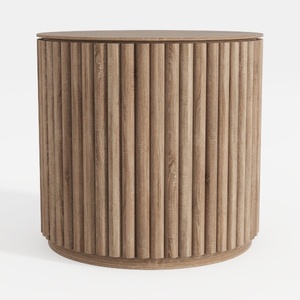
Natural Rattan Woven Square Ottoman 3D Model
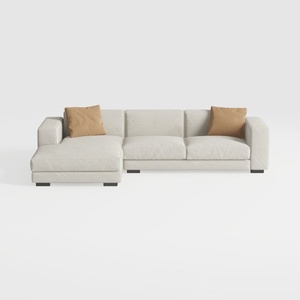
Minimalist Fabric L Shape Sectional Sofa with Throw Pillows 3D Model
Homestyler is your ultimate online home design companion! With an easy-to-use design tool, stunning 3D renderings, a plethora of design projects, and engaging DIY video tutorials, you’ll effortlessly create and visualize your dream spaces—perfect for beginners and design enthusiasts alike.
تصميم الآن مجانا
































