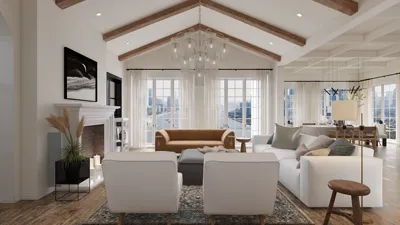


Gone are the days when pink was confined to nurseries and decorative pillows. In contemporary design, pink has evolved into a sophisticated neutral that can infuse warmth into cold concrete, temper metals, and invigorate minimalist areas. I utilize pink intentionally for a harmonious balance: combining it with earthy tones, managing lighting to prevent color distortion, and layering various textures to create a deliberate palette instead of an overly sweet aesthetic.
Research substantiates the influence of color and lighting on our emotions within a space. Insights from color psychology highlighted by Verywell Mind indicate that soft pink shades evoke feelings of calmness and nurturing, particularly when partnered with neutral tones (source: verywellmind.com/color-psychology). The quality of light is equally vital: the Illuminating Engineering Society (IES) suggests 300–500 lux for living spaces and higher levels for areas designated for tasks—amounts that significantly impact how pink appears on walls and fabrics (source: ies.org/standards). I fine-tune my color choices under 2700K–3500K lighting to ensure pinks remain true and flattering.
How Pink Enhances Modern Interiors
Pink acts as a warm counterbalance to cooler materials such as glass, stone, and blackened steel. In open layouts, it connects stark whites and deep grays, easing transitions and introducing a more human element. Desaturated pinks—like blush, dusty rose, and terra-blush—function similarly to a soft beige while injecting more character. In smaller spaces, mid-tone pinks maintain brightness without the harshness of pure white. The secret lies in adjusting saturation and value according to natural light, the reflectivity of surrounding surfaces, and the intended function of the room.
Lighting Considerations for Pink Color Schemes
The temperature of light greatly affects the perception of pink. Under warm 2700K–3000K LED lights, pink shades become richer and more intimate. In contrast, lighting within the 3500K–4000K range makes pinks appear clearer and more structured. I strive for wall reflectance between 0.6 and 0.8, achieved with matte or eggshell finishes to reduce glaring effects, maintain color integrity, and adhere to IES guidelines for visual comfort. A layered lighting approach—encompassing ambient (300–500 lux), task (500–1000 lux), and accent—ensures that pink maintains its depth across textured surfaces, such as limewash and bouclé.
Optimal Pink Color Combinations for Modern Interiors
For a sophisticated yet balanced look, consider using blush on main walls, charcoal for cabinetry or window frames, and natural oak for flooring. This warm-cool-wood combination creates a harmonious rhythm without overwhelming the senses. Introducing a linen rug and matte black fixtures can enhance the crispness of the design, making it perfect for living areas and entryways that require a sense of calm.
For a refined aesthetic, dusty rose on a feature wall paired with soft white on ceilings and adjacent areas, alongside brass accents for lighting and hardware, creates a tranquil setting. Ensure brass fixtures use satin or brushed finishes to avoid glare that could distort color perception. This scheme works exceptionally well in dining areas where the evening lighting enhances the warm metallic elements.
In a biophilic and grounded design, vibrant coral is softened by earthy sage, while stone beige serves as a stabilizing base. This combination is ideally suited for kitchens and sunrooms. Incorporating honed limestone or terrazzo can help tie this palette together smoothly, with consistent 3500K lighting to keep coral vibrant yet restrained.
To contrast modernity with softness, opt for ballet pink upholstery alongside an ink blue accent wall and warm white trims. The bright pink offers a gentle buffer against the deep blue, contributing to an airy atmosphere. Adding walnut accents introduces warmth, complemented by tactile wool bouclé fabrics.
For an industrial yet refined vibe, combine terra-blush on plaster walls with blackened steel shelving and putty gray flooring. This mix flourishes in loft spaces where pink softens the starkness of steel and putty gray effectively conceals wear. Keeping gloss levels low helps maintain the natural feel of plaster textures.
A minimalist and tranquil approach can be achieved with a narrow range of warm neutrals that exude sophistication rather than monotony. Apply rose beige to the main walls, greige for built-in elements, and use ecru linens and drapery to enhance acoustics and light diffusion.
For a contemporary yet earthy palette, utilize petal pink as the foundational color, with terracotta textiles and olive accents in chairs. This design thrives with textured paints and organic materials like jute and wool that add depth.
A striking high-contrast look can feature concrete flooring or microcement walls complemented by blush seating and meticulously placed chrome details. Limit chrome usage to lighting fixtures or table legs to prevent cold undertones from overwhelming the pink.
Designing Layouts with Pink as a Fundamental Neutral
Pink behaves consistently when circulation paths and focal points are established clearly. I position the strongest pink hue perpendicular to the primary natural light source to diminish metamerism. During furniture layout planning, I highly recommend using a digital interior layout planner as it aids in resolving spatial conflicts before the paint is applied to the walls. Consider utilizing room layout tools to model seating arrangements, wall wash angles, and sightlines.
Understanding Behavioral Patterns and Spatial Intentions
Soft pinks foster peaceful retreats—think reading nooks, dressing areas, and powder rooms—while cooler colors (charcoal, ink, sage) help maintain focus in workspace environments. Research by Steelcase shows that having control over one’s surroundings (lighting, posture, and noise) correlates with heightened satisfaction and productivity; pink palettes contribute to this comfort by diminishing visual harshness in reflective spaces. I align the palette intensity with the expected duration of stay in each area: lighter, less saturated pinks for long-term spaces; richer accents in transitional areas.
Discussing Materiality, Texture, and Sustainability
Select finishes that convey pigment authentically. Limewash and mineral-based paints provide a rich, low-VOC color experience. Textiles in wool, mohair, and cotton bouclé display pink magnificently without gloss. Choosing FSC-certified oak and walnut adds tactile warmth and richness to the palette. For kitchens and bathrooms, I recommend satin enamel or microcement in rose-tinted shades, ensuring they endure moisture and cleaning practices.
Creating Acoustic Comfort and Color Balance
Pinks truly vibrate in environments that feel acoustically soft. Incorporate heavy drapes, upholstered panels, and area rugs to lower RT60 and enhance conversation clarity. In open-concept living areas, a pink primary color combined with acoustic panels positioned strategically can maintain the palette’s understated elegance without cluttering the visual landscape.
Room-Specific Recommendations
Consider blush walls, charcoal cabinetry, and oak flooring, with recommended lighting of 300–400 lux ambient and 2700K for evening dimming, utilizing wall washers to enhance textured paint for a sense of depth.
For spaces with rose beige walls, ecru fabrics, and brass accents, opt for blackout drapes in warm neutrals to prevent cold hues becoming prominent at dawn. Aim for an ambiance of 150–300 lux with warm task lights beside the bed.
In kitchens, feature muted coral or terra-blush islands with sage cabinetry and stone beige countertops. Keeping task lighting at a warm 3500K and 500–700 lux over work surfaces ensures color accuracy. Minimize high-gloss finishes to avoid color distortion.
For a ballet pink backdrop paired with ink blue storage solutions, ensure task lighting is set between 3500K to 4000K at 500+ lux to maintain color fidelity, with matte textures to reduce visual distractions during presentations or video calls.
Developing Testing and Calibration Techniques
Always evaluate paint samples on two opposing walls and observe them at various times—morning, noon, and evening. Capture images of swatches under your actual fixtures to identify any color shifts due to temperature variations. Adjust using warmer bulbs or lower gloss finishes if pink appears too cool or shiny. Having a clean white reference nearby aids in recalibrating your perception.
Frequently Asked Questions
Desaturated blush and rose beige appear modern as they serve as warm neutrals. They blend seamlessly with oak, charcoal, and soft white shades without coming across as overly sweet.
Pairing it with low-chroma companions: charcoal, olive, putty gray, or blackened steel introduces a richer texture—focusing on materials like bouclé, linen, and limewash adds depth and minimizes shine.
Use 2700–3000K lighting for cozy evening spaces; 3500K is optimal for balanced daylight clarity. Adhere to 300–500 lux ambient as per IES guidelines to ensure colors are accurately rendered without causing glare.
Absolutely—consider pink as a neutral. Maintain clean lines, restrict the palette to three core hues, and utilize matte finishes to reduce visual distraction.
Warm finishes like brushed brass and bronze enhance the cozy feel of pink. To achieve cooler aesthetics, sparingly use polished chrome and offset it with natural wood elements.
Research in color psychology indicates that soft pinks are associated with calmness and nurturing sensations. They help mitigate visual harshness and can enhance relaxation activities.
Opt for slightly warmer pinks (blush combined with subtle coral) to counterbalance cool daylight. It’s essential to evaluate samples under your specific lighting conditions at various times of the day.
Utilizing desaturated shades alongside timeless materials such as oak, linen, and natural stone allows for versatility. Integrating bolder pinks in textiles and artwork can effortlessly refresh the space.
Certainly—pair ballet pink with ink blue storage while incorporating warm white trims. Maintain task lighting between 3500K and 4000K alongside matte finishes to create a refined backdrop.
Incorporate blush or terra-blush on the walls, enhance warmth with oak or walnut accents, and utilize wool rugs for improved acoustics. Limit shiny metal finishes to avoid cold reflections.
What began as an Autodesk innovation has evolved into a design platform used by more than 18 million people around the globe. Homestyler combines powerful rendering, an intuitive editor, and a vast furniture library to help you turn inspiration into photorealistic designs — whether you're redesigning a single room or planning an entire home.

Modern Pastel Pink White Wood Storage Cabinet 3D Model

Minimalist Pink Fabric L Shaped Sectional Sofa with Decorative Throw Pillows 3D Model

Pink Velvet Modern Loveseat Sofa with Gold Metal Legs 3D Model
Homestyler is your go-to online home design platform! With an intuitive design tool, amazing 3D rendering capabilities, and a wealth of design projects and DIY video tutorials, you can easily create and visualize your dream space, no experience needed!
Diseño ahora GRATIS
































