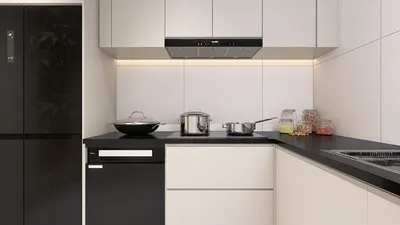


Light grey is celebrated for its subtle elegance: it soothes visual excess, enhances natural materials, and unifies diverse design elements without overshadowing them. In my design initiatives, this hue is my go-to when aiming to create an atmosphere that feels more spacious, lighter, and harmonious. Research supports the emotional advantages of light grey: the WELL v2 framework emphasizes how the quality of light and visual comfort can impact stress levels and circadian rhythms, affirming the importance of low-glare, well-balanced environments in which light grey excels as an effective neutral backdrop. Furthermore, findings from Steelcase underline the connection between visual comfort and cognitive efficiency in workplace settings, serving as a reminder that well-considered neutral colors are not merely aesthetically pleasing; they serve as essential allies in productivity-oriented spaces.
When meticulously adjusted, light grey enhances the sense of space and brightness. As outlined by IES guidelines, proper vertical and horizontal lighting is crucial for comfort and clarity in tasks; light grey's superior light reflectance value (LRV) compared to more saturated shades promotes even light distribution, diminishing harsh contrasts that can lead to eye strain. Additionally, Gensler's workplace research associates visual harmony with minimized distractions and enhanced well-being, indicating that a curated color palette—centered around light grey—can alleviate cognitive load throughout the day.
What Makes Light Grey So Adaptable
Light grey is incredibly versatile: cool tones present a modern and sleek aesthetic, while warmer greys evoke a cozy, residential feel; neutral greys can offer a blend of both. I prioritize the undertone of the grey; for instance, blue and green undertones provide a sharp edge for contemporary designs, while violet can add an air of sophistication for hospitality settings. Warm greys are ideal for family rooms and bedrooms. Additionally, consider the natural light in the space—north-facing rooms benefit from warmer greys, while south-facing areas can handle cooler, sharper tones without issue.
Lighting: The Key to Perfecting Grey
The temperature of light drastically affects the appearance of grey. At 2700–3000K (warm white), light grey feels cozier, taking on a taupe-like quality. In contrast, at 3500–4000K (neutral to cool white), it appears cleaner and a touch brighter. Following WELL v2 standards for glare management is essential, as is employing layered lighting: ambient for overall illumination, task lighting for precision, and accent lighting for depth. To minimize harsh reflections, opt for matte finishes on walls and use diffused lighting covers. In open-plan living or workspaces, consider installing dimmable lighting options to ensure the grey tones remain inviting into the evening.
Color Psychology and Material Combinations
Light grey fosters tranquility, minimizes visual clutter, and allows textures to tell their own story. For a touch of warmth, incorporate tactile materials like white oak, rattan, wool bouclé, and clay tiles. To achieve a sleek aesthetic, blend in elements of brushed nickel, blackened steel, and ribbed glass. In social areas, introduce a single vibrant accent—such as ink blue, terracotta, or olive green—to create focal points without overwhelming the overall design.
Designing the Layout Around Light Grey
The layout significantly influences how grey is perceived. Large, uninterrupted surfaces such as feature walls, ceiling details, or built-in furniture create stable sightlines. I recommend zoning spaces by their function and assigning colors accordingly: use light grey for the primary structure, richer tones for high-traffic areas like islands or media walls, and a shade lighter for trims to enhance crispness. To explore furniture flow and spatial dynamics using neutral palettes, consider utilizing a room layout tool like Homestyler for simulating proportions and light paths.
Acoustics and Grey Interiors
A monochromatic interior can sound as flat as it appears if acoustic absorption isn’t considered. Combine light grey walls with mineral-fiber ceiling tiles in office spaces, cozy wool rugs in living areas, and upholstered panels behind entertainment units. Utilizing soft finishes in grey helps maintain the overall color scheme while reducing unwanted echoes—particularly crucial for apartments with hard flooring or lofty ceilings.
The Importance of Finish: Sheen, LRV, and Upkeep
Choose a matte or eggshell finish for walls to manage reflectance and conceal imperfections; use satin for millwork and semi-gloss for doors and trims. Higher LRV greys (60–75) can amplify natural light, while mid-LRVs (45–60) provide balance in sun-drenched rooms. Consider durability when selecting finishes, opting for scrubbable options in high-traffic areas and children’s rooms; in kitchens, pair stain-resistant backsplashes with warm grey tones to soften the appearance of metal appliances.
Light Grey Across Various Room Types
Begin with a warm light grey foundation, then layer in a natural area rug and textured drapery to modulate light reflection at windows. Position a darker sectional to ground the palette, accompanied by a single sculptural lamp in black or brass to provide contrast.
Maintain low-contrast tones for restful environments. Utilize 2700K lamps, soft grey woven blackout drapery, and a padded headboard that’s slightly darker than the walls to add depth without inducing visual chaos.
Complement light grey walls with cabinetry in oak or ash, matte stone countertops, and anti-glare under-cabinet lighting. Stainless steel pieces stand out sharply against cooler greys, while brass accents add warmth to greige color schemes.
Opt for slightly cooler tones for enhanced clarity. Ensure consistent vertical lighting at the monitor wall and select a darker desktop surface to mitigate glare. Keeping shelving in the light grey spectrum offers a harmonious, low-distraction backdrop.
Proportions, Flow, and Visual Balance
Within a neutral scheme, rhythm takes precedence over a variety of colors. Repeat a single grey tone three times at varying scales—on a wall, through textiles, and in accessories—while interspersing contrasting textures every few feet to prevent monotony. Incorporate a single high-contrast element such as artwork or a dark stone feature to create a point of visual interest.
Sustainability and Longevity
Light grey supports a timeless aesthetic, aiding in reducing repaint needs and material waste. Opt for low-VOC paints and long-lasting fabrics; consider modular rugs that can be easily exchanged in high-traffic areas. Prioritize FSC-certified wood and recycled tiles whenever feasible, allowing the subdued palette to convey a responsibly sustainable ethos.
Common Mistakes to Avoid
Valuable Resources for Performance and Comfort
For recommendations on lighting and visual comfort, refer to IES guidelines and WELL v2 standards related to light quality and visual balance. You can find more evidence-based strategies applicable to your projects at ies.org/standards and wellcertified.com.
FAQ
Warm or neutral greys can make small rooms feel inviting while still creating the illusion of more space. They help to eliminate the cold ambiance that some cool greys can exhibit in low-light conditions.
Incorporate at least three textures—such as a plush rug, textured upholstery, and woven drapery—then add a single dark accent, like a lamp base or side table, to create contrast and depth.
Use 2700–3000K lighting for bedrooms and living spaces; 3000–3500K lighting works well for kitchens and home offices. Dim lights to around 80% in the evening to promote circadian comfort, in line with WELL-focused lighting techniques.
Absolutely—select greige with beige undertones. Test samples against your flooring at different times of day to ensure they harmonize under both natural and artificial lighting.
Matte or eggshell finishes are best for concealing imperfections and reducing glare. Utilize satin finishes for cabinetry and semi-gloss for trims and doors for durability and ease of cleaning.
Ensure clear circulation paths (typically around 36 inches), anchor seating with a darker area rug, and test visibility lines. Use an interior layout planner such as Homestyler to simulate light dynamics and dimensions before making final decisions.
Neutral backgrounds lessen visual distractions. When combined with balanced vertical light distribution, they uphold focus—consistent with research linking visual comfort to enhanced task performance.
Contrasting warm metals (like brass), natural greens, terracotta, and rich blues can provide grounded contrast without overwhelming the overall palette.
Incorporate grey through textiles—such as curtains, rugs, and bedding—along with removable wall panels or large-scale art pieces featuring light grey backgrounds.
Yes, but select a warmer, slightly lighter LRV and enhance with layered lighting. Avoid high-gloss finishes that can create glare and banding effects.
A slightly lighter shade within the same undertone maintains clean edges without striking contrast; while pure white can be effective, it may appear too stark under cooler lighting conditions.
Utilize sound-absorbing textiles in matching greys, like rugs, drapery, and upholstered panels, to manage reverberation in rooms with hard surfaces.

Minimalist Pink Fabric L Shaped Sectional Sofa 3D Model
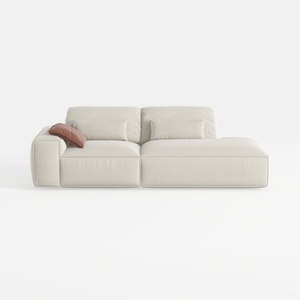
Minimalist Beige Fabric L-shaped Chaise Sofa 3D Model
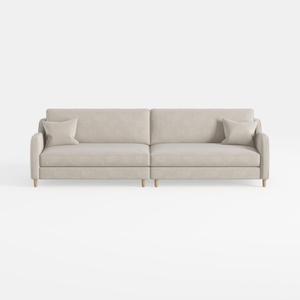
Minimalist Beige Fabric Extra Large Sofa With Solid Wood Legs 3D Model
Discover the magic of home design with Homestyler! This user-friendly platform offers an intuitive online design tool, stunning 3D renderings, diverse design projects, and helpful DIY video tutorials. Whether you're a beginner or a pro, bring your creative vision to life effortlessly!
Concevez maintenant gratuitement
































