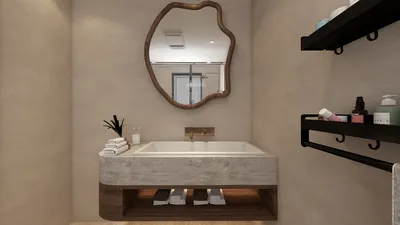


Wall putty serves as an unsung hero in achieving impeccable interiors. When applied correctly, it smooths out substrate flaws, enhances paint absorption, and lays the groundwork for texture, color, and lighting to shine. By thoughtfully selecting putty, one can reduce the frequency of repainting, enhance sound insulation, and foster healthier indoor environments—small yet significant choices that accumulate over years of living.
Better wall preparation contributes greatly to productivity and well-being. According to WELL v2 standards, visual comfort and low-emitting materials are vital for occupant health, as its Air concept highlights material emissions' impact on indoor air quality. Research from Steelcase indicates that visual clarity and a reduction in sensory noise lead to fewer cognitive distractions; achieving a clean, consistent wall surface with properly finished putty is essential to avoiding patchwork shadows and glare that can strain the eyes. These insights emphasize a fundamental truth: the quality of the finish is not merely a matter of aesthetics—it's intricately tied to behavior.
Lighting magnifies both the strengths and weaknesses of any space. The Illuminating Engineering Society (IES) suggests target vertical illuminance levels in zones adjacent to tasks; practically, when vertical light levels surpass approximately 150–300 lux, surface imperfections become more pronounced. For accent walls, I typically maintain reflectance between 40–60% to achieve a balance between depth and glare reduction, and I adjust color temperatures in living areas to 3000–3500K to prevent harsh reflections on textured putty finishes.
Design Intent: From Substrate to Surface
The foundation starts with the substrate—whether it be masonry, gypsum board, or plaster. Masonry requires a mineral-based putty that boasts good breathability and efflorescence resistance, while gypsum board benefits from polymer-modified or fine acrylic putty to facilitate smooth feathering and joint transitions. I specify a maximum tolerance of ±1.5 mm across 2 meters for feature walls illuminated by grazing light, thus preventing highlight banding and ensuring a consistent appearance.
Texture Strategies That Age Well
The texture should be both discernible and manageable. A softened sand float finish or a subtle knockdown can effectively conceal minor substrate shifts better than completely smooth walls, particularly near window bays. If linear wall washers are in your plans, it's advisable to keep texture amplitudes below 0.8 mm to avoid harsh scalloping. For busy family areas, I prefer a sleek, low-profile trowel finish along with matte paint—durable yet easy to clean.
Color Psychology Meets Material Reality
Warm neutral tones applied to properly primed putty establish a comforting foundation in living spaces. Blues and muted greens foster a sense of calm; as noted in a color psychology analysis by Verywell Mind, these shades are often linked to relaxation and stability. It's important to match the color palette with the appropriate sheen: matte finishes work well in media rooms to reduce glare, while eggshell or low-sheen is better suited for hallways where durability is key. The smoothness of the putty affects how evenly the color is perceived—any inconsistencies will be highlighted through changes in light and shade.
Light Environment and Glare Control
Vertical surfaces act like luminous canvases. I carefully arrange layered lighting—ambient for uniform brightness, accent for depth, and task lighting where necessary. Avoid directing beam angles at highly textured putty with high-CRI LEDs; angles that are too steep can bring out micro-shadows. Striving for a balanced vertical-to-horizontal illuminance ratio allows walls to feel prominent without being overwhelming. When a wall serves as a gallery backdrop, it's crucial to prioritize flicker-free drivers and consistent color rendering to ensure artwork is displayed accurately.
Acoustic Comfort and the Wall Envelope
While putty itself doesn’t function as an acoustic material, the finishing strategy can significantly impact perceived sound quality. Slightly textured surfaces are better at diffusing mid-to-high frequency sounds compared to ultra-smooth walls, which can exacerbate sound reflection in lively environments. In home offices or dens, combining a tight putty finish with soft furnishings and rugs can help balance reverberation, aiming for clarity in speech instead of complete silence.
Human Factors: Touchpoints and Durability
Edge conditions are crucial. I reinforce external corners with metal or PVC beads and feather the putty widely to enhance durability in high-traffic areas. In children’s rooms, I recommend using washable low-VOC paints atop well-cured putty; the resistance to scuffs is largely dependent on the quality of primer used. Additionally, consider areas requiring frequent cleaning, such as near switches and door frames, and choose micro-textures that can hide incidental marks while maintaining a pleasant feel.
Sustainability and Material Selection
Selecting low-VOC putties and compatible primers is essential. Respecting cure times is vital; hastiness can lead to blistered paint and inconsistent sheen. Whenever possible, opt for mineral or lime-based systems for their breathability with older masonry, thereby reducing the risks associated with trapped moisture. A well-chosen putty minimizes the need for repainting, resulting in material and labor savings over the lifespan of the room.
Layout, Light, and the Wall as a Backdrop
If you're rearranging furniture or adding wall washers, modeling the scene prior to execution is beneficial. An effective interior layout planner can assist in simulating grazing angles, shadow formations, and color readouts on varying textures. I often utilize a room design visualization tool to detect potential conflicts between beam spread and texture amplitude ahead of making any purchases.
room layout tool
Execution Checklist: My Field Notes
- Evaluate substrate moisture and movement before determining the putty type.
- Establish tolerances: stricter standards for feature walls that receive grazing light.
- Sequence is important: joint treatment, broad feathering, and comprehensive skimming where necessary.
- Sand using progressively finer grits; vacuum, then prime—no shortcuts allowed.
- Coordinate lighting angles from the outset; adjust texture to manage glare.
- Confirm color and sheen after assessing sample boards under actual project lighting.
Common Wall Putty Design Scenarios
- Media area: matte finishes over fine skimming, warm 3000K lighting, avoid harsh grazing.
- Entrance corridor: low-sheen paint on micro-textures; durable corner bead systems; neutral tones to create a soothing first impression.
- Children’s space: washable paints, gentle knockdown texture to conceal marks, strong priming.
- Gallery wall: ultra-smooth skim with precise leveling; flicker-free, high-CRI lighting at calculated angles.
Reference Notes
Visual comfort and material emissions are fundamental components in WELL v2 guidelines, influencing selections for low-emitting materials. The sensitivity to vertical illuminance is derived from practices recommended by IES; more light on walls translates to heightened visibility of surface conditions—perfect finishes are a thoughtful design choice, rather than a default expectation. Studies from Steelcase illustrate environments that alleviate cognitive friction, in alignment with efforts for creating visually coherent wall surfaces.
FAQ
Maintain planarity within ±1.5 mm over 2 meters using full skim coats. When vertical illuminance remains below 150–300 lux, even minor waves can cast shadows; tighter tolerances yield clearer gradients.
Indirectly, yes. Opt for low-VOC, low-emitting systems along with compatible primers. WELL v2 emphasizes the significance of material emissions for healthier interiors, thus making careful specification crucial.
A tight trowel or gentle knockdown can obscure incidental marks without accumulating dust. Combine with low-sheen, washable paint for a balanced blend of durability and aesthetics.
Steep grazing angles accentuate micro-shadows. Instead, apply broader beams or indirect lighting to soften contrast, especially with textures exceeding ~0.8 mm amplitude.
Not necessarily true. Ultra-smooth walls often expose every imperfection under strong lighting and can feel sterile. Light micro-textures add warmth while concealing minor movements.
Mid-tone neutrals with matte or low-sheen finishes minimize highlight contrast. Blues and muted greens encourage tranquility while mitigating glare visibility.
Adhere to manufacturer recommendations and check moisture levels. Hurried applications risk blistering and uneven sheen; a proper priming step is essential.
While putty by itself does not absorb sound, texture can help diminish reflections. Pair with soft furnishings, rugs, and ceiling elements for marked acoustic comfort.
Utilize corner beads for sturdy impact resistance, feather the putty broad, and maintain sharp sightlines. High-contact areas will benefit from resilient, washable finishes.
Use a room layout tool to simulate furniture and lighting arrangements, previewing grazing, shadow lines, and color representation while making necessary adjustments to texture and sheen.


Discover the magic of home design with Homestyler! This user-friendly platform offers a robust online design tool, stunning 3D renderings, and a wealth of DIY video tutorials. Whether you're a beginner or a seasoned designer, Homestyler empowers you to create and visualize your dream spaces effortlessly.
تصميم الآن مجانا
































