


In my experience designing front entries for various styles, including urban flats, suburban colonials, and contemporary farmhouses, I have come to realize that a carefully chosen wreath does more than just serve as decorative embellishment; it establishes the home's overall vibe. The selection of diameter, color scheme, and materials can significantly shape that all-important first impression and even affect one's mood. According to research into color psychology, hues like blue and green foster a sense of calm and trust, whereas warm colors like red and orange convey energy and hospitality. A study by Gensler revealed that well-designed entry points are associated with comfort and positive experiences, which in a home context translates to a thoughtfully sized wreath that harmonizes with the door's proportions and architectural features. Using tools like Homestyler can further aid in visualizing these designs.
The scale of your wreath is crucial. For typical 36-inch entry doors, a wreath measuring between 22 and 26 inches achieves a well-proportioned look; on wider double doors, opt for two wreaths in the 20 to 22 inch range to maintain clear sightlines. It's suggested to mount the center of the wreath at around 58 to 62 inches above the ground, aligning with the natural eye level. If your porch is equipped with task or accent lighting, aim for a warm white tone of 2700 to 3000K to enhance the appearance of natural materials. According to the IES guidelines, maintaining ambient lighting levels of 30 to 50 lux provides a comfortable atmosphere without creating glare.
Foundations: Pro Tips Before You Start
- Select a base that matches your style and local climate: options include grapevine for a rustic feel, wire frames for structure, foam for lightweight designs, or rattan for a transitional look.
- Ensure wreath diameter is approximately 60 to 70% of the door's width to maintain visibility of door panels and hardware.
- If your layout features asymmetrical elements like knockers or door cameras, utilize an interior layout planner to test placements and visualize balance; tools like Homestyler can aid in clarifying sightlines and potential hardware issues.
- Opt for UV-stable synthetic botanicals or naturally resilient evergreens, such as eucalyptus or cedar, for outdoor displays, avoiding heavy wet arrangements on sun-exposed doors.
Evergreen Classic: Grapevine + Eucalyptus
Materials needed include a 24-inch grapevine base, seeded eucalyptus (either fresh or preserved), olive branches, burlap ribbon, and floral wire. The design goal is to create a relaxed, Mediterranean vibe with an inviting energy, emphasizing calmness and trust. To execute this, cluster three asymmetric groups at the 2, 5, and 9 o'clock positions, anchoring them with wired stems tucked into the vine. Keep the center open to allow the door's color to show through, and consider adding a burlap tail to the lower cluster for movement in the wind.
Modern Minimal: Monochrome Green Ring
For materials, you will need an 18 to 20-inch slim gold or black metal hoop, a single type of foliage like ruskus or magnolia leaves, and a matte velvet ribbon that matches in color. This design aims for a sleek silhouette that complements contemporary doors featuring vertical grooves or off-center handles. The technique involves wrapping the foliage around the lower third of the hoop, leaving the upper two-thirds open for a clean look. Use a narrow ribbon in a similar color family to maintain visual coherence.
Seasonal Shift: Four Looks, One Base
Create a modular wreath you can update throughout the year, minimizing waste and storage needs. Start with a neutral 22-inch rattan base, and attach seasonal decorations with discreet clips or reusable ties.
- Spring: Incorporate blush peonies, hellebore, and soft sage lamb’s ear, topped with a pale linen bow for a light, hopeful entry that doesn't overwhelm lighter doors.
- Summer: Add citrus elements like faux lemons, glossy camellia leaves, and a navy striped ribbon for a fresh coastal feel. Yellow accents bring in cheer, and pairing these with 3000K porch lighting will prevent the colors from appearing washed out.
- Fall: Use copper oak leaves, mini white pumpkins, and dried wheat. Arrange the pieces in gentle diagonals to create a soft spiral rhythm; russet and orange tones warm up cooler facades.
- Winter: Decorate with cedar, juniper, and blue thistle, finished with a charcoal grosgrain bow. Incorporate subtle battery-operated microlights at 2700K, threading them behind the foliage to avoid glare.
Textural Harvest: Dried Meadow Wreath
Materials needed include a 20 to 22 inch straw or foam base, dried bunny tails, pampas tufts, statice, and grasses. A useful ergonomics tip is to pre-drill small pilot holes in foam to minimize strain when inserting dried stems, as they can be brittle. Begin by creating a clockwise sweep with longer plumes, then fill in with shorter pieces to build density. Aim for a soft outer silhouette rather than a rigid spherical shape to give it an organic feel.
Bold Statement: Color-Blocked Ribbon Wreath
Materials for this design include a 14 to 16-inch foam ring and three to four colors of matte satin ribbon in 1.5 to 2 inches width. The intention here is to create a striking, graphic effect that complements painted doors, such as black, navy, or forest green. The technique consists of wrapping color blocks in 90-degree segments, alternating warm and cool tones to harmonize energy with tranquility. This design is particularly suitable for renters or those on a budget as it eliminates the need for florals, making it highly durable in sunny doorways.
Wild & Natural: Foraged Branch Circle
Materials include flexible willow or birch twigs, twine, and minimal floral wire. From a sustainability perspective, using locally foraged branches minimizes carbon footprint and offers a unique, site-specific touch. To achieve this design, layer coils into a circle measuring 22 to 24 inches, embracing natural irregularities; you can add wild ivy and a singular focal bloom for restraint. This wreath is ideal for smooth modern doors where texture serves as the visual feature.
Family-Friendly: Felt Florals
Use felt sheets, hot glue, an 18-inch foam base, and craft-safe scissors. Ensure safety by selecting flame-resistant felt if using micro-lights. For color strategy, choose two analogous shades and one contrasting hue to keep the design lively yet balanced. Layout your design by clustering larger felt peonies on the lower left and distributing smaller buds around to create a pleasing visual rhythm that children will adore.
Holiday Glow: Micro-Light Evergreen
This design will require a 24-inch faux cedar base, warm white copper-wire LEDs, and a satin bow. To enhance safety, position the LEDs behind the foliage to limit direct visibility and brightness. If your door features glass inserts, consider using dimmer-compatible light packs to minimize reflections. Keeping the color temperature consistent with porch lighting will create a cohesive nighttime aesthetic.
Culinary Charm: Herb & Citrus Wreath
For this wreath, you'll need fresh rosemary, bay, sage, and dehydrated orange slices on a grapevine base. A practical tip is to bind herbs into removable mini-bundles, allowing for easy replacement of fresh sprigs without rebuilding the entire wreath. This design offers a subtle fragrance that suits small porches and enclosed entryways.
All-Weather Palette Guide
- Doors painted white or pale gray require contrast—forest greens, navy ribbons, or terracotta accents work beautifully.
- For dark doors such as black or espresso, emphasize texture and shine with materials like magnolia leaves, metallic hoops, or vibrant citrus tones.
- Colorful doors, like teal or red, should feature complementary or analogous accents to maintain visual harmony; pairing cool tones with warm accents for red doors can soften their intensity.
- On brick façades, earth tones combined with matte finishes typically perform best; avoid overly glossy materials that may appear artificial in natural light.
Hanging Hardware & Ergonomics
- For steel doors, consider using magnetic hooks to prevent drilling; select hooks rated for 5 to 10 pounds for larger wreaths.
- For glass or composite doors, utilize over-the-door hangers with felt backing to safeguard finishes; verify that clearance with weatherstripping allows for proper fit.
- Keep the wreath's centerline around 60 inches; for double doors, either mount two smaller wreaths symmetrically or position one centrally above the height of the door handles. If uncertain, use painter’s tape to simulate placement and test visibility from the street.
Care, Weathering, and Longevity
- For south-facing entries, rotate wreaths every few weeks to ensure even UV exposure, and treat preserved botanicals with UV protectant designed for fabrics or plants.
- In areas prone to rain, select open grapevine bases or sealed faux greens while being cautious of heavy dried flowers that might absorb moisture and sag over time.
- When storing wreaths, hang them on padded racks or keep them in shallow archival boxes labeled by season for quick access. Lightly blowing dust off faux foliage with compressed air can rejuvenate the appearance.
Quick Build: 30-Minute Starter Wreath
1) Begin with a 20 to 22 inch grapevine base; 2) add one bundle of eucalyptus; 3) include two accent stems (such as white berries); 4) finish with a 1.5 inch ribbon. Tuck the greens in a clockwise fashion, placing berries in odd-number clusters, and tie off with a simple tail. This approach is forgiving and budget-friendly, making it suitable for almost any door color.
Design Insight: Rhythm, Balance, and Intent
Front doors serve as narrow canvases, and wreaths benefit from clear visual hierarchy: a defined dominant cluster, a secondary echo, and negative space to create balance. Consider spatial proportions—approximately one-third dense and two-thirds airy for modern aesthetics, or equal density for traditional styles. For clients seeking curb appeal without clutter, I recommend a restrained color palette that uses texture to make the statement.
Reference: Design & Wellbeing
Studies have shown that color can greatly impact perceived warmth and hospitality. For more insights about color associations and their influence on mood, explore resources from Verywell Mind regarding color psychology. The comfort of thresholds, influenced by lighting, glare management, and spatial clarity, aligns with principles set forth by healthy buildings and lighting standards. You can learn more about these standards at wellcertified.com and ies.org/standards.
FAQ
Q1: What wreath size is ideal for a standard front door?
A: For a 36 inch door, a wreath size between 22 and 26 inches typically balances visibility and proportion. Consider keeping the diameter around 60 to 70% of the door panel width to ensure clear sightlines and hardware visibility.
Q2: How high should I position my wreath?
A: Aim to hang the wreath at a height of 58 to 62 inches from the floor, which aligns with comfortable eye level for most visitors, adhering to human-factor guidelines.
Q3: What colors pair best with a black door?
A: Colors that offer high contrast, such as vibrant greens, citrus tones, or metallic accents, will stand out elegantly. If you incorporate ribbon, opt for matte options to minimize glare under porch lighting.
Q4: How can I prevent glare from wreath lights?
A: Select warm 2700 to 3000K LEDs and conceal the wire behind the foliage to keep light bulbs out of view. Maintaining porch ambient light levels at comfortable residential standards will also help mitigate harsh reflections on glass surfaces.
Q5: Which materials are best suited for outdoor wreaths?
A: Durable options include faux cedar, preserved eucalyptus, magnolia leaves, and UV-resistant ribbons. In sun or rain-exposed areas, avoid heavy dried elements that tend to absorb moisture and deteriorate quickly.
Q6: Is it possible to hang a wreath on a glass or composite door?
A: Absolutely—utilize over-the-door hangers equipped with felt backing, or opt for clear adhesive hooks rated for the weight of your wreath. It’s a good idea to test in a discreet area first to protect the finish.
Q7: How can I store wreaths without damaging them?
A: Hang wreaths vertically on padded hooks or lay them flat in shallow boxes with tissue paper around delicate elements. Clearly label by season and keep them in a cool, dry space.
Q8: What’s the easiest wreath to create for beginners?
A: A simple design featuring a grapevine base, eucalyptus, and a single accent like berries or ribbon is ideal. The flexibility of the vines accommodates stems easily, and the organic shape helps conceal minor mistakes.
Q9: How can I create a versatile wreath that works throughout the year?
A: Select a neutral base and switch out seasonal accents—lemons for summer, wheat and pumpkins for fall, and cedar with micro-lights for winter. Utilize removable clips or ties for easy changes.
Q10: Do the colors of my front door influence how a wreath is perceived?
A: Yes, indeed. Warm-colored doors (red, orange) benefit from incorporating cool greens and neutrals to soften strong hues. Conversely, cool doors (blue, gray) pair well with warm accents for a balanced aesthetic—aligning with color psychology findings.
Q11: Are there eco-friendly wreath options available?
A: Yes! You can forage for local branches, repurpose existing bases, and select preserved elements treated with low-VOC sprays. Designs that allow for modular seasonal swaps reduce both waste and storage.
Q12: How should I handle a door that features a camera or large knocker?
A: In such cases, position the wreath slightly off-center or select a half-moon shape that keeps hardware unobstructed. You can experiment with placement using painter’s tape and leverage layout simulation tools to visualize the final look.
Q13: How can I keep fresh herb wreaths from wilting too quickly?
A: Bind herbs in small bundles with water tubes hidden behind the foliage, or plan to swap them out regularly, approximately every 7 to 10 days, dependent on exposure and environmental conditions.
Q14: What is the ideal ribbon width for wreaths?
A: For wreaths measuring 20 to 24 inches, a ribbon width of 1.5 to 2 inches looks proportional; opt for wider ribbons (2.5 inches) for larger doors or double entryways. Keep finishes matte for daytime aesthetics and subtle sheen for evening effects.
What began as an Autodesk innovation has evolved into a design platform used by more than 20+ million registered users (platform data, 2026) around the globe. Homestyler combines powerful rendering, an intuitive editor, and a vast furniture library to help you turn inspiration into photorealistic designs — whether you're redesigning a single room or planning an entire home.

Minimalist Neutral Tone Abstract Wall Art Canvas 3D Model
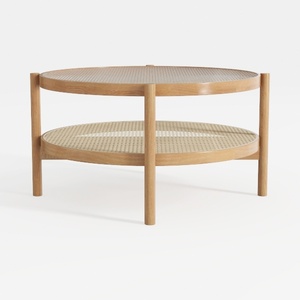
Minimalist Oak Rattan Two Tier Round Coffee Table 3D Model

Vintage Equestrian Horse Wall Art Decor Framed Print 3D Model
Looking to transform your home? Homestyler is the ultimate online design platform for you! With its user-friendly design tool, stunning 3D renderings, inspiring design projects, and comprehensive video tutorials, bringing your home ideas to life has never been easier or more enjoyable!
Projete agora para LIVRE

























![[For my dearest Sabrinik 🧡]](https://hs-designs.homestyler.com/production/design/images/3f463715-5ed6-4c49-9346-16d464510aa6/1714085722568.jpg?x-oss-process=image/resize,w_502,m_mfit/format,webp)