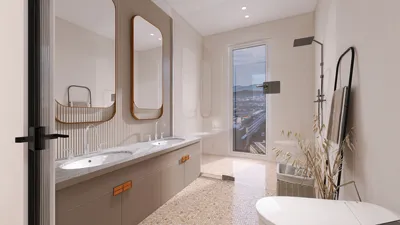


White floor tiles possess an exceptional ability to diminish visual clutter while enhancing the influx of natural light, making them a staple in living room designs that prioritize tranquility and clarity. A well-thought-out installation of these tiles can create an illusion of brightness and spaciousness without veering into a stark appearance. In my design endeavors, I blend the reflective qualities of white with warm materials and varied textures, ensuring that the space remains inviting and comfortable for daily use.
Lighting plays a crucial role in interior design. According to WELL v2 guidelines, ambient lighting levels between 215 and 300 lux are ideal for common areas, with increased brightness for tasks requiring focus. By utilizing white porcelain or glazed ceramic floors, you can effectively reflect light deeper into the room. Pairing these surfaces with matte wall finishes controls specular bounce, ensuring a balanced lighting experience. Research compiled by Verywell Mind reveals that white is associated with cleanliness and simplicity, yet its warmth and contrast are vital to avoid a cold atmosphere. I favor off-white tiles (L* values around 85-90) to preserve brightness while softening the overall aesthetic.
The size and proportion of tiles establish the ambiance of the space. Opting for large-format tiles (24"×24" to 36"×36") can significantly minimize grout lines and give the appearance of a more expansive floor area. Rectified edges allow for slim (2–3 mm) joints that contribute to a seamless aesthetic, given that the substrate is impeccably prepared. For high-traffic living rooms, porcelain tiles with PEI ratings of IV–V provide essential durability against wear from children, pets, and mobile furniture.
Style Direction: From Minimal to Mediterranean
Style encapsulates more than just color—it encompasses surface texture, restrained patterns, and how the floor interacts with daylight. For minimalist designs, a satin-finish white tile effectively minimizes glare while maintaining crisp lines against understated furniture. In coastal or Mediterranean-inspired interiors, a warm white with a slight ivory tone and handcrafted texture works harmoniously with natural fiber rugs and limewashed walls. For a gallery-like atmosphere, high-gloss tiles combined with tight joints enhance light reflection, which can be balanced with soft furnishings and open-pore wood elements to ground the reflective qualities.
The interplay of finish, glare, and everyday comfort is essential in flooring choices.
Glossy finishes capture light while matte finishes help to diffuse it. I carefully select surface finishes based on the room’s window orientation and the dimensions of the glazing. Rooms facing south can accommodate higher gloss levels, whereas north-facing areas typically require brighter materials that benefit from satin finishes to minimize cold reflections. To mitigate glare, it’s advisable to avoid direct downlights above high-gloss white floors; instead, indirect or wall-wash lighting with a consistent color temperature between 2700K and 3000K helps create a cozy atmosphere, aligning with comfort principles supported by IES lighting guidelines.
The perception of space hinges on visual expansiveness.
White tiles can visually extend room boundaries, especially when their tone harmonizes with baseboards and the first 12–18 inches of wall color. Laying tiles diagonally can subtly widen narrow spaces, while long rectangular tiles aligned with natural traffic patterns enhance the perception of length. If you are exploring furniture layouts or circulation paths, utilizing an interior layout tool can simplify the process of determining sofa depths, rug sizes, and spacing around fixed elements without confusion.
Material selection is critical in achieving durability and aesthetics.
Porcelain tiles are ideal due to their durability and low porosity, making them perfect for living rooms that transition into entries or balconies. While ceramic tiles can be a budget-friendly option for areas with lower foot traffic, they require careful sealing if the glaze is thin. Engineered stone tiles present a consistent pattern that fosters serenity in white-dominated spaces. If radiant heating is part of the design, it’s important to check thermal expansion specifications and use flexible mortars; the thermal mass of porcelain works harmoniously with underfloor heating systems, distributing warmth effectively.
Texture and slip resistance play a vital role in floor safety.
Living rooms need to offer comfortable footing without sacrificing style. A DCOF (dynamic coefficient of friction) around 0.42+ is recommended for safe indoor surfaces; I aim for micro-textured finishes that maintain a clean look while providing grip during humid months or near entrances. Micro-beveled edges help disguise minor lippage and protect grout lines from damage.
Strategic grout selection can enhance durability and appearance.
Grout can be considered the unsung hero of floor installation. I prefer warm light-gray grout over bright white to hide wear and subtly outline tile modules. Narrow joints (2–3 mm) in rectified tiles enhance sophistication, yet they necessitate precise leveling and a flat substrate. For living rooms, epoxy grout can be a worthwhile upgrade, resisting stains from spills like coffee or wine, rendering it ideal for low-maintenance homes. Regular maintenance with pH-neutral cleaners preserves the sheen and sealants.
Acoustic elements in hard flooring are fundamental.
Hard floors can amplify sound. To create a pleasant conversational atmosphere, I recommend layering area rugs (natural wool is particularly effective for absorbing mid-frequencies), including upholstered seating, and soft window treatments. The strategic placement of bookcases or slatted wood panels acts as sound diffusers. If a space feels overly echoic after tiling, a larger area rug or thicker drapery usually provides a solution beyond merely adding wall decor.
Furniture, rugs, and insights on color psychology contribute to a cohesive design.
White floors accentuate the silhouette of furniture. I choose low, warm-toned woods and soft shapes to counterbalance geometric lines; black or deep walnut pieces provide a striking contrast. Insights from color psychology, as highlighted by Verywell Mind, suggest that pairing white with warm accents—like terracotta, camel, and muted greens—creates an emotionally balanced environment. For rugs, I maintain an appropriate pile height relative to the tile dimensions: larger tiles are suitable for larger, low-pile rugs to avoid visual clutter.
Daylight, lighting design, and the shine equation are essential for ambiance.
Daylight is an invaluable resource, but managing it effectively is key. Sheer curtains can soften bright mornings, while layered dimming with LEDs allows for ambient adjustment as dusk approaches. If light reflection is pivotal to your interior concept, consider cross-lighting from opposite walls to enhance depth without introducing glare. High CRI (90+) lamps are crucial to prevent whites from appearing dull; ideally, the floor's white should exude a luminescent quality, steering clear of blue or chalky tones.
Incorporating sustainability and long-term care principles into design choices.
Porcelain and ceramic tiles boast durability and frequently utilize recycled materials; it's advisable to review manufacturer EPDs for information on embodied carbon. A long-lasting floor reduces the need for frequent replacements, making endurance-centered design a cornerstone of sustainability practices. Utilizing felt pads under furniture, rotating rugs seasonally to limit UV exposure, and refreshing sealants according to product guidelines are intelligent upkeep strategies. Additionally, when a living area merges with outdoor spaces, incorporating boot trays and mats can minimize dirt and micro-scratches.
Strategically prioritizing budget and value in flooring investments.
Prioritize spending on substrate preparation and professional installation; these elements are fundamental for achieving a flawless appearance with white floors. Upgrading to rectified porcelain yields minimal joints, and choosing epoxy grout is advisable for homes with considerable foot traffic. Simplifying patterns can result in cost savings, as a serene white field elevates the overall aesthetic.
Layout strategies that enhance spatial perception.
Maintain primary circulation areas at a minimum of 900–1000 mm wide and position furniture away from walls to create an airy feel around seating. Aligning the sofa's longest side with the room’s longest sightline stabilizes the visual composition on a white floor. If you're refining arrangements, consider utilizing an interior layout planner to accurately assess clearances and rug dimensions.
Expert notes on design choices.
For design insights, WELL v2 provides criteria focused on health and comfort related to lighting, while Verywell Mind offers accessible information regarding color psychology and emotional reactions to white. These resources serve as a foundation for making informed aesthetic choices with a human-centered approach.
FAQ
Q1: Do white floor tiles make my living room appear larger?
A1: Absolutely—by minimizing visual contrast and taking advantage of light reflection, they expand sightlines. Large-format tiles with slender grout lines further amplify this effect, especially when baseboards and lower wall colors are similar.
Q2: Can glossy white tiles create glare?
A2: Yes, glare can occur under bright downlighting or direct sunlight. To ensure comfort in bright rooms, opt for satin finishes, indirect lighting, and maintain a consistent warm color temperature (around 2700K to 3000K).
Q3: Is it challenging to maintain white porcelain tiles with kids and pets?
A3: Not at all—porcelain’s low porosity makes it resistant to stains and scratches. Selecting micro-textured finishes and epoxy grout aids in effortless cleaning; using a pH-neutral cleaner will keep the surface looking pristine without dulling.
Q4: What's the best grout color to pair with white tiles?
A4: A warm light gray grout is ideal as it conceals wear and delineates tile modules subtly. This option is more forgiving than pure white, which may discolor over time near entries or under heavy use.
Q5: How can I enhance acoustics on a hard white floor?
A5: Layering area rugs, upholstered seating, and soft window treatments can help. Additionally, bookshelves and slatted panels can act as sound diffusers, mitigating flutter echoes common in minimalist settings.
Q6: What tile size should I select?
A6: For medium to large living rooms, opt for tiles measuring 24"×24" or larger to minimize grout lines and promote visual calm. Smaller rooms benefit from 18"×18" or elongated planks arranged to follow traffic flow to enhance perspective.
Q7: Are white tiles suitable for radiant floor heating?
A7: Indeed. Porcelain is excellent for conducting and retaining heat. Use flexible-setting mortars and accommodate movement joints as per installer guidelines to address thermal expansion.
Q8: How do I prevent the space from feeling sterile?
A8: Incorporate warm wood elements, textured textiles, and color accents (such as terracotta, camel, and muted green). The combination of satin finish tiles and high-CRI warm LEDs helps make the white feel inviting and soft.
Q9: Will white tiles show every speck of dust?
A9: They will reveal dirt more than mid-toned tiles; however, a weekly sweep and occasional damp mopping usually suffice. Additionally, using entry mats and felt furniture pads can help minimize tracked dirt and microscopic scratches.
Q10: Can I integrate white tiles with natural stone patterns?
A10: Absolutely! Engineered stone tiles with gentle veining can maintain the serenity of the white field while providing depth. Ensure the pattern remains low-contrast to avoid visual disruption.
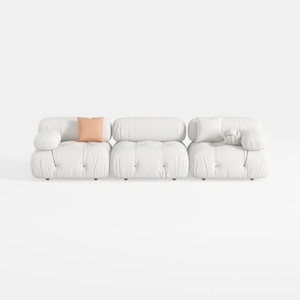
Minimalist White Fabric Modular Sofa 3 Seater 3D Model
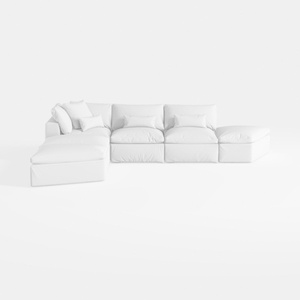

Minimalist White Fabric L Shaped Sectional Sofa 3D Model

Minimalist Clear Acrylic Rectangular Coffee Table 3D Model
Homestyler is your go-to platform for effortless home design. It features an intuitive online design tool, stunning 3D renderings, and a wealth of inspiring design projects. With helpful DIY video tutorials, you can unleash your creativity and transform your space beautifully—no prior experience needed!
Design Now for FREE
































