

I've always been fond of small vintage drop leaf tables. Their seamless charm and space-efficient design make them essential for compact city apartments and warm cottages alike. A strategically placed drop leaf can convert a tight corner into a delightful breakfast nook, then retract to enhance open space. Research from Steelcase on small-space work environments indicates that flexible furniture can enhance the perceived usability of a space by as much as 23%, especially in areas where limited square footage necessitates dynamic use throughout the day. Additionally, the WELL v2 framework emphasizes the importance of ergonomic reach and clearance for comfort; maintaining 30–36 inches for movement around a deployed leaf ensures easy and safe navigation.
Typically, I choose a vintage drop leaf table that is about 24–30 inches deep, with each leaf extending 8–12 inches for additional surface area; this setup usually accommodates two to four diners when fully extended. Research by Gensler shows that environments that support various activities—such as focused work, social interaction, and specific tasks—reflect higher user satisfaction scores. Consequently, drop leaf tables embody this principle at home, facilitating quick laptop work, intimate tea gatherings, or evening crafts without occupying excessive space. For effective lighting, I recommend achieving a brightness of 300–500 lux on the table for dining and casual tasks, while balancing ambient light with a warm fixture in the 2700–3000K range to complement vintage wood and brass designs.
Selecting the Ideal Vintage Piece
When choosing a piece, I start by examining the frame for stability, ensuring the presence of solid aprons, robust mortise-and-tenon or dowel joints, and solid hinges. Look for original swing brackets or gate legs that lock securely; any wobbling can suggest worn pins or misalignment of components. When both leaves are raised, apply pressure diagonally to check for racking; any movement exceeding 1/8 inch may indicate the need for reinforcement. For proportion, a tabletop ratio of approximately 1:1.6 (a golden aspect) presents a visually pleasing appearance while maintaining comfort with 16–18 inches of space per diner.
Wood Type, Finish, and Patina
Many small vintage drop leaf tables feature materials like oak, maple, or walnut. Oak is durable and apt for laid-back settings; maple has a consistent stain application for a more polished feel; walnut showcases a rich color that beautifully complements mid-century furnishings. I appreciate the authentic wear—rounded edges, fine cracks—but I also manage risky areas with conservation-grade wax or shellac treatments. If refinishing, opting for a low sheen (matte to satin) maintains the table's antique character and helps minimize glare under working lights.
Strategic Layout and Placement
Effective space planning is crucial. In kitchens, I prefer placing the table near natural light and maintaining at least 32 inches between the table's edge and any fixed cabinet to ensure comfortable drawer access. In living areas, positioning the table in a corner with one leaf down can prevent obstruction of pathways, while a flexible chair arrangement can create a cozy social area when needed. Using a layout simulation tool can be beneficial to visualize clearances and movement patterns, akin to how you might use tools like Homestyler for room design.
Lighting, Color, and Atmosphere
Lighting plays a vital role in ambiance and functionality. For dining and light crafts, achieving 300–500 lux on the table with a warm 2700–3000K illumination fosters richness in food tones and warmth in the wood grain. To minimize glare, consider soft shades and place pendants at a height of 28–32 inches above the table's surface. Color theory suggests that warm neutrals along with muted blues and greens can promote relaxation and enhance social connection; pairing the table with a terracotta runner or understated sage walls yields a soothing aesthetic that complements the vintage essence.
Sound Absorption and Comfort
Small wooden tables can amplify sound. To soften the noise from ceramic dinnerware, apply soft underlays or felt pads. If the table is situated near a hard corner, including textiles, such as a rug with a 0.4–0.6 NRC rating, along with upholstered chairs, can absorb sound and reduce echoes. This consideration is particularly important in compact homes where kitchens blend into living spaces, making conversations compete with appliance noise.
Ergonomics and User-Friendly Design
The standard seat height should be around 17–19 inches with a table height of 28–30 inches, aligning with ergonomic guidelines for dining and laptop use. Ensure there is a knee clearance of 10–12 inches beneath the aprons; drop leaves can sometimes encroach on leg space, so testing before purchase is wise. I recommend maintaining a walkway of 30–36 inches around the opened table to allow guests to move freely without risk of bumping against sharp edges. The WELL v2 framework underscores the importance of clear reach zones; the drop leaf's swing path must remain unobstructed to prevent accidental collisions.
Creating a Cohesive Vintage-style
Emphasize layered textures with linen placemats, a low ceramic bowl, and a singular brass candleholder that reflect the style of the table without falling into excessive nostalgia. Combine two chair styles—one upholstered and one bentwood—to create a sense of a curated space that looks like it has been collected over time. Maintain clear vertical sightlines: a modest framed piece of art hung 8–10 inches above the tabletop keeps the look balanced without overwhelming the setting.
Maintenance, Restoration, and Sustainability
Regularly inspect hinges and gate leg joints, tightening screws with a manual driver to prevent over-tightening. Clean using pH-neutral soap and water, then apply beeswax or microcrystalline wax for protective layering. When restoring surfaces, select low-VOC options and retain as much original material as feasible—utilizing vintage furniture helps minimize embodied carbon relative to manufacturing new items. Choosing appropriate materials is vital; felt pads can guard your floors, and reversible conservation methods can enhance resale potential.
Practical Applications: Dining, Work, and Hospitality
In a studio apartment, I might fold down one leaf for average dining and open both for entertaining guests. For remote work, I pair the table with a task lamp and a compact rolling cart, storing supplies when the leaf is retracted to revert to lounge mode. In hospitality venues—like small B&Bs or cafés—drop leaf tables provide adaptable seating arrangements while ensuring clear walkways between service areas.
Standard Sizes and Space Ratios
Common compact table tops measure between 24x30 to 30x36 inches. Each leaf typically contributes an extra 8–12 inches, effectively doubling the space when both are lifted. Aim for a minimum clearance of 36 inches from nearby walls when feasible; 30 inches represents the lowest acceptable margin in extremely tight apartments. Maintain chair depths near 16–18 inches to prevent interference with apron supports.
Purchase Considerations
- Check for proper hinge alignment and leaf sag; a straightedge should show less than 1/8 inch deviation along the seam.
- Test the stability of the table with both leaves extended and an even load in the corners.
- Look for signs of woodworm (tiny pinholes) and active dust; treatment is necessary before bringing the piece into your home.
- Ensure the finish will harmonize with your existing décor—walnut exudes warmth, while oak offers a more neutral visual.
- Take measurements for clearances in your area prior to purchase; you can use painter's tape to outline the intended footprint and swing of the leaves.
Frequently Asked Questions
Q1: What is the ideal height for a small drop leaf table?
A: A height of 28–30 inches works well for dining and light laptop use, coordinating with seat heights around 17–19 inches for optimal comfort.
Q2: What clearance is recommended when both leaves are extended?
A: Aim for a circulation space of 30–36 inches around the table's edges to prevent congestion and facilitate safe movement, as advised in the WELL v2 standards.
Q3: What lighting level should I aim for to ensure the surface is comfortable for meals and tasks?
A: Target a lighting intensity of 300–500 lux on the tabletop with warm 2700–3000K bulbs, as this range supports visual clarity without overwhelming brightness, per IES guidance.
Q4: Which wood types offer the best durability for vintage drop leaf tables?
A: Wood species like oak for dent resistance, maple for a uniform finish, and walnut for its rich aesthetic each provide durability with their unique design appeal.
Q5: How can I alleviate wobbling on an older gate leg?
A: Tightening the hardware, adding subtle corner blocks within the apron, and replacing any worn pins will help; ensuring the legs lock securely under the leaves prior to use is crucial.
Q6: Is it feasible for a small drop leaf table to be used as a work desk?
A: Absolutely—one leaf can be raised for compact tasks while adding a task lamp; just ensure there's 10–12 inches of knee clearance under the apron.
Q7: What finishes maintain patina without causing excessive glare?
A: Satin or matte shellac and wax systems pay homage to the piece's age and minimize reflections—steer clear of high-gloss finishes in brightly lit spaces.
Q8: How should I arrange chairs around a small table?
A: Combine narrow-profile chairs (16–18 inch depth) with at least one upholstered choice for comfort; ensure pathways are clear and vary textures to enhance the vintage tabletop.
Q9: Are drop leaf hinges standardized?
A: Many vintage designs utilize various types of rule joints along with butt or piano hinges; replacement components should match the original in thickness and curvature to prevent misalignment.
Q10: How can I assess if the leaves might sag over time?
A: Extend both leaves and apply equal weight towards the outer edges; if any deflection exceeds 1/8 inch, it's advisable to consider reinforcement before daily use.
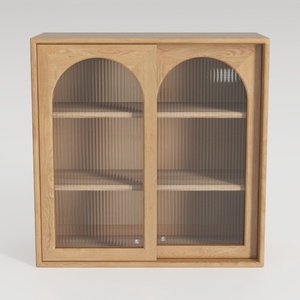

Nathan James Mason Modern Farmhouse Storage


Minimalist Solid Oak Wood Bookshelf Display Storage 3D Model
Homestyler is your go-to platform for effortless home design! With its user-friendly online tool, stunning 3D renderings, a wealth of design projects, and helpful video tutorials, you can easily transform your space into a masterpiece. Start designing today!
Design Now for FREE
































