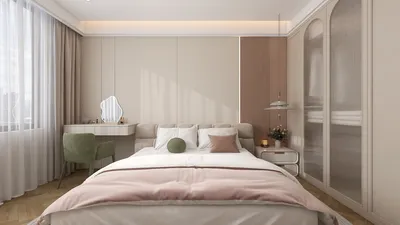


Cream strikes the perfect balance between warm minimalism and effortless elegance. I consider it an adaptable foundation that softens harsh lines, enhances natural illumination, and complements a wide variety of textures—from cozy boucle to porous limewash surfaces. When thoughtfully combined with effective lighting, ergonomic furniture, and well-considered acoustics, cream color palettes can transform a living area into a serene yet functional social zone.
The colors we choose can significantly influence our emotions and interactions. Studies in color psychology indicate that soft, muted shades like cream help to lessen visual strain and encourage relaxation, particularly when coupled with warm undertones. According to Verywell Mind, warm neutrals create a welcoming and comfortable atmosphere, fostering low-stress surroundings. Furthermore, WELL v2 suggests using warm-white ambient lighting within the 2700–3000K range for residential spaces to enhance evening calmness and circadian comfort, which beautifully complements the gentle reflectance of cream. For more insights, you can explore the WELL lighting framework.
The quality of lighting is crucial. The Illuminating Engineering Society (IES) recommends a task lighting level of 300–500 lux in reading and conversational areas, ensuring glare is minimized for visual comfort. In living rooms, I favor layering light sources—including dimmable overhead fixtures, wall-mounted washes to soften surfaces, and low-glare floor lamps—so that cream elements do not appear washed out or overly yellow. To optimize furniture and lighting layouts, I frequently utilize a room layout tool to evaluate sight lines, acoustic zones, and traffic flow, such as the effective designs offered by Homestyler.
Cream + Greige + Charcoal: Subtle Contrast
For clients desiring a contemporary flair without losing warmth, I suggest pairing creamy walls with greige furniture and charcoal accents. The key lies in proportion: allocate 60% to cream (for walls, ceilings, and large carpets), 30% to greige (for sofas and drapes), and 10% to charcoal (for metal frames and side tables). Charcoal provides a grounding effect, while greige harmonizes both warm and cool tones, ensuring the space avoids a flat appearance. Including a matte black linear lamp and brushed nickel fixtures adds a sleek, modern touch.
Cream + Warm Wood + Burnished Brass
Utilizing natural materials enhances the tactile quality of cream. I gravitate towards finishes like rift-sawn oak, walnut, or ash, which have a subtle sheen. Brass, whether aged or brushed, introduces warmth without overwhelming the senses. It's best to limit brass accents to two key points (like lighting or hardware) to maintain a clean aesthetic. A wool area rug in cream with delicate striations also helps minimize noise, softening footsteps while complementing the timber textures.
Cream + Sage Green: Nurturing Harmony
Sage green adds the natural uplift that cream occasionally requires. It appears fresh, calm, and timeless. I often paint built-in shelves or feature walls in a mild sage hue, incorporate leafy textures, and keep artwork neutral to enhance balance. Introducing plants aids in sound absorption and visual interest; varying leaf sizes can balance the overall composition. In rooms with a north-facing exposure, consider warming the sage tones with brass or walnut to offset any overly cool appearance.
Cream + Terracotta: Modern Earthiness
For spaces wishing to embrace a hint of Mediterranean charm, integrating terracotta elements like pillows or ceramic decor can bring personality to the palette. Cream walls provide ample light, while terracotta adds a cozy vibe. Balance this warmth with cooler touches—such as off-white linen sheers or a stone coffee table—to avoid overwhelming the space with color.
Cream Monochrome with Textural Variety
Monochromatic schemes can thrive when diverse textures are involved. Mix boucle, washed linen, raw silk, and porous wood to achieve depth. Incorporate limewash or microcement into a feature wall for soft shadow effects. Utilizing ribbed glass, woven cane, and a slubbed rug provides micro-contrasts. It's essential to keep trim and ceilings in a slightly lighter cream to preserve a crisp appearance.
Cream + Navy: Refined Contrast
Navy complements cream beautifully, providing depth without sharp contrasts. I tend to use navy in smaller areas—such as on a media console, bookcase backs, or an upholstered chair—so the space does not become overly formal. Warm lighting (2700K) should be incorporated to maintain a rich tone of navy rather than a cold one. Bringing in brushed brass or bronze elements harmonizes the color story.
Cream + Black Accents: Thoughtful Minimalism
When utilizing black accents, moderation is key. Opt for slender profiles and low-gloss finishes—like lamp arms, picture frames, or chair legs. This approach allows for defined shapes while maintaining the room's overall softness. Ensure that the black elements align strategically within sight lines, anchoring prominent features like a fireplace or media wall to enhance deliberate focus instead of chaotic distribution.
Lighting and Acoustic Considerations
Structure your lighting based on activities: ambient dimmable pendants, accent lighting for walls, and task lamps positioned in reading areas. Aim for 300–500 lux levels at seating for reading, while ambient light should sit around 100–200 lux for optimal conversation. Choose lampshades and diffusers that minimize glare and avoid hot spots on cream walls. To manage acoustics, incorporate sound-absorbing materials such as wool rugs, upholstered sofas, and lined curtains, ensuring a balanced living area that supports clear dialogue without dampening the ambiance.
Human Factors, Scale, and Flow
Creating comfort begins with proportion. Maintain an 18–24 inch gap between coffee tables and sofas, and ensure at least a 36-inch pathway around seating arrangements. The height of armrests and the depth of seats are crucial: aim for a seat height of 17–19 inches and a depth of 20–22 inches for mixed-age comfort. An interior layout planner can be an invaluable asset, enabling you to visualize traffic patterns and TV sight lines before finalizing arrangements—such tools are readily available in innovative programs like Homestyler.
Material Selection and Environmental Responsibility
Opt for low-VOC paints for your cream walls and choose FSC-certified woods for cabinetry to ensure sustainability. Natural fibers—wool, linen, and cotton—are far superior in managing humidity and temperature than synthetic options. For durability, select performance-grade fabrics in the cream spectrum with stain-resistant treatments; complement them with removable and washable cushion covers. Stone or porcelain materials with a honed finish help avoid glare while aligning with soft lighting effects.
Spatial Proportions and Aesthetic Balance
Adhere to the 60/30/10 color ratio for an effective scheme, then adjust according to light reflectance values (LRV). Maintain cream walls within an LRV of 70–85 to effectively reflect daylight without creating glare. Anchor the space with mid-tones in furniture while using darker shades minimally. Height variation is vital: introduce vertical elements like floor lamps, bookcases, or tall plants to establish rhythm, circumventing a monotonous horizontal line across the room.
2024-2025 Living Room Trends Featuring Cream
Emerging trends highlight warm minimalism, textured walls (limewash, clay paint), understated luxury through natural materials, and adaptable layouts. Expect to see an increase in layered, dimmable lighting and enhanced acoustic qualities as living rooms evolve into multifunctional areas for conversation, reading, and media consumption.
Quick Pairings by Mood
- Cozy: Cream + cocoa brown + brass + boucle
- Airy: Cream + pale oak + linen + ribbed glass
- Modern: Cream + charcoal + nickel + microcement
- Organic: Cream + sage + rattan + terracotta
- Refined: Cream + navy + bronze + silk
FAQ
Q1: What cream undertone works best for a north-facing living area?
A1: Opt for a warm cream infused with subtle yellow or beige undertones to counteract cool daylight. Pair it with warm-white lighting in the 2700–3000K range to preserve a cozy atmosphere.
Q2: How bright should my living room lighting be for reading?
A2: Aim for 300–500 lux at seating areas for reading, using a low-glare task lamp, while maintaining around 100–200 lux of ambient light for conversations. These levels correspond to IES recommendations tailored for comfort-focused residential needs.
Q3: Will cream walls appear overly yellow at night?
A3: Not if high-quality warm-white LEDs (2700–3000K) with a high color rendering index (CRI 90+) are utilized. Dimming controls can help prevent color distortion and over-saturation.
Q4: What accent hues can prevent cream from appearing flat?
A4: Colors like greige, charcoal, sage, terracotta, and navy add dimensionality. Employ a 60/30/10 ratio: cream as the base, mid-tones for furnishings, and darker accents for definition.
Q5: How can I balance textures in a creamy monochrome design?
A5: Combine three to five varied textures—such as boucle, linen, open-pore wood, ribbed glass, and a slubbed rug. Diversifying sheen levels from matte to low-sheen wood fosters subtle light contrasts.
Q6: What materials enhance acoustic comfort?
A6: Incorporating elements like wool rugs, upholstered seating, lined curtains, and bookshelves aids in reducing sound reflections. Even a few soft surfaces can dramatically enhance speech clarity without relying on heavy acoustic panels.
Q7: What layout principles ensure comfort and fluidity?
A7: Maintain a distance of 18–24 inches between the sofa and coffee table, with a minimum of 36 inches around seating areas for easy movement, while setting seating arrangements primarily for conversation rather than TV viewing. You can also experiment with layout simulations to explore various setups.
Q8: Which metals blend best with cream tones?
A8: Consider using burnished brass, bronze, or brushed nickel as these create pleasing contrasts. Limit the metal finishes to one or two types for a cohesive look, while keeping gloss levels subdued to avoid harsh reflections on cream walls.
Q9: How can I prevent stains on cream upholstery?
A9: Opt for performance fabrics featuring stain-resistant properties, alongside removable slipcovers or cushion covers, and maintain a mild upholstery cleaner nearby. Regularly rotating cushions helps distribute wear evenly.
Q10: Is cream an appropriate choice for compact living rooms?
A10: Absolutely! High-LRV cream shades (70–85) amplify perceived brightness. Pair them with furniture of slim profiles, wall-mounted lighting, and mirrors to effectively distribute ambient light without causing glare.


Looking to transform your space? Homestyler offers a fantastic online home design tool that lets you visualize your ideas with stunning 3D renderings. Explore endless design projects and enhance your skills with DIY video tutorials. It's perfect for anyone eager to create their dream home effortlessly!
Design Now for FREE
































