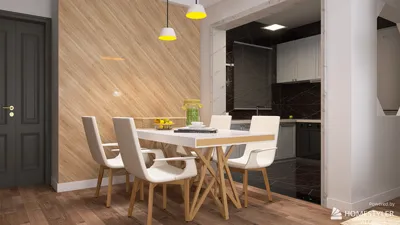


Blue is remarkably versatile, exhibiting crisp architectural lines or a gentle, restorative quality based on its hue, context, and lighting conditions. In my design projects, rooms featuring modern blue hues achieve optimal results when their color strategies are seamlessly integrated with lighting, ergonomic designs, and varied material textures. The WELL v2 standard emphasizes the significance of lighting in terms of visual comfort and circadian rhythm, advocating for specific melanopic lux targets that enhance alertness during the day and promote relaxation at night. To complement blue walls effectively, I suggest utilizing warm neutral LEDs (3000–3500K) in living spaces and cooler task lights (4000–5000K) in work areas, ensuring the blue tones are displayed accurately and harmoniously with the environment.
Color psychology consistently associates blue with tranquility and mental clarity. According to Verywell Mind, blue is often viewed as stable and productive, which resonates with my experiences in home office and studio settings. Additional research from Steelcase underscores how visual surroundings enhance focus; integrating subtle blue backgrounds alongside glare-minimizing task lighting aids in reducing visual distractions and fosters an environment conducive to deep concentration. These insights remind us that the choice of paint is just one aspect—the temperature of the light, intensity, and arrangement of furniture significantly amplify the overall impact.
Before deciding on paint placement in a modern blue room, I find it beneficial to test out different layouts, particularly when incorporating contrasting trims or accent walls that frame traffic areas. A quick layout simulation using an interior design tool allows for visualizing sightlines, accessibility to daylight, and focal points, ensuring that the painted surfaces encourage movement, maintain views, and support the intended functionality of the area.
Soft Sky Blues for Relaxing Bedrooms
For bedrooms, I frequently recommend soft sky or powder blues when clients desire a soothing, airy environment. Target a Light Reflectance Value (LRV) of around 60–70 to maintain the space’s airiness without compromising on texture. Utilize matte finishes to minimize glare and complement with bedside lamps in the 2700–3000K range to facilitate relaxation at bedtime. My preference leans towards warm wood or linen headboards and low-contrast trims, as this palette conveys calmness rather than a maritime feel. To enhance tranquility, acoustic materials such as heavy drapes and upholstered panels can soften reflections and prevent the calming tones from feeling too stark.
Muted Blue-Greys for Productive Workspaces
Muted blue-grey paints serve as effective tools for fostering concentration. Their subtle green undertone can help neutralize screen glare and balance variations in natural light. I recommend applying low-sheen eggshell paint on the wall behind monitors to prevent excessive brightness and keeping the most illuminated wall across from the primary light source. I prefer task lighting set between 4000–4500K combined with dimmable options, along with indirect uplighting to create a balanced contrast. Ergonomically, mid-tone blue fosters a tranquil visual environment, reducing cognitive strain during prolonged focus.
Deep Navy Accent Walls for Inviting Living Areas
Navy blue adds a sense of structure and depth in expansive living areas, especially when utilized on a singular feature wall to anchor artwork or shelving. In spaces abundant with daylight, a low-sheen navy maintains a light ambiance; in dimly lit settings, layering lamps (ambient, task, and accent) becomes crucial. Ensure the navy wall faces the brightest surface while flanking walls are painted in warm off-whites to achieve balance, further softened by incorporating brass, walnut, and woven elements. A thin satin trim adds subtle contrast without overwhelming the space with excessive gloss.
Mediterranean Blues for Contemporary Kitchens
In modern kitchens, vibrant yet inviting Mediterranean blues work wonderfully—think mid-tone azure on lower cabinets, complemented by neutral hues above. I recommend using durable, scrub-resistant paints or factory finishes that are low in VOCs for easy maintenance. Color continuity is essential: repeating the blue across two or three key areas (like base cabinets, island panels, or mesh backsplashes) enhances the overall design. Pair with warm LED strips underneath cabinets (set to 3000–3500K) to keep food colors looking natural and avoid the icy effect that blue can sometimes produce.
Slate and Ink Blue for Sophisticated Bathrooms
For bathrooms, rich slate or ink blues elevate the aesthetic of tiles and stone elements. On the walls, a moisture-resistant satin or pearl finish is advisable, while ceilings can be painted slightly lighter to create an illusion of space. In compact bathrooms, extending the blue to the door or vanity simplifies the visual composition. Using dimmable mirrors set to 4000K ensures accurate grooming lighting, augmented by a soft 2700K nighttime setting for gentle navigation during the night. Subtle textures—such as fluted tiles or honed stone—bring a contemporary feel to the overall design.
Pale Blue Ceilings for Height Illusion
In apartments with low ceilings, a pale blue ceiling creates an effect of increased height while introducing a calming sky layer. I recommend a flat finish to conceal imperfections and pairing it with a slightly darker wall shade to create a cohesive look. If the orientation receives cooler natural light, adjusting the lamp temperatures slightly warmer can help balance the ambiance. The result appears fresh and architecturally pleasing, especially when combined with minimalist fixtures and streamlined trim designs.
Two-Tone Blue Designs
Two-tone color schemes can be effective when each hue has a distinct role: a deeper blue can anchor the lower portions, while a lighter blue can open up the upper areas. Techniques such as wainscotting or half-height paint divisions create visual rhythm and protect high-use areas. It's essential to maintain a limited color variance—ideally 2–3 shades on the color card—to ensure the transition feels deliberate. A slender midline (through stain-grade rails or narrow moldings) maintains a clean break in modern rooms.
Harmonizing Blue with Neutrals
Blue harmonizes beautifully with warm neutrals—like bone, sand, and mushroom tones—to avoid a sterile appearance. I suggest incorporating natural fibers, matte metals, and low-sheen woods for added warmth. In cooler-palette spaces, introducing diffuse amber accent lighting or a rug featuring muted terracotta aids in balancing color temperatures. Furthermore, it's crucial to moderate high-gloss finishes; modern designs flourish with controlled reflectance to minimize glare and visual fatigue.
Essentials for Managing Light and Glare
Blue tones can appear dramatically different depending on the type of light used. Daylight, rich in blue tones, can make the color feel even cooler; whereas tungsten or warm LEDs can impart a greener hue. Following the IES guidelines on visual comfort, it’s best to avoid stark contrast hotspots while incorporating indirect lighting to create a smoother luminance. A well-planned lighting hierarchy—comprised of ambient, task, and accent lighting—allows blue tones to comfortably transition from day to night. Adjustable window treatments (ranging from sheer to lined) aid in managing daylight exposure without compromising color integrity.
Sustainability and Material Choices
In modern designs, durability and low emissions are paramount. Specify low-VOC paints and verify third-party certifications when possible. Opt for washable finishes in high-traffic areas. Added texture—whether through limewash, mineral paints, or gently brushed finishes—enhances the depth of blues without overly relying on gloss. For furniture, it’s best to select sustainably sourced woods and recycled textiles; this tactile warmth balances the cooler tones of the palette and promotes longevity in product life.
Strategic Space Planning for Blue Rooms
Blue shades often excel when applied to areas that define activities, such as behind a sofa, around a desk space, or on cabinets delineating prep areas. Utilizing an interior layout planner for simulating furniture setups and sightlines helps to avoid painting feature walls that may not align with the room's social dynamics. This approach minimizes the need for rework and ensures the color genuinely supports the intended use of the space—whether it’s for rest, work, or gathering.
Design choices resonate more profoundly when founded on credible research. The WELL v2 guidelines for lighting present methods for creating circadian-friendly environments that sustain occupant energy during the day and enhance sleep quality at night. Studies on color psychology highlight blue's associations with reliability and tranquility, mirroring client feedback gathered in bedrooms and workplaces. Anchoring blue selections in established research leads to results that feel harmoniously balanced long after the paint has dried.
Frequently Asked Questions
Q1: What shade of blue is ideal for a compact bedroom?
A soft sky blue with an LRV of approximately 60–70 can maintain a spacious and reflective feel without creating glare. Pair this with lamps set at 2700–3000K to foster a restful atmosphere.
Q2: Can deep navy make my living area feel confined?
While navy can create an intimate atmosphere in poorly lit areas, mitigate this effect with layered lighting and maintain adjacent walls in warm off-white hues. Use navy as a singular accent wall to ground the space without overwhelming it.
Q3: What type of paint finish should I opt for in a home office?
A low-sheen eggshell finish on primary walls can effectively reduce visual fatigue around screens. Use satin for trim where durability is essential.
Q4: How do I ensure blue cabinets don’t appear too cold?
Incorporate warm under-cabinet LED strips (3000–3500K), alongside wood or brass details, to create balance, supplemented by neutral stones that feature warm veining to harmonize with the palette.
Q5: Is blue appropriate for bathrooms that lack natural light?
Absolutely—select a satin finish in slate or ink blue and ensure balanced ambient lighting alongside mirror lighting at 4000K. Lightening the ceiling by one tone prevents an oppressive atmosphere.
Q6: What is the best strategy for planning accent walls prior to painting?
Utilize layout simulation tools to confirm focal points and movement paths. Paint walls that frame activity or significant views rather than simply addressing the nearest blank space.
Q7: Are pale blue ceilings effective in environments with low ceilings?
Pale blue ceilings with flat finishes can visually elevate the space and instill a sense of calm. Keep adjacent wall hues slightly darker to emphasize the ceiling's height and avoid a washed-out appearance.
Q8: Are research studies supportive of using blue to enhance focus?
Indeed, various color psychology studies correlate blue with peace and productivity while workplace documentation highlights the benefits of minimized visual noise. Combining muted blue-grey tones with glare-reducing lighting supports these findings.
Q9: How can I manage glare on dark blue walls?
Implement matte or low-sheen finishes alongside indirect lighting options and limit the use of harsh spotlights. Following basic IES visual comfort standards ensures balanced brightness throughout the space.
Q10: Which neutrals work best alongside blue in contemporary interiors?
Warm neutral colors such as bone, sand, and mushroom help stabilize cooler palettes. Incorporating natural fibers and low-sheen metals keeps the design inviting and well-balanced.

Modern Minimalist Blue Fabric L Shaped Sectional Sofa 3D Model
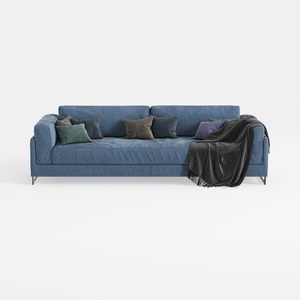
Modern Blue Fabric Large Sofa With Throw Pillows And Blanket 3D Model


Looking for a straightforward way to design your home? Try Homestyler! With its user-friendly online design tool, impressive 3D rendering, and a rich collection of design projects and DIY tutorials, you can effortlessly bring your vision to life and transform any space with ease.
Design jetzt kostenlos
































