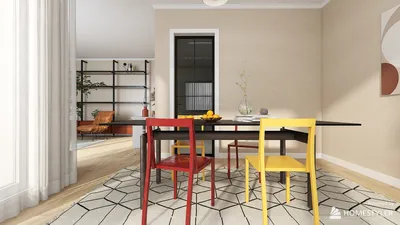


When it comes to designing living rooms, my focus centers on creating spaces that not only look appealing but also feel comfortable. One of my preferred methods to achieve this balance is through the use of tube lighting, which offers clean lines, consistent illumination, and a modern aesthetic. The ultimate goal is to provide layered lighting that enhances daily activities—such as reading, relaxing, or entertaining—while avoiding harsh glare or a flat appearance. Integrating tools like Homestyler can be incredibly beneficial in visualizing these concepts during the design process.
The foundation of comfort lies in measurable performance. According to WELL v2 guidelines, ambient lighting is essential for visual comfort, with recommendations for glare management and appropriate levels of brightness; for living areas, I typically aim for an ambient intensity of about 150–300 lux, while specific task areas may increase to 300–500 lux. It's vital to maintain a Unified Glare Rating (UGR) under 19 around seating to minimize eye strain. Research from Steelcase supports the idea that well-balanced lighting contributes to a higher perception of wellbeing and engagement, underscoring the importance of calibrated ambient and task lighting layers for both behavioral and aesthetic purposes.
The Impact of Tube Lighting on Living Spaces
Tube lighting fixtures, which can be either linear LED or slim fluorescent types, provide soft, continuous illumination that eliminates uneven shadows. They are particularly effective for highlighting textured walls, showcasing millwork, and defining circulation areas. I utilize these fixtures to create visual rhythm—using horizontal lines to broaden the space, vertical lines to elevate ceilings, and concealed placements to maintain clear sightlines. Their sleek profile allows for easy integration behind valances, inside shelving, or along ceiling coves, enhancing the aesthetic appeal without overwhelming the design.
Specifications to Consider: Color, Output, and Glare Management
In living rooms, I favor warm white lighting in the range of 2700-3000K for a cozy evening ambiance, with the option of increasing to about 3500K for a brighter daytime atmosphere. A Color Rendering Index (CRI) of 90 or above is essential to ensure that skin tones and materials appear natural. It's best to maintain wide beam distribution (90-120°) for ambient settings and opt for microprismatic diffusers or opal lenses to soften light and minimize glare from above. The focus on glare and contrast ratios in WELL v2 aligns well with my design philosophy: I avoid harsh transitions and aim for comfortable wall-to-task contrast to reduce eye fatigue. For those who enjoy game nights or reading, ensuring that task lighting delivers between 300-500 lux at the task plane is critical.
Effective Strategies for Light Placement
Layering different light sources is vital in any design. I begin with perimeter coves or ceiling-mounted strips to gently wash the walls, then supplement with localized lighting beneath shelves or media units for added accents. Installing vertical tube lights flanking a fireplace or artwork can create depth without introducing harsh bright spots. Fixtures should be positioned out of direct sightlines from where people sit, striving for indirect or shielded perspectives. When planning seating arrangements and focal points, utilizing a room layout tool such as Homestyler can simulate light spill and brightness gradients before finalizing your design.
Finding the Right Balance Between Brightness and Ambiance
The best living rooms can adapt moods seamlessly. I recommend incorporating dimmable drivers (either TRIAC or 0-10V) and pairing tube lights with smart controls to create scenes like “evening unwind” at around 30% brightness, “reading” at about 70% around seating, and “entertain” set to roughly 50% with accent lighting. It's crucial to maintain color consistency across fixtures; mismatched correlated color temperatures (CCT) can result in unattractive wall appearances. If your furnishings have glossy finishes, it's advisable to lower lighting output slightly and rely on indirect light to minimize glare.
Considerations for Human Comfort, Behavior, and Visual Harmony
People naturally gravitate toward areas with warm, uniform lighting and a distinctly clear hierarchy of focal points. I deploy tube lights to establish gentle transitions in brightness: brighter near active areas (like coffee tables or consoles) and softer lighting towards the edges of the room. Achieving visual balance hinges on proportional lighting design—longer runs along longer walls, with shorter accents to punctuate corners and niches. Avoiding perfectly symmetrical placements is essential, as the lighting should complement the seating arrangement rather than dictate it.
The Role of Color Psychology and Finish Pairing
Warm white light (2700-3000K) pairs beautifully with earthy tones, tan leather, and walnut finishes, while cooler lighting at 3500K can enhance shades of blue, gray, and concrete. According to insights from Verywell Mind regarding color psychology, warmer shades promote comfort and relaxation, making them an excellent choice for evening use. My approach typically involves blending warm tube lighting with neutral task lights to retain clarity without feeling overly stark. Utilizing matte wall paints can diminish glare and enrich the texture of light, while satin finishes can shimmer gracefully under grazing light for a touch of drama.
Acoustic and Material Implications
Lighting not only affects aesthetics but also influences acoustic perceptions. Hard surfaces can amplify both brightness and noise; therefore, incorporating textiles, rugs, and upholstered panels can help soften the space, preventing tube lights from accentuating any harshness. It's important to select aluminum extrusions that ensure effective heat management while also using low-flicker drivers, ideally those with a high PWM frequency or constant current, to combat visual fatigue. For sustainable design choices, consider LED tubes with replaceable drivers and recyclable housings, keeping lumen maintenance (L70) in mind for longevity.
Considerations for Ceiling Heights, Proportions, and Visual Rhythm
For rooms with ceilings below 8.5 feet, it's best to use narrow tube runs positioned closer to the edges, allowing indirect cove lighting to create an illusion of height. In taller spaces, I suggest combining horizontal cove lighting with vertical tubes on the walls to anchor the scale effectively. Maintaining consistent dimensions—like 4-6 inches from wall edges for grazers—ensures clean lines. Working in thirds can be a successful strategy: establishing one ambient layer, one accent layer, and one task layer for a balanced composition that avoids excessive illumination.
Installation Best Practices and Safety Considerations
Planning is crucial: ensure that junction points and access to drivers for maintenance are easily reachable, avoiding any sealed cabinetry that might trap components. Confirm the electrical load, compatibility with dimmers, and ensure ventilation around fixtures. When mounting near fabrics like curtains or bookshelves, always maintain safe distances and use low-heat LED tubes to mitigate fire risks. Testing your lighting scenes at both night and daytime conditions is also essential, as your eyes may pick up on glare from unexpected angles.
Preparing for Future Needs: Controls and Integrations
Incorporating smart dimmers, tunable white lighting options (ranging from 2700 to 4000K), and zoning controls allows your living room to adapt to various times and activities throughout the day. I categorize circuits based on their functions—ambient lighting for the perimeter, verticals for accent, and task lighting for nooks—so adjustments can be made effortlessly. Pre-set configurations for guests or daily routines are beneficial, especially when integrating lighting with motorized shades for optimal daylight balance.
Frequently Asked Questions
Using 2700–3000K warm white light fosters a cozy atmosphere suitable for evening settings. For cooler palettes or a crisper daylight feel, 3500K remains a viable option for a home-friendly environment.
Aim for an intensity of 300–500 lux at the task area near seating arrangements. Pair ambient linear light with dedicated task lighting to minimize glare and shadow effects.
Directly aimed fixtures can create unwanted glare if not positioned wisely. Plan to place linear fixtures behind valances or use them for indirect lighting, keeping brightness out of reflective angles like those seen on TV screens. Employ dimmers during movie nights for the best experience.
Absolutely—maintaining a CRI of 90 or above ensures that fabrics, wood tones, and skin tones remain true to life. Lower CRI lighting can dull materials, making them appear off-color.
Definitely. Tube lighting serves well for ambient or perimeter lighting, while pendants provide focal points, and lamps create intimate pools of light for tasks.
By utilizing warm CCT, dimmable options, indirect lighting, and varied textures, you can achieve a cozy atmosphere that avoids looking sterile. Adding accent lighting in verticals enhances depth rather than flat brightness.
Tube lighting is excellent for providing flexibility throughout the day. Setting cooler tones during the day enhances clarity, while warmer hues in the evening promote relaxation.
Consider low-profile surface or recessed channels along perimeters, under shelves, and within cove areas. Keeping fixtures out of direct sight promotes a clutter-free look.
Indeed, minimizing flicker is crucial for reducing eye strain and headaches. Seek drivers with high-frequency PWM or constant-current options to ensure comfort and verify they work with your dimmers.
Generally, fixtures should be placed 4-6 inches from the wall edge and utilize opal diffusers to achieve a soft, uniform glow without creating bright spots.
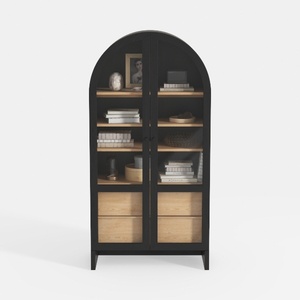
Minimalist Black Oak Arched Glass Display Cabinet 3D Model

Minimalist Boucle Fabric Tufted Sofa 3D Model
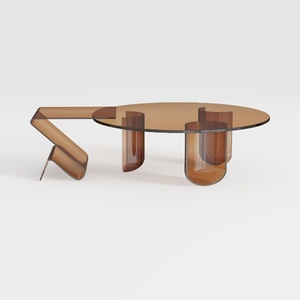
Round Coffee Table Modern Glass Coffee Table with
Homestyler is your go-to online home design platform, perfect for all skill levels. Its user-friendly design tool allows you to create stunning layouts with ease, supported by impressive 3D renderings. Explore inspiring design projects and enhance your skills with DIY video tutorials—transform your home today!
Design Now for FREE
































