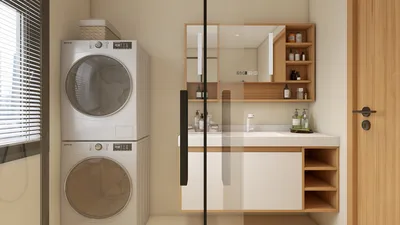


I have relied on track lighting in numerous living rooms due to its blend of versatility and a neat, contemporary design. Beyond visual appeal, the appropriate configuration of track lighting can significantly enhance comfort and bring out the character of the room. In living areas that shift from reading to hosting guests to binge-watching, features like adjustable heads, dimmable drivers, and varying beam spreads prove to be essential. Homestyler can help visualize these adjustments effectively.
Performance studies support a layered lighting approach. According to the Illuminating Engineering Society (IES), ambient lighting in living rooms should ideally range from 10 to 20 foot-candles, with task areas benefiting from illumination levels of 30 to 50 foot-candles. Combining track-mounted accent heads (typically producing 15 to 25° spot beams) with softer ambient light helps achieve these targets while minimizing glare. Additionally, the WELL Building Standard v2 emphasizes glare reduction and flicker control for visual wellness by recommending luminaires with low Unified Glare Ratings (UGR) and reliable drivers; I prefer using heads with a CRI of over 90 and flicker-free dimming to maintain true colors and visual comfort. Warm color temperatures (2700-3000K) are noted by Verywell Mind as enhancing relaxation, which is perfect for unwinding in the evenings.
Living rooms often serve multiple functions: cozy discussions, entertainment zones, reading corners, and decorative shelving all vie for attention. Track lighting systems play a crucial role in establishing visual hierarchies—where do you want the viewer's focus to land first? A precisely aimed accent light at a 3:1 contrast (considered against its backdrop) adds depth to art and textures without overwhelming the space. In practice, I position the heads at an angle of 30° from vertical to diminish harsh highlights on glass frames and prevent shadows from obstructing views.
Strategize Your Track Configuration
Begin by analyzing circulation patterns and seating arrangements, then set the tracks to cater to these areas instead of haphazardly cutting across the ceiling. When developing a new plan, utilizing a layout simulation tool like Homestyler can assist in visualizing sightlines, focal areas, and mounting locations prior to installation: Homestyler.
Layered Lighting Composition: Ambient and Accent
I design living spaces with three primary layers: ambient (overall illumination), accent (highlighted focal points), and task (specific areas for reading or hobbies). For ambient lighting, consider using linear track systems equipped with wide flood heads (40-60°) reflecting off lighter ceilings to soften the perceived brightness. Accent lighting should target artworks, textures, or built-in features; maintaining tighter beam spreads (12-25°) and consistent aiming angles is key. For task lighting next to a lounge chair, I prefer a 3000K head with a beam spread of 25-35° and individual dimming capabilities to preserve the room's ambiance.
Choosing the Correct Heads and Beam Angles
Beam spread can influence the atmosphere. Narrow spots (10-15°) create striking contrasts and relief from shadows; flood optics (36-60°) help balance overall lighting. For an art gallery effect, use a 10-12° head positioned about 1.5 to 2 times the width of the artwork, angled at 30°. When needing uniform light on bookshelves, employing two 36-40° heads positioned at opposing angles can minimize uneven lighting patterns. It's crucial to verify the field angle, not just the beam angle, to ensure edge softness.
Color Temperature Effectiveness
Color temperature significantly influences mood. A setting of 2700K feels cozy and inviting; a 3000K temperature offers clarity while maintaining warmth; 3500K presents a modern, crisp impression. To maintain depth, keep accent heads slightly warmer than ambient lighting. When mixing color temperatures, restrict to one-step distinctions (like 2700K and 3000K) to maintain visual harmony. High CRI ratings (≥90) guarantee that wood tones, fabrics, and skin appear natural and true.
Dimming Features and Scene Customization
Smooth dimming functions as the secret element in creating a cozy atmosphere. Scene presets such as Conversation, Movie Night, and Reading provide tailored responses from the living room's lighting. Opt for drivers that ensure flicker-free dimming throughout their range and compatibility with control systems (0-10V, TRIAC, or smart setups). Keeping accent heads on a dedicated circuit or smart group allows you to lower ambient lighting while highlighting key features.
Glare Mitigation and User Comfort
Ensuring visual comfort is essential. Utilizing deep regress, snoots, or honeycomb louvers can shield the light source from direct sight. It’s best to avoid mounting tracks right above seating areas where viewers might gaze into the beam; offset and angle the heads so the brightness does not fall directly into sightlines. Employing matte finishes on adjacent surfaces helps diminish secondary reflections. Adhere to IES guidelines on uniformity to avert hotspots and visual fatigue.
Ceiling Variations and Installation
Ceiling types such as open joist, vaulted, or low designs necessitate different strategies. For ceilings lower than 8 ft, compact heads with tighter optics prevent light spill and maintain control. In vaulted areas, employing gimbal heads with wall-wash accessories can help in achieving an even wash in light. For exposed structures, surface-mounted tracks can become a design feature; opt for color-coordinated rails to maintain visual clarity.
Aesthetics of the Hardware
Track lighting can reflect a sleek or industrial vibe. White slimline tracks visually recede against painted ceilings, whereas black tracks complement modern lofts and emphasize linearity. Keep hardware consistent with existing metal finishes; if the space contains brushed brass accents, opt for warm-toned heads or trim rings to create cohesive design. Cable-suspended monorails can add an artistic touch in spaces with ample height.
Art Display, Shelving, and Textural Elements
Art installations benefit from controlled angles and consistent lighting levels. Aim for uniform illumination across artwork; if glass is involved, the 30° angle rule minimizes glare. For bookshelves, staggered aiming avoids the direct spotlighting effect. Utilizing grazing techniques with narrow spotlights located near textured walls—such as brick or grasscloth—can highlight depth without flattening the effect.
Acoustic Considerations and Material Selections
The intersection of lighting and acoustics is often overlooked. Glossy surfaces can amplify reflections and perceived brightness while also bouncing sound. If installing multiple tracks, balance your scheme with acoustic elements like rugs, curtains, and upholstered furniture to foster a serene environment. Select finishes for heads and rails that won't create distracting reflections under load.
Eco-Friendliness and Upkeep
Select LED heads with replaceable optics to prolong their lifespan and reduce environmental impact. Opt for high efficacy ratings exceeding 90 lm/W where possible and ensure long-lasting outcomes. Regular maintenance, including quarterly dusting of lenses and rails, will help sustain brightness while reducing glare from cumulative dirt. Keep spare heads and accessories readily available to adapt to ever-changing furniture layouts.
My Trusted Design Process
My design workflow is straightforward: first, define focal points, then layout circulation, establish ambient goals, layer in accent lighting, and finally incorporate task-specific heads. I confirm beam overlaps and aiming angles through a brief visualization via design software like Homestyler before settling on circuits and lighting scenes. This extra measure prevents uneven illuminance and misaligned fixtures down the line.
For guidance on illumination goals and glare control, I rely on IES standards tailored for residential living spaces. The WELL v2 framework provides guidelines on glare, color rendering, and flicker metrics, enhancing visual wellbeing. Also, insights on color effects from Verywell Mind are helpful in establishing a comforting warmth for relaxation settings. See: IES standards; WELL v2.
Advisory 1: Compact Living Rooms
Utilize shorter tracks featuring fewer, high-efficacy heads. Maintain focused beams and use reflections for ambient lighting. Arrange tracks to run parallel with the longest wall to visually elongate the room.
Advisory 2: Media Walls
Refrain from directing lights onto screens. Lower ambient lighting to 5-10 foot-candles during viewing and keep soft accent lighting on peripheral walls to lessen eye strain.
Advisory 3: Open-Concept Spaces
Distinguish zones through varied lighting scenes rather than physical barriers. Group conversation and dining tracks separately to enable independent adjustments.
Advisory 4: Precision in Aiming
Label heads corresponding to targets (e.g., Art 1, Shelf L, Nook) and log their angles for efficiency. This saves valuable time during seasonal updates or furniture rearrangements.
Advisory 5: Consistency in Color
Ensure you utilize LED modules from the same manufacturer to maintain uniform color performance and dimming accuracy across all heads.
Frequently Asked Questions
Q1: How bright should lighting be in my living room with track fixtures?
A1: Target an ambient brightness of 10-20 foot-candles and 30-50 foot-candles for designated task areas, adhering to IES recommendations. Accent elements can be showcased at about a 3:1 contrast ratio with their surroundings.
Q2: What color temperature is most suitable?
A2: For relaxation, 2700-3000K is optimal. 3000K offers a clearer, more contemporary feel, while keeping accent heads equal to or slightly warmer than ambient lighting helps preserve depth.
Q3: How can I mitigate glare with track lighting?
A3: Choose heads with deep recess or attach snoots and honeycomb louvers, aiming them at about 30° to the target, and avoid placing heads directly within the sightlines from seats. WELL v2 emphasizes strategies for glare control and flicker reduction to enhance comfort.
Q4: Which beam angles should I select?
A4: Consider using 10-15° for bold art highlights, 25-35° for reading and focused tasks, and 36-60° floods for broader ambient light. Always confirm field angles to account for edge softness.
Q5: Is track lighting effective for low ceilings?
A5: Definitely. Opt for compact heads and tighter optics to maintain control over spill. Position tracks along walls to reflect light upwards and enhance perceived brightness without glare.
Q6: How do I merge track lighting with my smart control system?
A6: Choose drivers compatible with your smart technology (such as 0-10V, TRIAC, or smart hubs). Keep ambient and accent heads on separate groups to allow seamless transitions between scenes—like Conversation, Movie Night, Reading—all with ease.
Q7: Will track lighting complement my room's overall style?
A7: Track lighting comes in both minimalist and industrial styles. Match the finish of the rails and heads to your existing hardware, and select slim profiles in lighter colors for a more subtle presence.
Q8: What should I consider regarding energy efficiency and upkeep?
A8: Choose high-efficacy LED heads (aiming for ≥90 lm/W when possible) with long lifespans. Regularly clean lenses and keep extra heads or optics available for future layout adjustments as needed.
Q9: How do I illuminate a gallery wall effectively without creating glare?
A9: Space the heads strategically to avoid overlapping hot spots, aiming each at 30°, and choose narrow to medium beam widths (12-25°). When framing artwork behind glass, adhering to the 30° rule minimizes reflective glare.
Q10: Can track lighting enhance acoustic properties?
A10: Indirectly. While the lighting itself does not absorb sound, pairing it with softer elements such as rugs, drapery, and upholstery can reduce both visual and auditory harshness, contributing to a more tranquil atmosphere.
Homestyler's roots trace back to Autodesk, the global leader in design and engineering software. That heritage lives on in every feature we build. Today, with a community of more than 18 million users worldwide, Homestyler continues to make professional-quality interior design accessible to everyone — from first-time decorators to seasoned architects.

Modern Marble Brass Wall Lamp 3D Model
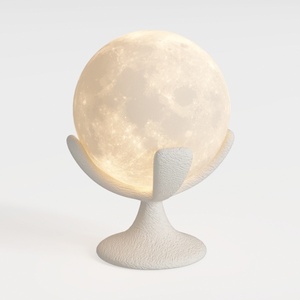
Minimalist White Resin Moon Shape Table Lamp 3D Model


Luxury Vintage Ornate Brass Wood Table Lamp 3D Model
Homestyler is the ultimate online home design platform, perfect for transforming your creative ideas into reality. With an intuitive design tool, stunning 3D renderings, a wealth of design projects, and engaging DIY video tutorials, you'll be inspired to create your dream space effortlessly.
Concevez maintenant gratuitement
































