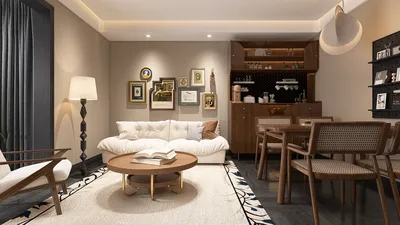


I appreciate tile tabletops for their exceptional blend of durability, geometric appeal, and vibrant color options. A tiled surface not only withstands heat but also cleans effortlessly, allowing me to design patterns and tones in ways that a single slab cannot. Before diving into the project, it’s crucial to lay out a clear plan, considering base materials, tile types, layout designs, edge treatments, and sealing methods. In both workplace and home environments, hard, shiny surfaces can shape how spaces are used and perceived. Research from Steelcase shows that visual order and clarity of materials can enhance focus and satisfaction in areas designated for tasks. Additionally, WELL v2 highlights the importance of using low-VOC materials and ensuring the ease of cleaning for a healthier interior, all of which tiled finishes can support, especially when utilized with compliant adhesives and grouts, such as those available from Homestyler.
Choosing the right colors is essential. According to insights from Verywell Mind regarding color psychology, shades of blue and green are associated with calm and restorative feelings, whereas rich warm tones can invigorate social spaces. Practically speaking, a tranquil, muted palette is ideal for a reading nook, while a more vibrant mosaic enhances dining or coffee tables, where the setting encourages conversation and sharing food. It’s important to take into account both natural and artificial lighting conditions: IES suggests that ambient lighting levels around 200–300 lux are optimal for accurately displaying tile colors without glare, indicating that glossy tiles often require softer, diffused lighting to prevent hotspots.
Establish the Base and Proportions
Begin with a robust and stable substrate; I generally opt for 3/4" exterior-grade plywood, reinforced with cement backer board, to improve moisture resistance and enhance tile adhesion. It’s important to double-check the proportions of the table before making any cuts: for coffee tables, a height range of 18–20" coupled with a footprint that is approximately two-thirds the length of your sofa ensures comfortable reach and balance. For dining tables, a height of 28–30" and a width of 30–36" accommodates four diners comfortably, ensuring enough knee clearance and ergonomic access. To visualize both footprints and circulation paths effectively, consider using tools like a room layout tool from Homestyler.
Choose Tile: Material, Size, and Finish
Select tiles that are suited for tabletop use. Porcelain tiles are dense, resistant to stains, and less porous than their ceramic counterparts—making them perfect for both coffee and dining tables. Although natural stones like marble offer a stunning aesthetic, they come with higher maintenance demands; diligent sealing is crucial, and some degree of patina is to be expected. For outdoor tabletops, frost-resistant porcelain with a textured surface is an excellent choice as it provides grip. Tile dimensions impact the overall design: larger formats (6"×6" or 8"×8") create a cleaner appearance with fewer grout lines, while smaller (2"×2" mosaics) allow for detailed patterns but require meticulous grout application. Matte or satin finishes reduce glare and fingerprints; conversely, high gloss options dramatically reflect light, potentially increasing the visual complexity of the surface.
Establish the Layout Grid
Draw a centerline and square references on your substrate. Before securing, dry-lay tiles to check margins, cuts, and the flow of the pattern. I prefer achieving balanced cuts at the edges rather than using thin strips on one side. For designs—whether classic stack bond, offset/brick, herringbone, or checkerboard—proportion plays a vital role. A herringbone pattern using 2"×8" tiles provides dynamic movement for compact tables, while a checkerboard format with 6" tiles offers visual rhythm suited for larger surfaces. If you’re incorporating a drop edge or mitered tile edge, pre-calculate the thickness of the tiles alongside the adhesive depth to ensure the tabletop aligns seamlessly with its apron.
Adhesives and Installation
Utilize a polymer-modified thinset for porcelain or dense ceramic tiles—as this choice enhances bonding strength and accommodates slight substrate movements. Apply the thinset using the appropriate notch trowel (typically 1/4"×3/8" for medium-sized tiles) and back-butter larger tiles to ensure consistent coverage. Set tiles with a firm touch to minimize lippage; consider a leveling clip system to keep edges aligned. Ensure uniform joints—normally 1/16" to 1/8" for a polished appearance—and check alignment every few rows. Allow the specified curing time before beginning with the grouting process; shortcuts taken here often result in issues like cracked joints or inconsistent sheen.
Grouting, Sealing, and Edge Finishing
The color of the grout is crucial for the final visual impact. Using grout that matches the tile creates a seamless appearance, while contrasting grout highlights geometric patterns. For tabletops, high-performance cementitious grout or epoxy options enhance stain resistance. It’s essential to seal cementitious grout and porous tiles; adhere strictly to manufacturer instructions to comply with WELL v2 low-VOC regulations in your choice of sealants. Edge detailing can elevate the professionalism of the project: consider using bullnose tiles, metal Schluter profiles, or a mitered tile edge. Alternatively, framing the tabletop with hardwood edging slightly raised before sanding flush and finishing with a robust polyurethane or hardwax oil can achieve a refined look.
Color Psychology and Pattern Approach
Consider spaces in terms of zones and intended behaviors. Soft blues and grays create calm environments—ideal for focus and reading. Warm, earthy colors like terracotta and mustard can foster a lively atmosphere around dining and coffee tables. For an enduring style, consider a muted checkerboard pattern (warm white and charcoal) that adapts beautifully across various decor styles from modern to traditional. If you prefer a contemporary vibe, opt for a low-contrast design of matte porcelain in muted neutrals; it provides a serene, architectural feel. Manage visual weight through pattern size: larger tiles simplify small spaces, while intricate micro-mosaics can introduce texture to expansive, light-filled interiors without overwhelming them.
Lighting and Acoustic Considerations
Tiles can be reflective, so finding a balance between ambient and task lighting is key. Aim for layered lighting: diffuse ambient lighting (200–300 lux), warmer task lighting at around 2700–3000K for social tables and neutral lighting at 3500–4000K for work areas to ensure true color representation. Glossy tiles benefit from indirect lighting to avoid distracting glare. Acoustically, tiled surfaces may amplify sound in echo-prone rooms; incorporating soft rugs, upholstered seating, and felt placemats can minimize sound reflections and create a more comfortable conversational environment.
Ergonomics and Practical Use
A well-designed tabletop considers wrist angles, reach, and knee space. For dining surfaces, ensure a minimum width of 24" per person and a depth of 12–15" for place settings. It's important to keep the tile flush with no lip that could snag glassware or devices. If the table doubles as a workspace, consider a satin tile with tight joints; the smoother the grid, the more user-friendly it is for writing and using digital devices. Rounded edges or bullnose profiles can alleviate pressure on arms.
Sustainability and Upkeep
Many porcelain tiles include recycled materials; review Environmental Product Declarations (EPDs) and certifications. Utilize low-VOC adhesives and sealants to align with WELL guidelines regarding material health. Daily maintenance is straightforward: using pH-neutral cleaners, soft cloths, and promptly addressing spills from deeply pigmented foods or beverages is advisable. Reapply grout sealing according to product recommendations to maintain stain resistance. To protect both tile and grout, consider using felt pads beneath serving dishes and trivets for hot items.
Common Pitfalls to Avoid
Neglecting the dry layout can result in awkward edge cuts. Underestimating the amount of adhesive required can lead to hollow areas. Choosing overly glossy tiles without proper lighting consideration can generate visual disturbances under direct LED downlights. Overlooking edge treatments can result in a DIY appearance; it's important to plan your profiles in advance. Finally, ignoring the relationship between lighting and color context could lead to a tabletop that clashes with the overall room aesthetic and ambiance.
Step-by-Step Overview
1) Confirm structural dimensions and base material. 2) Select appropriate tile and grout for your application. 3) Dry-lay tiles and establish your layout grid. 4) Set tiles using the right thinset and spacing. 5) Grout, clean up, and seal appropriately. 6) Finish edges with bullnose, metal trims, or wood framing. 7) Adjust lighting and accessories to minimize glare and enhance comfort.
Frequently Asked Questions
Q1: Which type of tile is optimal for tabletops?
A1: Porcelain is the go-to choice due to its durability and stain-resistance, making it ideal for both dining and coffee tables. Ceramic tiles can work for lighter use, while sealed natural stones offer an upscale aesthetic but typically demand more care.
Q2: How do I avoid grout staining?
A2: Opt for high-performance cementitious or epoxy grout, and ensure thorough sealing. Address spills promptly and clean with pH-neutral cleaners. Adhere to manufacturer VOC guidelines and sealing recommendations consistent with WELL v2 material health considerations.
Q3: What is the best grout joint size to use?
A3: For a refined appearance on tabletops, 1/16"–1/8" grouting keeps the joints tight and easy to maintain. Ensure your tiles are calibrated (rectified) if aiming for very tight joints.
Q4: How do I professionally finish the edges?
A4: Bullnose tiles create a smooth and safe edge. Schluter metal profiles offer a sharp, modern finish. Alternatively, a wooden frame can be used: glue and pin it, then sand flush and finish as desired.
Q5: Can glossy tiles cause glare?
A5: Yes, they can create glare under direct lights. Opt for diffused ambient lighting and consider using matte or satin finishes to mitigate intense highlights. Aim for 200–300 lux in ambient lighting to ensure color accuracy, in line with IES recommendations.
Q6: Is it possible to use mosaics for tabletops?
A6: Absolutely, however, they tend to require more grout maintenance. Mosaics offer intricate designs; ensure you use stain-resistant grout and seal diligently. They’re especially appealing for smaller tables or when you want to introduce texture.
Q7: How do I select colors that complement my room's decor?
A7: Consider the intended use and mood: cool, muted shades bring tranquility, whereas warm tones invigorate. Utilize color psychology principles (such as blues and greens for calmness) and test samples in your actual lighting before making final decisions.
Q8: What height is recommended for a coffee table?
A8: Typically, a height of 18–20" aligns well with sofa seat heights for comfort. Always verify with your seating arrangement to ensure ample knee clearance and ergonomic balance.
Q9: Is sealing necessary for porcelain tiles?
A9: Porcelain generally does not require sealing, while cementitious grout does. Natural stone should always be sealed. Follow product guidelines on timing and reapplication details.
Q10: How can I maintain a smooth surface for writing or using laptops?
A10: Select rectified tiles with tight joints (1/16"–1/8"), and use a leveling system to reduce lippage. A satin finish will facilitate smooth writing and device use without glare.
Q11: What's the best method for planning the table size within my room?
A11: Tape out your proposed dimensions on the floor and assess the flow of movement. For a swift visualization of space usage and clearance, consider using an interior layout planner, like the tools on Homestyler.
Q12: Can I set hot pots directly on the tiles?
A12: Porcelain holds up well against heat compared to many surfaces, but to avoid damaging grout lines and prevent thermal shock, using trivets is recommended when placing hot items, particularly on stone.

Vintage Teal Gold Trim Glass Top Round Coffee Table 3D Model

Modern Glossy Blue Solid Wood Square Coffee Table 3D Model

Modern Minimalist Colored Acrylic Clear Glass Side Table 3D Model
Homestyler is an outstanding online home design platform perfect for anyone looking to transform their space. With its user-friendly design tool, stunning 3D renderings, and accessible video tutorials, you can easily create beautiful designs and explore endless decorating possibilities without any prior experience.
Progetta ora GRATIS
































