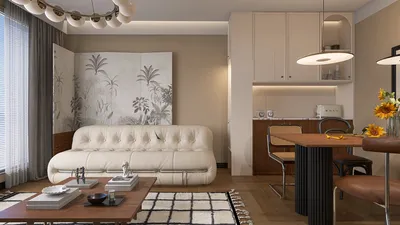


Superior rooms strike an ideal balance: they are larger than standard options, frequently boast improved views, and sometimes feature upgraded finishes, all without the steep increase in price that comes with luxurious suites. As a designer with more than ten years of experience in planning hospitality environments, I prioritize a comprehensive analysis that goes beyond basic labels. I assess aspects such as square footage, lighting quality, sound isolation, ergonomic design, and the performance of materials—factors that contribute significantly to relaxation, productivity, and the overall guest experience, especially when utilizing tools like Homestyler for layout planning.
Light and space are crucial elements in design. The WELL v2 standards underscore the significance of sufficient natural light and appropriately calibrated artificial lighting for supporting circadian rhythms. Adequate illumination and effective glare control are essential for enhancing sleep quality and daytime alertness, as indicated by the WELL Light concept, v2. Additionally, research from Steelcase indicates that environments featuring controllable lighting and minimized glare can boost task performance and comfort, highlighting why a superior room with east- or south-facing windows and dimmable warm lighting often outshines a more expensive but poorly illuminated alternative. For comprehensive planning guidance, refer to the WELL v2 Light guidelines.
While the size of a room is important, the proportions carry even greater weight. I prefer at least 24 to 30 inches of clear space around the bed, ensuring unimpeded access to storage and seating that does not obstruct window lines. Research by Herman Miller emphasizes that adjustable furnishings and ergonomic seating play a critical role in reducing strain and promoting recovery—an aspect that hotels often overlook when designing small seating areas. In my comparisons of superior rooms, I prioritize the clarity of space over mere square footage.
What does 'Superior Room' typically signify?
Hotels employ the term 'superior' to indicate an upgrade from their standard category—often denoting larger space, better views, higher floor positioning, enhanced linens, or renovated bathrooms. As naming conventions vary widely, it’s beneficial to review the floor plans if available and to observe photographs for indicators like ceiling height, window size, and clearance around the bed. If layout information is provided, utilizing a room layout tool can assist in visualizing space and furniture arrangement before making a reservation.
The lighting environment: evaluating natural light, color temperature, and glare
Lighting influences mood and sleep patterns significantly. South or east-facing rooms typically provide brighter morning light, whereas west-facing rooms may lead to afternoon heat and glare unless adequately shaded. For interior lighting, look for diverse sources—ambient lighting (2700–3000K warm white to aid relaxation), task lights for reading, and accent lighting that mitigates harsh contrasts. WELL v2 advocates for balanced lighting levels and glare management, and I also ensure window treatments are dual-layered (sheer plus blackout) for optimal daylighting while maintaining privacy and sleep quality.
Ensuring acoustic comfort: addressing isolation and noise sources
A superior room located on a higher floor might still be impacted by noise from elevator shafts or service corridors. Effective acoustic isolation is characterized by solid-core doors, sealed thresholds, and soft materials that absorb sound. If you’re booking in a bustling area, request a room facing the courtyard and avoid locations near mechanical spaces. While soundscaping—subtle ambient sounds—can help, achieving a genuinely quiet environment remains the benchmark for restful stays.
Focusing on ergonomics and human factors
From a design perspective, the bed height should facilitate a position where knees are approximately at 90 degrees while seated; pillows should promote proper neck alignment. An appropriately sized luggage bench can alleviate strain, and a compact work space that includes an adjustable chair makes checking emails more comfortable without neck discomfort. These ergonomic considerations are crucial for guests on extended stays. Research from Herman Miller and Steelcase frequently highlights the negative consequences of poor ergonomic design, including fatigue and discomfort.
Bathroom quality and material choices
Many hotel superior categories are distinguished by upgraded bathrooms. Look out for non-slip tile that offers decent traction when wet, well-balanced lighting around mirrors (vertical fixtures positioned at face level outperform overhead-only types), and sufficient counter space. Durable materials—such as porcelain, quartz, and sealed stone—demonstrate longevity and hygiene. Adequate ventilation is vital; foggy mirrors and persistent humidity may indicate insufficient air extraction and potential long-term mold issues.
Examining spatial ratios, layout, and visual balance
Comfort hinges on proportion. I prefer layouts where the bed, seating, and desk form a simple triangle, ensuring unobstructed circulation paths and clear sightlines to the windows. If a layout feels cramped, movable side tables and armless lounge chairs can enhance flow. When hotels introduce statement furniture, it should harmonize with existing elements, repeating textures or colors to prevent visual clutter. To preview a layout, utilizing an interior design planner like Homestyler can reveal potential flow issues before you finalize your decision.
Understanding color psychology and atmosphere
Color significantly shapes the ambiance: soft neutrals with warm undertones typically induce calm, while cooler blues and muted greens evoke sensations of freshness and clarity. Verywell Mind’s insights on color psychology link blue shades with feelings of stability and tranquility, and green with restoration—valuable aspects to consider when reviewing images of hotel rooms. Intense colors are more effective as accents, as walls painted in bold colors can be too stimulating for restful environments. Pair warm lamp light with textured fabrics to create depth without overwhelming the space.
Sustainability strategies that enhance comfort
Rooms boasting efficient window treatments, low-VOC paints, and LED lighting tend to feel better and typically maintain cleaner air quality. Operating windows or well-regulated mechanical ventilation can significantly reduce stuffiness. Initiatives like linen reuse programs, along with functional towel rails (that encourage proper drying), reflect genuine sustainability practices instead of mere marketing rhetoric. Materials with reputable sourcing—such as certified wood and verified low-emission carpets—contribute to lasting quality and air purity.
Emerging trends for superior rooms in 2024–2025
Several emerging trends have been noted: softer 2700K bedside lighting equipped with dimmer switches, acoustic insulation in doors, compact workspaces featuring USB-C and wireless charging ports, as well as biophilic design elements such as natural textures, greenery, or nature-themed artwork. Anticipate an increase in integrated blackout systems and layered window treatments as hotels strive to improve sleep quality further. While smart controls are becoming more widespread, manual overrides will remain essential for user comfort.
Tips for analyzing listings and making informed choices
My approach involves a straightforward checklist: confirm the floor level, direction, and window size; scrutinize images for bed clearance; verify the presence of layered lighting and blackout shades; assess bathroom ventilation and storage; ensure the room has a tranquil view; and examine reviews for complaints regarding noise and temperature. If workspace is essential, check desk dimensions and chair adjustability. When choices are limited, prioritize superior lighting and acoustic quality over minor increases in size—your well-being and mood will reap the benefits.
Frequently Asked Questions
Often yes, but not universally so. The designation lacks standardization. Make comparisons based on listed square footage and photographs that display bed clearance and circulation areas.
Aim for layered warm lighting (approximately 2700–3000K), dimmers, blackout shades, and glare control options. Guidelines from WELL v2 Light stress the significance of balanced illuminance and support for circadian rhythms.
Request rooms on higher floors that are located away from elevators and mechanical rooms. Check reviews for mentions of noise and seek out courtyard-facing rooms in bustling areas.
A compact workspace with a supportive chair, task lighting, and power outlets positioned close to the desk height. Ergonomic seating can help alleviate neck and back strain during brief work sessions.
Non-slip flooring, well-balanced lighting around mirrors, efficient ventilation, and adequate counter space. Sturdy, low-porosity materials indicate hygiene and durability.
Indeed, soft neutrals and muted blue/green tones are generally calming. Bold colors function best as accents. The Verywell Mind overview of color psychology supports these associations.
Smart controls can be advantageous if integrated with manual overrides. Look for intuitive lighting scenes, easy thermostat control, and shades that can be adjusted without needing an app.
Incorporate LED lighting, low-VOC materials, effective ventilation, and responsibly sourced materials to enhance air quality and comfort while minimizing environmental impact.
Absolutely critical. A dual-layer window treatment (sheer plus blackout) effectively manages daylight, privacy, and sleep quality. Poorly designed window treatments can lead to glare and light infiltration.
Prioritize acoustic isolation and light quality over minor size increases. Quiet, glare-free rooms consistently provide a superior experience and functionality.
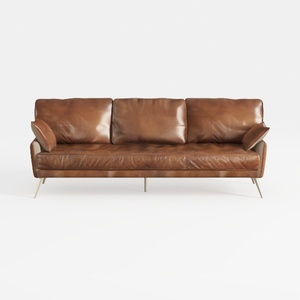
Modern Vintage Leather 3 Seater Sofa With Metal Legs 3D Model
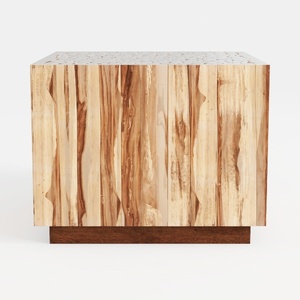


Minimalist Boucle Fabric Tufted Sofa 3D Model
Looking to revamp your home effortlessly? Discover Homestyler! This exceptional online platform offers a user-friendly design tool, stunning 3D renderings, and a wealth of inspiring design projects. Plus, with DIY video tutorials at your fingertips, creating your dream space has never been easier!
Design jetzt kostenlos
































