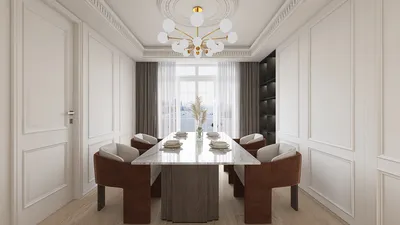


With over ten years of experience selecting tiles for various environments such as residential homes, hospitality settings, and workplaces, I have observed three fundamental elements that define the most captivating spaces: a coherent pattern language, well-considered lighting, and surface materials that cater to the lived experience. Whether your style leans towards artisanal terrazzo, understated limestone, or striking geometric porcelain, effective tile design orchestrates an interplay of scale, grout, sheen, and color temperature, each choice contributing to the overall rhythm and ambiance of the room.
The impact of lighting on tile selection cannot be overstated. Matte porcelain tiles with low reflectance yield optimal performance under ambient lighting around 2700–3000K in living areas, helping to minimize glare. The WELL Building Standard recommends achieving comfortable illuminance levels of 150–300 lux in lounges and up to 300–500 lux in work zones to enhance visual comfort and circadian rhythm; it also advises reducing glare through diffuse light sources and appropriate contrast (source: WELL v2). Research from Steelcase further correlates intentionally designed lighting environments with enhanced focus and overall well-being, highlighting the importance of how light interacts with surface materials to maximize satisfaction in everyday settings. These insights guide the selection of tile finishes—glossy versus satin—based on the room’s function and lighting conditions.
Color psychology plays a vital role in tile selection as well. Per Verywell Mind, cool colors such as blue and soft green foster feelings of tranquility and clarity, while warmer tones like red and terracotta stimulate energy and appetite, making them perfect for kitchens and dining spaces. The scale of tiles influences perception: large-format slabs minimize grout lines and visually expand cramped areas, while small mosaics add texture and density. In open concepts, a harmonious balance of 60–40 between dominant and accent tile areas can prevent overwhelming visuals, whereas a consistent grout color strengthens transitions throughout the design.
Modern Minimal: Expansive Porcelain Designs
For smaller living spaces or condominiums, I recommend specifying 24"x48" or 36"x36" porcelain tiles with narrow 1/16" grout joints. These elongated sight lines create an illusion of a wider area. Selecting a satin or soft matte finish is crucial to avoiding glare from recessed LEDs. Pair these with 3000K ambient lights and 4000K task lighting to uphold a clear contrast hierarchy. In open-plan layouts, a seamless field tile can aid in directing movement; for creating distinct zones, a subtle transition from rectified stone-look porcelain to herringbone plank porcelain in dining areas is an effective strategy.
Warm Mediterranean: Terracotta and Zellige
The charm of handmade terracotta tiles lies in their irregular edges and warm, tactile qualities. I often combine 8" terracotta squares with glossy zellige on a focal wall, where the matte floor draws in light while the glossy wall reflects it. Maintain a neutral grout that is slightly darker than the terracotta to mask wear. Aim for ambient lighting around 2700K to promote warmth, and keep accent downlights at a minimum to prevent hotspots on the zellige’s uneven surface.
Pattern Play: Cement and Encaustic Tiles
Cement tiles feature vibrant geometric designs, such as starburst or arabesque patterns, which can enhance a room when applied thoughtfully as a rug-like area beneath furniture or as a splashback in kitchens. It’s best to limit patterns to 15–30% of the flooring, anchoring the rest with subdued solid colors. For kitchens, opt for slip-resistant finishes (DCOF ≥ 0.42 wet) for safety. Consistent grout lines matching the tile’s lightest tone help to avoid visual fragmentation.
Classic Stone: Marble, Limestone, and Travertine
Natural stone introduces an exquisite depth and veining that only improves with time. Honed finishes are effective for reducing glare and fingerprints, while polished marble is perfect for formal settings with controlled lighting. Align veining direction with the flow of the room—consider bookmatching for focal points or randomizing for a more organic feel. Seal porous stones and select light-reflectance values that resonate with your lighting plan. For acoustic enhancement, pair stone floors with soft textiles and upholstered furniture to reduce echo in larger spaces.
Scandinavian Calm: Wood-Look Porcelain
For those who appreciate the warmth of wood but require a more durable option, wood-look porcelain planks in sizes of 8"x48" or 9"x60" create a gentle, linear rhythm. A 1:3 or 1:4 stagger will minimize lippage, while pale ash or natural oak tones ensure gentle light reflectance. Utilize a satin finish to diffuse light bounce for comfortable evening lighting. In versatile living spaces, utilizing an interior layout planner can assist in visualizing how plank direction impacts flow and the perceived space width—try using a layout simulation tool such as Homestyler for effective visualization.
Bold Geometry: Herringbone and Chevron
Herringbone tiles—made of porcelain, stone, or even thin brick—infuse spaces with dynamic energy. They perform optimally when applied to a single surface (either floor or wall) while keeping other surfaces tranquil. I adjust the angles to match the room proportions; sharper chevron angles in narrow spaces lengthen perspectives, while classic 90° herringbone provides texture without crowding the area. It’s important to maintain consistent edge rectification for clean grout lines.
High-Performance Family Rooms
Durable and easy-to-clean tiles are essential in family rooms. I suggest porcelain with slip ratings of R9–R10 and wear ratings of PEI IV–V to handle high traffic. Patterns with muted speckles or soft terrazzo can disguise crumbs and marks effectively. Acoustic comfort is key: complement hard tiles with area rugs (high pile density) and drapery to control echoes. Keep edges eased for barefoot comfort, and choose low-VOC sealers to minimize indoor pollutants.
Monochrome Mastery: Black, White, and Gray
Monochromatic spaces depend on contrast. I typically ground living areas with warm gray floors, elevating walls with architectural white and using black sparingly for frames and fittings. For black tiles, opt for a fine-grain matte finish to lessen the visibility of dust; for white tiles, tight grout spacing and stain-resistant options will help maintain their appearance. Use directional lighting to craft shadows; track lights designed with glare control will ensure the floor is legible without harsh reflections.
Grout, Edges, and Transitions
The choice of grout color significantly influences the overall aesthetic. A near-match grout offers a calm, cohesive appearance, whereas contrasting grout highlights individual modules and patterns. Regarding transitions between different areas, I prefer minimal thresholds with flush profiles to enhance accessibility. In open designs, align grout patterns with key elements—such as window walls and major furniture—to ensure visual coherence. Thoughtful edge profiles (square, eased, or micro-bevel) impact light distribution and tactile experience underfoot.
Sustainability and Maintenance Considerations
When opting for tiles, seek those made from recycled materials and sourced locally to minimize transportation impacts. Porcelain, with its low porosity, simplifies cleaning and reduces reliance on harsh cleaning products. Ensure natural stone is sealed responsibly and cleaned using pH-neutral products. Durability in materials extends their lifecycle—resulting in less frequent replacements and reduced embodied carbon.
Lighting and Tile Finish: Achieving the Perfect Match
Tiles react uniquely to various lighting sources. Glossy wall tiles can dazzle under angled light, but glossy floors often reveal glare; matte floors are more compatible with diffuse ambient lighting. Aim for consistent color temperatures—maintaining warm living areas at 2700–3000K and kitchens at about 3000–3500K. Follow recognized standards for comfortable illumination levels and glare reduction while planning your layered lighting (see WELL v2 guidance). When creating multiple seating zones, testing layouts with an interior layout planner can be invaluable before finalization, using a room design visualization tool like Homestyler to evaluate flows and tile alignment.
Curated Style Pairings
- Urban loft: concrete-look porcelain paired with a black chevron feature wall, 3000K ambient lighting, and low-gloss finishes.
- Coastal: pale limestone with blue-green mosaic accents, softly lit at 2700K, complemented by natural fiber rugs for acoustic absorption.
- Classic: honed marble with white subway wall tiles, warm 3000K illumination, and polished metal accents.
- Eclectic: encaustic rug area mixed with a neutral field tile, layered lighting, and varied textures for added warmth.
Authority References
For detailed insights into lighting comfort and health-focused guidelines, discover the WELL Building Standard (WELL v2). For surface material and environmental recommendations that can inform residential planning, the research library from Steelcase offers valuable data on light, comfort, and behavior.
FAQ
Q1: What tile finish is ideal for living rooms with large windows?
A: Opt for matte or satin porcelain to reduce glare from natural light. Pair it with 3000K ambient lighting and diffusers to create a balanced contrast and maintain soft reflections.
Q2: How can I create a sense of space in a small room with tiles?
A: Large-format tiles with tight grout joints can help, particularly when laid parallel to the longest wall. Maintain a light neutral palette and consistent grout color for visual continuity.
Q3: Are glossy tiles appropriate for flooring?
A: Glossy floors can reflect concentrated light and show smudges; it's best to reserve gloss for walls. For flooring, select matte or satin finishes that offer sufficient slip resistance (target DCOF ≥ 0.42 wet in kitchens).
Q4: What tile colors enhance relaxation in living spaces?
A: Soft blues, greens, and warm grays promote calming environments, reflecting widely accepted principles of color psychology. These hues harmonize best with warm lighting of 2700–3000K.
Q5: What is the optimal amount of patterned tile?
A: Limiting patterned tiles to 15–30% of the flooring is advisable. Use solid field tiles in the remaining areas to anchor the overall design and prevent visual fatigue.
Q6: What grout color should I select?
A: Select grout that matches the tile for a unified look or contrast it to highlight patterns and geometry. In high-traffic areas, slightly darker grout can help conceal wear.
Q7: How should I approach transitions between tile and other flooring types?
A: Aim for low-profile, flush transitions to retain accessibility and a streamlined visual appearance. Align grout patterns with significant features so the transition appears intentional.
Q8: What lighting levels are suitable for comfort in a living area?
A: Comfortable ambient lighting typically ranges from 150 to 300 lux, with task lighting rising to between 300 and 500 lux in active zones—ensuring glare remains controlled according to human-centered design standards.
Q9: What tiles are best for homes with children and pets?
A: Opt for high PEI-rated porcelain (IV–V) with matte finishes and subtle patterns to effectively disguise scuffs. Pair these with washable rugs for improved acoustic comfort.
Q10: What is the best practice for maintaining natural stone tiles?
A: Seal porous stones and clean with pH-neutral products, while avoiding acidic cleaners on marble or limestone. Re-seal periodically based on usage and manufacturer instructions.
Q11: Can tile orientation affect traffic flow in a room?
A: Absolutely. The orientation of planks and herringbone styles can guide movement patterns. Test different layouts with a room design visualization tool like Homestyler to ensure optimal flow pre-installation.
Q12: What is the ideal color temperature for relaxing in the evening?
A: Warm lighting at 2700–3000K creates a cozy environment and aids in winding down, complementing matte tile finishes that promote low glare.

Discover your home’s potential with Homestyler! This user-friendly online design platform offers powerful 3D rendering tools, a wealth of inspiring design projects, and easy-to-follow video tutorials. Whether you're a beginner or a seasoned decorator, you can effortlessly create and visualize your dream space!
تصميم الآن مجانا
































