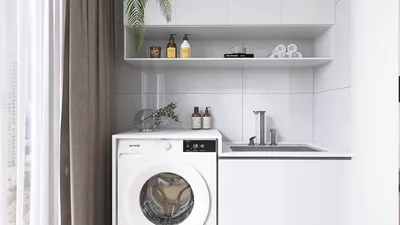


I've always preferred small round breakfast tables for their effortless blend of intimacy and efficiency. In compact kitchens or open-plan layouts, a round table set softens traffic flow, removes sharp corners, and creates a more peaceful morning routine. The shape promotes eye contact and fosters conversation, easily scaling from a bistro-style two-top to a snug four-seat arrangement without overwhelming limited space. Homestyler can help you visualize the perfect fit for your nook.
The functionality of space is crucial. In my professional projects, confined dining areas often need to serve multiple purposes throughout the day: from quick breakfasts to laptop work and evening tea. Studies from Steelcase reveal that small, adaptable environments can boost spontaneous collaboration and user satisfaction when individuals can rearrange spaces as needed. In line with WELL v2 guidelines, positioning tables to maximize daylight can enhance alertness in the morning. For optimal lighting, it's recommended to maintain a casual dining illuminance of 150-300 lux for comfortable visibility without glare, as suggested by the IES.
Thoughtful selections yield benefits. Research from Verywell Mind underscores that warm colors stimulate appetite and foster a sense of social warmth, while cooler tones can reduce visual tension. In smaller areas, I lean towards mid-tone finishes that help prevent visual clutter and adequately reflect light to keep the space bright. For breakfast nooks doubling as workspaces, a 2700–3000K color temperature fosters coziness, while temperatures of 3000–3500K enhance focus without feeling overly sterile. The ideal table diameter ranges from 30 to 36 inches for two, and from 36 to 42 inches for three to four people, ensuring a minimum circulation clearance of 36 inches around the set.
What Makes a Small Round Breakfast Table Effective
Round tables inherently promote democracy—eliminating head positions and awkward corners. In tight settings, their shape allows smoother movement and avoids collisions. I focus on three essentials: correct scale, sturdy base, and durable surface. A pedestal base maximizes legroom and facilitates easy movement in and out, while a traditional four-leg base delivers stability but requires careful spacing to prevent knee clashes. For finishes, choose sealed wood, high-pressure laminates, or sintered stone, which withstand heat and frequent cleaning. Pair them with armless chairs that tuck neatly, ideally with seats at a height of around 17 to 19 inches to match standard table heights (28–30 inches).
Design and Flow in Compact Breakfast Nooks
When designing a nook, align the table's centerline with natural light and keep pathways unobstructed. A small rug can anchor the area, but its diameter should exceed the tabletop by 18–24 inches to prevent chairs from getting caught. If you're experimenting with multiple layouts in a tight corner, tools like Homestyler can help visualize clearances, chair arcs, and lighting directions before making a decision.
Lighting: The Morning Mood Enhancer
Light significantly influences mood during breakfast. I recommend using layered lighting: a dimmable pendant should be hung at a height of 28–34 inches above the table's surface, in addition to ambient indirect lighting to reduce shadows. For glare management, select diffusers or translucent shades and avoid excessively bright bulbs directly in one’s line of sight. Keeping illumination in the recommended casual dining range of 150–300 lux while favoring a CRI of 90+ can make food colors stand out beautifully. If the table also serves journaling or laptop duties, a portable task lamp providing 300–500 lux with a warmer 3000K setting will maintain visual comfort.
Color, Texture, and Comfort from a Psychological Perspective
The most effective small round tables recognize how color influences behavior. Warm wood grains and muted terracotta enhance conversation; soft blues and greige calm the space after a busy morning. Glossy surfaces can cause excessive glare, so I prefer matte or satin finishes. Upholstered seating can soften acoustic harshness in kitchens with hard surfaces, while a cork or wool rug can help reduce noise from dishes, enhancing acoustic comfort.
Material Selection: Durable, Cleanable, and Eco-Friendly
Breakfast areas are prone to daily spills and heat. Oak and ash with robust finishes age gracefully, while walnut provides depth but requires diligent sealing. For easy cleaning, laminates and compact laminate surfaces resist stains; sintered stone is nearly non-porous, capable of withstanding heat from hot mugs. When sustainability is a concern, pursue FSC-certified wood and low-VOC finishes. For a touch of shine, select brushed metal accents instead of highly polished chrome to avoid glare and fingerprints.
Ergonomics and Human-Centric Design
Comfort relies on proportionality. A table height of 28–30 inches supports neutral wrist angles during meals and light typing. Seat depths ranging from 16–18 inches cater to short sittings without leading to slouching. Aim for at least 24 inches of width per person and 12–15 inches clearance for knees beneath the apron. Pedestal bases should have a broadly stable footprint; a base that's too narrow can cause wobbling, while one that's too wide can obstruct foot movement. Chair weight also matters; lightweight frames facilitate easy movement in tight areas.
Spatial Dynamics and Visual Harmony
Round tables benefit from companions with rounded or soft edges—think globes, drum pendants, or circular rugs. Maintain rhythm by repeating curves in different scales and balance with one linear element, such as a slender console or bench, to create visual interest. If the nook is situated in an open layout, let the table stand out against a more subdued backdrop: a calming wall color and a modest pendant light help maintain clarity in visual hierarchy. Asymmetrical designs can enhance visual balance; offsetting art or placing a lone plant can effectively break the symmetry of a centered table.
Styles and Finishes That Complement Any Home
- Scandinavian: natural oak top, white pedestal, wool seat pads, and a soft oatmeal rug.
- Modern Minimal: matte black round top, slender metal pedestal, armless molded chairs, with a warm dim drum pendant.
- Transitional: stained wood tops paired with upholstered chairs in linen, aged brass accents, and textured neutral wall coverings.
- Bistro Chic: marble-look tops, bentwood chairs, striped rugs, and fluted glass pendants.
Placement Strategies in Real Living Spaces
In galley-style kitchens, position the table near a window while ensuring the working triangle remains unobstructed—avoiding chairs that cross into prep zones. In studio apartments, consider a 36-inch round table as a dining island and place a compact bench against the wall to maximize space. Bay windows naturally lend themselves to circular nooks; position the table centrally to balance chair arrangements and elevate a small pendant light to keep sightlines clear.
Enhancing Functionality: Storage and Versatility
A small round table with a drop-leaf feature can expand from 30 to 42 inches in seconds. Nesting stools provide extra seating without adding visual bulk. A slim wall shelf can serve as a service area for carafes and chargers. For tech-savvy mornings, consider integrating a tabletop grommet with a fabric sleeve to manage cables and maintain a clean aesthetic.
Reducing Echo in Hard Surface Kitchens
Kitchens often face echo issues; small measures can make a difference. Soft seating, a rug with a soft underlayer, and felt pads under chairs can mitigate noise. Opt for pendants featuring fabric or wood shades to soften sharp reflections. If the nook is located near a stairwell, textile wall hangings or cork panels can control echo without compromising aesthetics.
Care, Maintenance, and Longevity of Furniture
Regularly clean surfaces with mild soap and a soft cloth to preserve finishes. Coasters should be used on porous materials; occasionally rotating seating positions can help distribute wear. Conduct seasonal checks on pedestal bolts, as looseness can lead to wobbling and hastened wear. Choose performance fabrics with stain-resistant treatments for upholstered seating to ensure durability in everyday use.
Frequently Asked Questions
Q1: What diameter is best for accommodating two individuals?
A round table measuring 30–36 inches is ideal for two people while maintaining adequate circulation space.
Q2: What kind of space should I allocate around the table?
Aim for a clearance of at least 36 inches to ensure easy movement; 42 inches is ideal if space allows.
Q3: Which is more stable for seating—pedestal or four-legged tables?
Both designs offer stability; a well-crafted pedestal provides ample legroom while four legs spread weight effectively. Look for a broad base and good-quality joints.
Q4: What is the recommended lighting level for breakfast settings?
Casual dining is most comfortable with an illumination level of 150–300 lux per IES recommendations; adding dimmers allows for mood adjustments and glare control.
Q5: Which colors and finishes enhance appetite and social warmth?
Warm woods, terracotta, and soft neutral tones foster social warmth, while cooler blues can soothe visually busy kitchens, as supported by insights from Verywell Mind.
Q6: Are round tables suitable for multi-use spaces in small apartments?
Absolutely. Their lack of corners facilitates flow, and a 36–42 inch round table can accommodate breakfast, work tasks, and light crafts without dominating the space.
Q7: What types of chairs are best for space-saving?
Armless chairs that fully tuck in, featuring slim frames and low weight, minimize spatial needs and ease movement.
Q8: What is the ideal height for pendant lighting above the table?
Typically, pendant lights should be positioned 28–34 inches above the table to provide even light and avoid glare while keeping good sightlines across the table.
Q9: What size rug is appropriate under a small round table?
A rug should extend 18–24 inches beyond the edges of the tabletop, ensuring that chairs remain fully on the rug even when pulled back.
Q10: How can I minimize noise in a hard-surface kitchen?
Implement upholstered seating, a generously sized rug with an underlay, felt pads on chair feet, and pendants featuring fabric or wood shades to absorb and dissipate sound.
Q11: Are drop-leaf tables a practical choice?
Drop-leaf tables are excellent for small homes—they function compactly on a daily basis while expanding for guests—ensuring durable hinges and balanced support when extended is key.
Q12: Which finishes offer the best resistance to stains and heat?
Sintered stone and high-pressure laminates provide superior stain resistance and can withstand hot mugs, while sealed hardwoods perform admirably with routine care.

Modern Minimalist Solid Wood Round Dining Table 3D Model
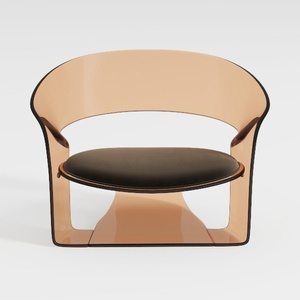

Modern Minimalist Acrylic Leather Accent Armchair 3D Model

Rustic Solid Wood Live Edge Side Table 3D Model
Looking to elevate your home design game? Homestyler offers an easy-to-use online design tool that brings your ideas to life with stunning 3D renderings. Explore inspiring design projects and watch DIY video tutorials to enhance your creativity. Transform your space effortlessly!
Design Now for FREE
































