


When planning small private parties, the ideal environment is one that facilitates mingling, dining, and celebrating without making guests feel cramped or overly exposed. When evaluating potential party rooms, I prioritize aspects such as seating density, acoustics, adjustable lighting, and the flow of service before considering decor. Choosing the right space can significantly increase social comfort and streamline the hosting process, making it feel almost effortless, especially when utilizing tools like Homestyler for visualizing layouts.
To determine the appropriate size for the room, I use a straightforward ratio: allocate 12 to 15 square feet per guest for seated dining, or 8 to 10 square feet for standing cocktail events. Research from Steelcase indicates a correlation between the quality of the environment and levels of engagement and performance—important factors that can be applied to hospitality experiences. Features like good acoustics and ergonomic seating significantly enhance guest satisfaction. Additionally, the WELL v2 guidance underscores the importance of glare control and adjustable lighting for comfort, which is especially relevant in private rooms where various activities may occur throughout the evening. For more on lighting and comfort, refer to the WELL Building Standard at wellcertified.com.
Effective sound management is essential for creating a pleasant atmosphere. The Illuminating Engineering Society (IES) recommends balanced lighting and glare reduction; I strive for background noise levels between 55–60 dBA to ensure conversations remain lively yet clear. If the room has hard surfaces, incorporating textiles and wall panels can help reduce reverberation, fostering better communication among guests while allowing background music to complement rather than overpower conversations.
Top Recommendations for Small Private Party Room Types
• Boutique restaurant parlors (10–20 guests): Perfect for intimate dinners featuring attentive service, often accompanied by preset menus to ensure a smooth dining experience.
• Hidden lounge annexes (12–30 guests): These spaces boast softer lighting, flexible seating arrangements, and are ideal for celebrations such as birthdays, engagements, or networking events.
• Gallery or studio back rooms (15–25 guests): These versatile areas can be styled with themed decor and are suitable for creating memorable photo opportunities or short presentations.
• Hotel library rooms (8–16 guests): These acoustically managed spaces provide a refined atmosphere that is perfect for milestone celebrations, paired with thoughtfully curated bites.
• Wine cellar nooks (8–12 guests): These atmospheric and serene spaces require attention to humidity and scent control, particularly for guests with sensitivities.
Capacity, Comfort, and Flow Considerations
When planning the seating arrangement, it's crucial to maintain a distance of 36–42 inches between circulation paths and tables. For socializing, ensure there are at least two unobstructed pathways from the entry to the bar and from the bar to seating areas. If you are considering different configurations, using a room layout tool like Homestyler can help visualize scenarios and prevent dead zones or bottlenecks.
For optimal comfort, chairs should have a seat height of 16–18 inches and offer back support to minimize fatigue during prolonged dinners. I typically steer clear of high stools unless the event strictly revolves around cocktails, as research consistently supports the link between proper posture and extended enjoyment during gatherings.
Lighting That Enhances Appearance and Dining Experience
Selecting warm to neutral color temperatures (around 2700K–3000K) is essential for flattering both guests' skin tones and the food served, while incorporating dimmable layers of lighting (such as ambient, accent, and candlelight) allows for a shift in atmosphere from the moment guests arrive up until the toast. Glare can ruin both photos and overall comfort, so I strategically position pendant and sconce lighting out of direct sightlines, opting for indirect bounce for even light distribution. The IES advises that a combination of balanced task and ambient lighting improves visual comfort and reduces strain, enabling guests to experience what feels like a warm, inviting light environment.
Acoustic Comfort That Keeps the Atmosphere Alive
In smaller rooms, I seek soft ceiling elements, fabric wall panels, and loose rugs to keep reverberation time (RT60) between 0.6 and 0.8 seconds—not too echoey yet lively enough. Music should remain approximately 10 dB lower than the highest points of conversation. For spaces featuring hard surfaces, solutions like drapery, bookshelves, or upholstered furniture can quickly achieve absorption and diffusion without resorting to visible acoustic foam installations.
Understanding Color Psychology and Atmosphere
A palette featuring neutral bases enhanced by warm accents (like terracotta, rust, or amber) fosters a sense of sociability. Cooler hues, including shades of blue and charcoal, can exude sophistication but may come off as overly formal unless balanced with warm lighting. According to Verywell Mind's insights on color psychology, warm tones often promote feelings of comfort and energy; I balance these with gentle textures to avoid overwhelming visuals. In smaller spaces, patterns should be of a smaller scale to maintain a calm spatial rhythm.
Material Choices and Sustainability Considerations
Opt for durable tabletops that resist heat and stains (like sealed wood or composite stone), along with upholstery made from performance fabrics for easier turnover between bookings. Using low-VOC finishes leads to improved indoor air quality—something noticeably appreciated by guests, even if they can't explicitly identify it. If your event utilizes candles, choose unscented varieties to prevent overpowering the food's aroma.
Booking Strategy: Ensuring You Secure the Ideal Room
• Begin with assessing capacity and layout before focusing on decor. Confirm exact dimensions and seating plans.
• Request a demonstration of lighting controls: ask the venue to showcase different lighting settings and music volume adjustments before making a commitment.
• Confirm logistical details regarding arrival: check for elevator access, coat storage, and designated areas for gifts or cake.
• Request a sample timeline from the venue: a comprehensive prep, guest arrival, courses, toast, and breakdown schedule should be readily available from skilled teams.
• Menu pacing is crucial: for groups of 12 to 16 guests, a three-course meal is best enjoyed within a timeframe of about 90 to 120 minutes, with a brief intermission for speeches.
Food, Beverage, and Service Coordination
Small spaces truly excel with family-style or shared plates, simplifying the dining experience and minimizing plate congestion. For cocktail gatherings, ensure the bar remains within 20 to 25 feet of guest seating to encourage conversational flow. Stagger drink service to avoid bottlenecking at the entrance. If the room's staffing is limited, consider pre-selecting specialty cocktails along with a concise wine list—this provides quicker service and reduces interruptions during the event.
Creating Photo Opportunities and Personalization
Designate a focal backdrop opposite the entry, illuminated with warm accent light, ensuring there is ample depth (about 5 to 6 feet) for group photos. Personal touches such as framed photos, small floral arrangements, or custom menu cards add a unique flair that often surpasses larger props in compact spaces. To avoid visual clutter, keep decor contents under 20% of the visual field.
Checklist: Essential Verifications Prior to Booking
• Verify dimensions, seating capacity, and allowance for standing guests.
• Assess lighting capabilities: availability of dimmers, separate zones, and policies regarding candles.
• Evaluate sound features: check for door seals, music control, and speaker positioning.
• Check HVAC conditions: access to thermostats and identifying any drafts.
• Confirm accessibility: ensuring access to elevators and restrooms, alongside clear paths throughout the venue.
• Storage considerations: evaluate options for coats, gifts, and staging spaces for cakes.
• Review service plans: assessing staff-to-guest ratios, timelines, and pacing of the menu.
• Clarify cleanup protocols and vendor access guidelines.
Tips for Quick Venue Comparison
Outline your guest list and layout first, then compile a list of venues that match your criteria for capacity, lighting, and acoustics. During negotiations, request to discuss minimum spending requirements rather than flat room fees, which often work out to be more accommodating for smaller groups and allow for flexible upgrades.
Tips for Maximizing Layout in Small Venues
Utilize an interior layout planner to test various table setups and circulation paths before finalizing arrangements, particularly for events that involve both seated and standing guests.
Make sure the toasting area is clear of service pathways, and that any entertainment, such as musicians or slideshows, are set away from the entrance to minimize traffic disruption.
Frequently Asked Questions
Allocate 12 to 15 square feet per guest for seated dining and 8 to 10 square feet per guest for cocktail setups to maintain comfortable movement and avoid overcrowding.
For warm, welcoming tones, use lighting temperatures between 2700K and 3000K, and include dimmable lighting layers for adjustments from the welcome phase through to toasts and desserts.
Incorporate textiles such as rugs, drapes, upholstered chairs, bookshelves, and soft ceiling elements to achieve a balanced, inviting atmosphere with controlled reverberation.
Arrange two parallel tables with a clear aisle down the center or configure in a U-shape with the open end facing the focal wall, ensuring a circulation space of 36–42 inches.
Yes, sound can certainly be included but it should remain below conversation levels, targeting around 55 to 60 dBA for ambient noise; clarity should take precedence over loudness.
Adopt indirect lighting techniques, along with shielded fixtures and dimmable accents. Ensure that pendant lights are positioned out of sightlines and consider adding candlelight for warmth.
For smaller venues, family-style dining can stimulate interaction and minimize service congestion, though plated meals work if staffing ratios are adequate and aisles remain clear.
Establish a small designated zone with warm accent lighting for focal points, positioning speakers away from traffic paths, and timing speeches to coincide with course transitions.
Secure bookings four to six weeks in advance for peak nights and two to three weeks ahead for weekday events. Always schedule a walkthrough to assess lighting and sound conditions firsthand.
Research from Steelcase has identified a direct link between enhanced environmental experiences and elevated engagement, while WELL v2 guidelines highlight the significance of lighting quality and overall comfort—both crucial elements for guest satisfaction in hospitality settings.
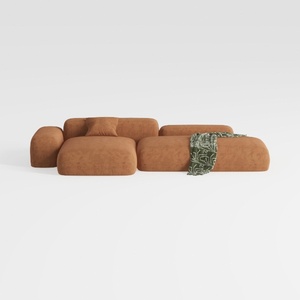
Minimalist Brown Fabric Modular Sectional Sofa 3D Model
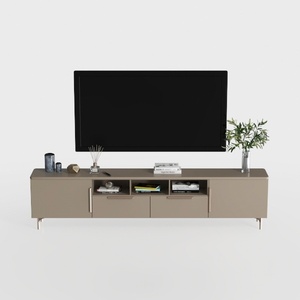

OKD 48" Modern Farmhouse Coffee Table, Wooden
If you're looking to transform your home effortlessly, Homestyler is your go-to platform. Its user-friendly online design tool, stunning 3D renderings, and a wealth of DIY video tutorials empower you to unleash your creativity and execute your design projects like a pro.
今すぐ无料でデザイン
































