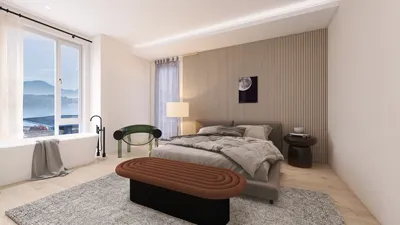


Table lamps serve much more than merely illuminating corners; they orchestrate the atmosphere, direct flow, and highlight key interactions in a living area. I prioritize designs that harmonize aesthetics with functional effectiveness: the right amount of lumens for both task and ambient lighting, inviting color temperatures, and minimal glare. In living environments where reading and conversation take place, a thoughtful layering of side lamps can achieve 300–500 lux in reading areas, while ambient light remains around 100–200 lux, in alignment with common IES illumination standards for residential spaces. Additionally, choosing human-centric lighting options, such as 2700K–3000K warm light, fosters a relaxing evening environment.
The comfort and productivity of seating arrangements greatly benefit from ergonomic lighting solutions. Research from Steelcase shows that visual comfort has a direct impact on cognitive strain and sustained focus: minimizing glare and optimizing light contrasts lessens fatigue and allows for extended, enjoyable gatherings. The WELL v2 framework also stresses the importance of visual comfort through effective glare management and color accuracy; aiming for a CRI of 90 or above on side lamps ensures the true richness of fabrics and artworks is preserved without color distortion. I usually incorporate dimmable lights and softening shades to eliminate harsh bright spots at eye level. To enhance reading comfort, it's advisable to achieve about 150–200 lux of vertical illumination on faces, which aids in maintaining natural conversation without straining the eyes.
The Role of Side Lamps in a Drawing Room
Side lamps act as anchors for design spaces—such as the ends of sofas, cozy reading corners, and console tables—tying furniture pieces into a unified visual design. They create depth by adding light contrasts that highlight textures found in woven rugs, wood grains, or plaster surfaces. For spaces with unconventional seating arrangements, I view side lamps as counterbalancing elements that offset taller bookcases or artworks with dynamic light sources or sculptural bases.
Essential Performance Criteria to Consider
• Light intensity: Aim for a reading intensity of 300–500 lux at the page level, with ambient illumination around 100–200 lux for seating areas. Use ceiling or wall-mounted lights to prevent dependency on a single lamp.
• Color temperature: Opt for 2700K to create a warm, intimate evening atmosphere; use 3000K for a sharper, gallery-like ambiance.
• Color rendition: A CRI of 90 or higher helps represent true colors of fabrics and skin tones; this is vital for accurately showing reds, blues, and wood details.
• Glare management: Select shades made from fabric, parchment, or frosted materials with diffusers; keep bulbs visible from eye level to a minimum.
• Dimming options: Smooth dim-to-warm technology enhances evening comfort and helps transition an area from lively socializing to a relaxed atmosphere.
Decor Styles and Lamp Combinations
• Contemporary minimalism: Features a sleek metal frame, linen drum shade, 2700K LED, dimmable, harmonizing beautifully with walnut and boucle textiles for texture.
• Art deco flair: Highlighted by a ribbed brass base and an opal globe shade at 3000K with a high CRI; this configuration enhances geometric area rugs and glossy furniture.
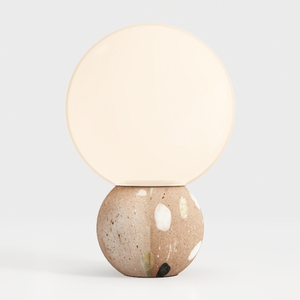
• Sculptural design: Made with a ceramic or stone base featuring an unconventional shape, soft fabric shade, and warm 2700K light; this look is striking against limewashed walls and verdant plants.
• Classic library style: An adjustable pharmacy arm with a directional shade provides focused lighting of 3000K up to 500 lux, perfect alongside leather club chairs.
Size and Placement Guidelines
• Height: Ensure the top of the shade is approximately 54–60 inches above the floor to keep the light source below the average eye level when seated.
• Shade dimensions: A diameter of 14–18 inches is ideal for standard side tables; oversized shades help stabilize the visual balance next to large sofas.
• Base stability: Opt for heavy bases in high-traffic areas; soft felt pads on the bottom protect wooden surfaces.
• Symmetrical versus asymmetrical: Place matching lamps on either side of a sofa for a formal touch; a singular statement lamp beside a chaise lounge can create a laid-back reading spot.
• Pedestrian flow: Maintain a clear space of 24–36 inches for pathways; organize cords neatly to minimize risks of tripping and decrease visual clutter.
Sustainable Materials Choices
I prefer using natural materials—such as linen, paper, ceramic, and solid wood—in combination with long-lasting LED units. Opt for products with replaceable parts as opposed to sealed fixtures, and ensure wood is sourced responsibly. In spaces with delicate finishes, low-heat LED bulbs are recommended to avoid discoloration over time.
Illumination Quality and Atmosphere
Warm lighting around 2700K cultivates a sense of intimacy, while 3000K is better for showcasing artwork and textures with added clarity. For rooms that host evening book clubs or game nights, combining a brighter lamp with two softer lights works well. Employ translucent shades to diffuse light gently and sustain vertical brightness, making face-to-face interactions comfortable.
Visual and Acoustic Comfort
In dynamic drawing rooms, fabric-shaded lamps absorb high frequencies, while textured bases mitigate sharp reflections. To prevent glaring spots, keep glossy metal fixtures out of direct lines of sight. The objective is to create a visually calm environment: inviting, clear, and pleasant.
Utilizing Color Psychology
Light impacts how colors are perceived: warm lighting deepens tones of terracotta, rust, and walnut, while neutral-warm 3000K keeps blues and greys crisp. Very warm lights can dull cooler color schemes, thus finding a balance with neutral accents or selecting high CRI bulbs helps maintain color vibrancy. A pair of brass lamps can add a warm glow, creating a cozy atmosphere without compromising on color integrity when utilizing quality bulb technology.
Smart Controls and Daily Implementation
Smart dimmers enable you to establish scenes for reading, entertaining, or winding down, removing the hassle of searching for switches. For multi-seating areas, I customize layered settings so that corners remain illuminated even while the coffee table area remains bright. Timers paired with sunset schedules can automate the evening glow.
Essential Buying Checklist
• Check lumen output: Expect around 600–800 lumens per lamp for general ambient tasks; add one focal lamp to achieve 300–500 lux for reading spaces.
• Confirm CRI is at least 90.
• Opt for dimmable LEDs in the 2700K–3000K range.
• Evaluate shade opacity and the quality of diffusers.
• Assess switch locations (neck, cord, or base) for user-friendliness.
• Measure table and seat heights prior to purchasing lighting.
Guidelines for Creating Balanced Illumination
When reassessing furniture layouts, I simulate lamp placements to avoid creating dark areas on seating and artwork. A combination of two side lamps positioned on either side of the main sofa, in addition to an adjustable reading lamp near a secondary chair, typically provides uniform vertical lighting. Utilizing a room design tool, like Homestyler, can help visualize lamp distribution and seating sightlines effectively.
Optimal Selections Based on Usage
• Reading-oriented: An adjustable pharmacy lamp fitted with a matte reflector; high CRI, 3000K; narrow beam reaching 500 lux for focused reading activities.
• Ambient-prioritized: A ceramic base with a linen shade at 2700K; offering a wide dispersion for gentle pockets of light.
• Art-centric: Pairs of glass or opal globes equipped with dim-to-warm settings; adding a sculptural element near artwork displays.
• Space-saving solutions: A slim column lamp featuring an integrated diffuser; minimal footprint yet stable.
• Family-ready: A lamp with a weighted base, fabric shade, and shatter-resistant covers for bulbs; along with clips for organized cord management.
Care and Longevity Practices
Dust shades regularly, clean metal and ceramic bases with soft cloths, and use bulbs with the same color temperature to maintain a consistent atmosphere. Keep spare bulbs labeled by CCT and CRI to ensure the room’s tone doesn’t shift after replacements.
Frequently Asked Questions
Q1: What color temperature is ideal for a side lamp in a drawing room?
A: A color temperature of 2700K fosters a warm, cozy ambiance, while 3000K provides a crisper color rendering ideal for displaying art and textiles. Both options complement warm interior schemes.
Q2: What brightness level should a side lamp reach for effective reading?
A: Aim for an intensity of 300–500 lux on the reading surface, which usually translates to a lamp producing around 600–800 lumens with a well-designed shade and diffuser.
Q3: Is it necessary to use high CRI bulbs?
A: Absolutely—using bulbs with a CRI of 90 or above ensures accurate representation of fabrics, wood finishes, and skin tones, preventing unattractive color distortions that can make a space feel flat.
Q4: How can I minimize glare from lamps?
A: Employ fabric or frosted shades, diffusers, and dimmers. Position the lamp’s light source below eye level when seated, aiming for a height of about 54–60 inches at the top of the shade.
Q5: Can side lamps enhance conversational comfort?
A: Indeed. Striving for evenly distributed vertical illumination around faces (approximately 150–200 lux) minimizes squinting and fosters natural eye contact.
Q6: Are smart controls beneficial?
A: If you frequently host guests or enjoy reading, yes, smart controls are advantageous. Scene presets allow for seamless transitions from socializing to quiet reading without adjusting individual settings manually.
Q7: What lamp styles suit modern interiors?
A: Slim metal bodies with linen shades, sculptural ceramics, and opal globes in warm brass or matte black harmonize beautifully with contemporary color schemes.
Q8: How should I position lamps with uneven seating arrangements?
A: Utilize lamps as visual counterbalances—one taller lamp can complement a bookshelf, while a mid-height lamp paired with a chaise can anchor the area.
Q9: Should I invest in dim-to-warm LEDs?
A: If you value the ambiance in the evenings, definitely. These bulbs naturally transition from 3000K to around 2200–2700K as you dim them, replicating candlelight effects.
Q10: What steps should I follow for lamp maintenance?
A: Regularly dust shades, clean bases with soft materials, and replace bulbs with the same color temperature to maintain consistent room tones.
Q11: How many side lamps are necessary?
A: Typically in a drawing room, utilizing two for ambient lighting with an additional focusing lamp for reading is effective. Scale up when dealing with larger spaces to ensure even light distribution.
Q12: Are there safety precautions for families?
A: Select lamps with weighted bases, manage cords along walls or furniture edges, and consider shatter-resistant bulb covers in lively areas.

Discover the ease of home design with Homestyler! This user-friendly platform offers an intuitive online design tool, stunning 3D renderings, and a wealth of design projects. With helpful DIY video tutorials, you’ll find inspiration and guidance to create your dream space effortlessly!
Progetta ora GRATIS
































