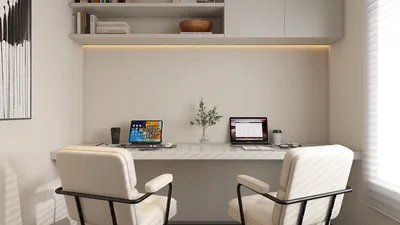


Selecting the perfect venue for a birthday celebration requires more than just assessing its capacity and pricing; it's the intricate arrangement of space, lighting, sound, and movement that defines the ambiance of the event from the initial greeting to the final toast. With ten years of experience in planning social gatherings and designing hospitality interiors, I depend on concrete factors such as light intensity, spatial arrangement, acoustic quality, and the width of pathways to guarantee that the venue enhances the experience, rather than merely housing it. Utilizing tools like Homestyler can greatly aid in visualizing these aspects.
Two key guidelines help me in the initial selection phase. According to WELL v2, maintaining ambient illumination between 100 and 300 lux is ideal for social interactions, while more intense lighting is needed during cake serving or photo opportunities (WELL Light Concept). Research by Steelcase highlights that spaces accommodating various 'postures'—standing, lounging, and seated arrangements—are linked to prolonged engagement and heightened satisfaction during events. I prioritize venues that can adjust zones without causing crowding or excessive brightness, implementing dimmable lighting and movable furnishings to maintain guest comfort.
Acoustic quality is equally important. The IES guidelines on glare management stress the importance of appropriate light levels, but it is often the sound characteristics that dictate whether attendees can converse over background music. Ideally, I target a reverberation time (RT60) of around 0.6 to 1.0 seconds in venues designed for banquets to strike a balance between speech clarity and vibrancy; materials like plush textiles, wall panels, and ceiling baffles play a critical role. For layout assessments—including seating arrangements, dance floor placement, or buffet traffic—I utilize basic simulations with room design software to optimize flow and minimize congestion.
Establishing the Baseline for Capacity and Comfort
Begin by considering your guest list and the preferred event format: a sit-down dinner, cocktail gathering, or a family-style setup featuring games. As a general guideline, I allocate about 12 to 15 square feet per person for seated arrangements and 8 to 10 square feet per person for cocktail settings. Ensuring wider aisles of at least 48 inches aids in smooth movement for servers and guests. If speeches or performances are on the agenda, elevate the stage by 12 to 18 inches for better visibility while preserving a sense of intimacy.
Selecting a Location That Enhances the Experience
Convenience encompasses more than just travel distance. Focus on reliable parking, rideshare drop-off spots, and accessible entrances. Ensuring ADA-compliant pathways, adequate door clearances, and restroom location improves the experience for guests of all ages. Additionally, consider the noise environment: urban venues near busy roads may exacerbate low-frequency sounds; suburban facilities might offer superior outdoor areas for photography or lawn activities.
Lighting Layers: Essential for Setting the Mood
I implement lighting in three distinct layers—ambient, accent, and decorative. The ambient light should be around 150 to 250 lux before dinner, reducing to 80 to 150 lux during dancing, while accent lighting focuses on key areas (like the cake table and photo backdrop) at 300 to 500 lux. Choosing warm white LEDs in the range of 2700 to 3000K enhances skin tones, and I've found that avoiding bare downlights prevents harsh glare and squinting. By utilizing dimmers and following glare control recommendations from IES, transitions from welcoming moments to candlelight can occur without sacrificing visibility.
Sound Design That Encourages Conversation
A harmonious blend of music and conversation is achieved when hard surfaces are complemented by softer elements. In spaces dominated by tile and glass, the addition of rugs, drapes, and cozy seating clusters is advisable. A well-distributed sound system that includes small satellite speakers maintains consistent volume; it's best to avoid using a single overpowering speaker that forces guests to shout. During rehearsal, testing the microphone levels is crucial—optimally, speech should hover around 65 to 70 dB, while dance music can reach peaks of 85 to 90 dB for brief periods without tiring the guests.
Understanding Color Psychology to Set the Atmosphere
Colors convey moods. According to Verywell Mind's color psychology principles, warm tones such as red and orange invigorate energy, while cooler colors like blue and green create a calming effect. For significant birthday celebrations, I often blend neutral backgrounds (like sand and gray) with a vibrant accent color—emerald for elegance or coral for a sense of fun. Younger children are typically attracted to bright primary colors, while adult events benefit from subdued shades and texture variations.
Layout and Flow: From Arrival to the Final Photo
Successful parties present a spatial narrative: a welcoming area with gift collection, main dining space, activity area, and easy access to food and restrooms. The dance floor should remain visible but positioned away from dining areas to avoid displacing those who prefer not to dance. Buffet stations require at least 6 to 8 feet of clearance in front; dessert tables function best at corners to alleviate traffic jams. I often explore layout options using a room design tool like Homestyler to assess path widths and sightlines effectively.
Furniture and Ergonomics
Comfort is essential for prolonging stay. Chairs with a seat height of 16 to 18 inches and supportive backrests are ideal for long events. Round tables (60 to 72 inches) foster discussions; rectangular ones optimize space but may feel too linear. For children's events, mixing low seating with activity mats works well; for elderly guests, ensure sturdy armchairs are available, with restrooms located nearby.
Choosing Materials for Safety and Sustainability
Non-slip flooring in areas with beverages is crucial. Opt for easy-to-clean fabrics, flame-retardant curtains when necessary, and avoid high-gloss surfaces that can cause glare. If sustainability is a concern, inquire about LED lighting, HVAC efficiency, and policies regarding reusable decorations. Utilizing natural materials like linen, wood, and cork not only adds warmth but also helps reduce sound.
Technology and Adaptability
An organized AV setup simplifies the evening: reliable Wi-Fi for live sharing, numerous outlets for entertainers, and careful cable arrangements to minimize fall hazards. The inclusion of dimmer zones, movable partitions, and portable bars permits a smooth transition from speeches to dancing.
Budgeting, Hidden Costs, and Vendor Coordination
In addition to the basic rental fee, verify any security deposits, setup and teardown periods, cleaning charges, and extra service fees. Ensure that catering schedules align with the venue’s loading policies. For halls that serve as blank canvases, remember to consider rentals for tables, linens, staging elements, and acoustical treatments. Having a single point of communication—either the venue manager or a dedicated planner—helps to prevent misunderstandings.
Setting a Timeline and Rehearsal Schedule
Create a detailed schedule: guest arrivals, toasts, cake presentation, the first dance, and group photographs. Conduct sound checks and light adjustments 24 hours before the event. Familiarize yourself with emergency exits and confirm staff responsibilities. Having small-scale rehearsals can prevent significant challenges later on.
Guidance from Authoritative References
For setting lighting standards and managing glare, I refer to IES guidelines, while for comprehensive comfort and lighting advice for social settings, the WELL v2 Light Concept serves as an excellent benchmark. These frameworks assist in establishing measurable criteria for safety and guest satisfaction.
Frequently Asked Questions
For seated events, allocating 12 to 15 square feet per guest is considered comfortable, while 8 to 10 square feet is sufficient for cocktail-style gatherings, provided circulation is managed effectively.
Aim for ambient light levels around 150 to 250 lux for social interactions; use accent lighting at 300 to 500 lux for focal areas, and opt for warm-white tones in the range of 2700 to 3000K for a flattering effect.
Employing evenly distributed speakers at reasonable volumes and adding soft materials can significantly diminish echo; aiming for an RT60 near 0.6 to 1.0 seconds is ideal.
Round tables (60 to 72 inches) facilitate multi-directional conversations; rectangular tables can maximize space but require careful seating arrangements.
For dancing guests, plan approximately 4 to 5 square feet per active dancer; for 50 dancers, around 200 to 250 square feet would be a practical starting point.
Ensure a clearance of 6 to 8 feet for buffet setups, and consider double-sided service; placing desserts at corner stations helps to manage guest flow.
Using a neutral base with a vibrant accent—such as emerald, navy, or coral—maintains elegance while conveying a celebratory atmosphere; tailor saturation levels according to the age group.
If the majority of surfaces are hard, adding soft elements like drapery, rugs, and upholstered seating can substantially enhance speech clarity.
Conduct testing of microphone clarity, music distribution, and lighting transitions at least 24 hours prior to the event.
Ensure compliance with ADA pathways, maintain sufficient aisle widths, offer stable seating options for seniors, and provide clear signage for restrooms and exits.
Be aware of costs associated with setup and breakdown overtime, cleaning services, security deposits, AV packages, and necessary in-house staffing. Confirm all agreements in writing.
Absolutely—utilize a room design visualization tool like Homestyler to explore layouts, pathway widths, and sightlines before finalizing your decision.
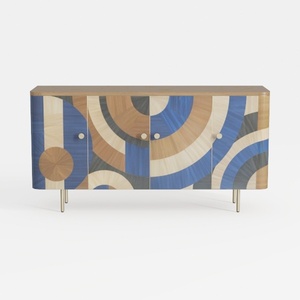
Art Deco Geometric Pattern Solid Wood Sideboard with Metal Legs 3D Model
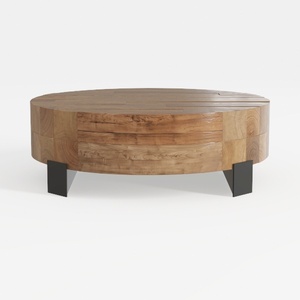

SIMPLIHOME Rayburn Drum Coffee Table - 38 inch
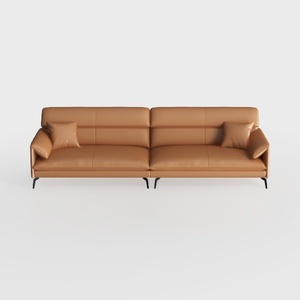
Modern Minimalist Tan Leather Living Room Sofa 3D Model
Ready to transform your home? Homestyler offers an intuitive online design tool that brings your visions to life. Explore countless 3D renderings, engage with diverse design projects, and learn through DIY video tutorials. Perfect for both beginners and seasoned designers, let your creativity shine with Homestyler!
تصميم الآن مجانا
































