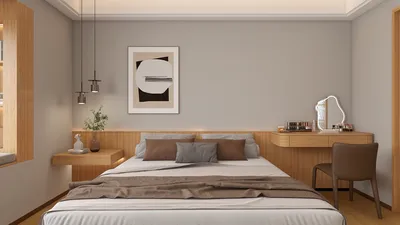


The security of entryways significantly influences the overall ambiance and functionality of any space. When conceptualizing locks, I view them not simply as standalone devices but as integral components that harmonize with safety, flow, and daily practices—spanning from tranquil bedrooms to collaborative offices and hospitality areas. The ultimate goal is to develop a strategy for locks that not only protects individuals but also honors accessibility and seamlessly integrates with elements like lighting, acoustics, and material selection, often utilizing tools like Homestyler to visualize these concepts.
Experiencing safety transcends mere specifications. Research by Gensler indicates that 83% of employees prioritize feeling secure in their workplaces, with physical security emerging as a key motivator for returning to the office. Entry points, particularly door access, serve as critical contact points shaping this perception. The WELL v2 framework’s features regarding Access to Nature and Movement stress the importance of controlled, secure movement, while promoting usability focused on health—minimizing friction and stress during entry is vital. These findings inform my approach in harmonizing mechanical and smart locking solutions, ensuring ease of use and effective emergency egress.
The choice of locks also interacts with aspects of user behavior and lighting. IES guidelines advocate for ample vertical illuminance at access points to enhance facial recognition and minimize errors during engagement with locking mechanisms. WELL v2 also emphasizes the importance of glare management and comfort in contrast—essential for clearly reading status indicators or keypads. For residential projects, I recommend warm neutral lighting (2700–3000K) near sleeping areas to mitigate blue-light glare from smart lock interfaces, while office environments benefit from uniform illumination at 3500–4000K to facilitate both readability and security assessments.
Human-Centered Lock Types
I choose locking mechanisms based on the user's profile, prevailing risks, and lifecycle upkeep requirements:
Accessibility and Ergonomics of Door Hardware
The design of handles, strikes, and proximity can turn a lock into a welcoming or intimidating aspect. Lever handles are typically more ergonomic than knobs, reducing grip strength needed for older adults and children. I adhere to consistent mounting heights (usually 34–48 inches in line with local regulations) and ensure a clearance of 18–24 inches for smooth access. Touchpoints on smart locks should provide easily readable feedback: high-contrast digits, tactile signals, and beeps that are discreet yet recognizable. For shared work environments, complex authentication steps are to be avoided when risks are minimal since cognitive friction can hinder productivity.
Synergy Among Lighting, Acoustics, and Materials
Doors function as micro-environments. I often select matte hardware finishes to minimize glare on keypads and choose door cores with appropriate Sound Transmission Class (STC) ratings relative to their privacy requirements—bedrooms typically benefit from STC 30+, while meeting rooms often aim for STC 40+. Utilizing soft closures and well-aligned strikes can help reduce impact noises that may imply neglect or weak security. Incorporating narrow vision panels in office settings aids in visibility, while ensuring that lighting avoids backlighting to maintain both camera and human recognition effectiveness.
Frictionless Security with Smart Locks
High-quality smart locks should blend seamlessly into their environment. The credentialing options they provide should be adaptable: employing PIN and NFC cards for guests, mobile keys for regular users, while reserving biometrics for situations of heightened risk. I advocate for locks that feature local audit trails and user role definitions, in addition to time-sensitive codes for cleaners or delivery personnel. Battery status indicators should be noticeable without creating visual clutter, and linking with occupancy sensors can mitigate false alarms. Maintaining a quiet operation in sensitive zones is essential; therefore, the acoustic profile of a lock influences perceived quality.
Mechanical Reliability and Safe Design Mechanisms
Even the latest technology relies on sound mechanical designs. I specify reinforced strike plates, through-bolted levers, and faceplates designed to evenly distribute force. Precision in manufacturing is critical: misaligned latches can lead to door bounce, warped seals, and noisy closings that suggest insecurity. Determining between fail-safe and fail-secure lock options depends on egress requirements; in accordance with life safety protocols, exits must remain accessible from the inside. When power is included, it is prudent to incorporate a battery backup or manual override that is easily accessible under pressure.
User Behaviors and Intended Space Usage
Locks dictate usage patterns—who enters, how long they linger, and their comfort when crossing thresholds. In family dwellings, I opt against using keyed cylinders for children's rooms, preferring privacy functions instead. For co-working spaces, I blend secure credentialed areas with open collaboration zones to foster impromptu interactions while minimizing waiting times. In hospitality, structured access is tiered from public to private zones supported by clear visual signage, consistently paired with familiar handle configurations to uphold brand identity.
The Impact of Color Psychology on Lock Signals
Status indicators must align with established color associations: green signifies access granted, red denotes denial, and amber warns of caution. Insights from Verywell Mind on color psychology indicate that red can stimulate urgency, beneficial for indicating denied access but potentially overstimulating when overutilized. I ensure indicator LEDs are compact and diffuse; red is reserved for brief alerts only, using neutral whites for idle states to alleviate user stress.
Sustainability and Material Choices
The finishes we choose for hardware carry implications both environmentally and tactilely. I prioritize low-VOC finishes, enduring Physical Vapor Deposition (PVD) coatings, and stainless steel formulations that can withstand coastal or humid climates. Keeping mechanical core longevity in mind helps reduce replacement frequency; modular smart lock designs enable technology upgrades without the need for complete hardware replacement. Using recyclable packaging and establishing clear maintenance protocols minimize ecological footprints throughout the product lifecycle.
Selecting the Appropriate Lock for Each Space
Align functionality with contextual needs:
Designing Lock Locations and Traffic Flow
In layout revisions, I simulate foot traffic and clearance around doors to avert congestions and delays at badge checks. Utilizing a layout simulation tool allows me to visualize user behavior during peak times and reveal potential conflicts with furniture placement before selecting appropriate hardware.
room layout tool
Integration with Broader Building Systems
Smart locks should harmonize with lighting systems, visitor management, and emergency protocols. In corporate environments, correlating access events with lighting presets can enhance security while decreasing energy usage. Fire alarm systems must disengage power as necessary to maintain egress routes, and privacy modes should never compromise the fundamental safety of occupants.
Regular Maintenance, Audits, and Upgrades
Locks require consistent oversight. I conduct quarterly inspections to check alignment, battery status, and software updates. For mechanical locks, screw torque and latch deterioration must be assessed. In multi-tenant settings, performing access audits allows for the removal of outdated credentials and streamlining user roles—effective governance often provides greater security than any one device can offer.
Trusted References in Authority
For design choices that affect health and user ease, guidance from WELL v2 is invaluable in understanding visibility, sound management, and user engagement throughout access procedures. IES offers practical benchmarks for vertical illumination and glare control at entry points. These frameworks become essential when a lock decision influences the wider human experience at entryways.
Frequently Asked Questions
An ideal privacy lock configuration includes a turn-button on the interior and an exterior option for emergency release, facilitating personal control while ensuring safe access during emergencies and avoiding issues with keyed lockouts.
Indeed, battery-powered options featuring mechanical keyways are suitable. Selecting designs with visible low-battery notifications and local overrides will keep egress pathways unobstructed.
Providing adequate vertical illumination at entry points is crucial for aiding facial recognition and reading access credentials; adherence to IES recommendations on glare mitigation and balanced lighting helps decrease inaccuracies and visual strain.
Use of biometrics should be limited to evident risk scenarios. They can introduce friction and may falter in adverse weather conditions. Generally, homes find greater reliability in utilizing PINs, fobs, or mobile keys.
Lever handles are preferable as they necessitate less grip strength and are more accessible for individuals with dexterity challenges. Pair them with consistent mounting heights and acceptable pull-side clearances for optimal usability.
Ensure proper alignment of latches, utilize quality closers, and implement soft strike shims alongside doors with suitable STC ratings. Avoid disruptive solenoids in areas requiring quietness; the acoustic profile significantly affects perceived safety.
Certainly. Linking access events to lighting settings can help direct movement, conserve energy, and bolster security. It is important to ensure that privacy modes never compromise life safety measures.
Issue time-sensitive access codes or temporary credentials. Maintain local audit trails and promptly revoke guest access when necessary. In hospitality or co-working scenarios, structured roles can alleviate the administrative burdens associated with user management.
Red should be used sparingly since it can instill urgency and stress; confine it to brief alerts indicating denied access, while employing neutral indicators for non-active states.
Yes, for exterior doors or zones experiencing high traffic, where durability, alignment, and smooth operation are pivotal. Mortise locks provide robust protection and extend the lifespan of hardware.
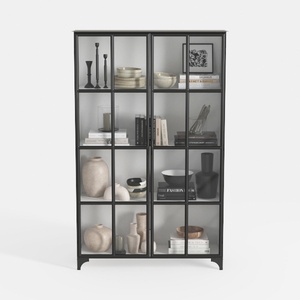
Triple Wide 5-Tier Bookshelf, 70.87" L x 79.13" H
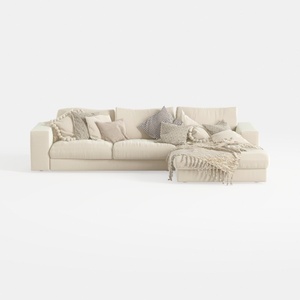
Minimalist Beige Fabric L Shaped Sectional Sofa with Throw Pillows 3D Model
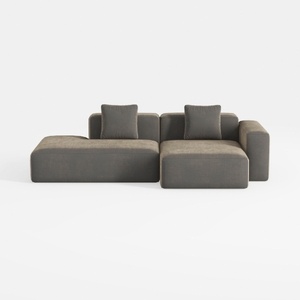
Minimalist Fabric L Shape Sectional Sofa with Throw Pillows 3D Model
Homestyler is your go-to online home design platform! With its intuitive design tool, stunning 3D renderings, and a plethora of DIY video tutorials, you can effortlessly create and visualize your dream spaces. Unleash your creativity today and turn your design ideas into reality!
立即免费设计
































