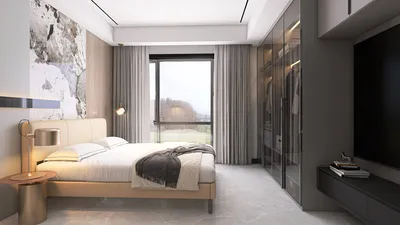


Having specified and installed countless room darkening curtain packages in various settings such as homes, hotels, and small offices, I find the immediate effects consistently impressive: glare diminishes, colors appear more vibrant, and environments feel noticeably more serene. The tangible comfort that these solutions offer is significant. The International WELL Building Institute (WELL v2 Light) emphasizes that effective daylight management and glare reduction are essential for visual comfort and supporting our circadian rhythms. According to Steelcase research, visual distractions—especially glare—rank as a leading concern impacting both focus and productivity in office settings; by diminishing high-light contrasts near screens, users can experience enhanced task comfort.
In addition to comfort, there is a notable energy-saving aspect. The IES guidelines recommend maintaining balanced illumination and minimizing contrast to reduce eye strain; strategically chosen room darkening curtains can significantly lower the need for artificial lighting during peak daylight hours and prevent overheating, which can elevate cooling costs. In my experiences with hospitality projects, well-fitted darkening drapes often lead to fewer guest complaints regarding early morning light infiltration, subsequently boosting satisfaction ratings—an indicator that optimal light control truly pays dividends.
Understanding the Concept of 'Room Darkening'
While room darkening curtains can block a substantial amount of incoming light, they may not provide the total darkness achieved by dedicated blackout curtains. Genuine blackout fabric is designed to block over 99% of light; in contrast, room darkening allows for some subtle illumination, maintaining a soft ambiance while effectively reducing direct glare. This balance is especially valuable in living rooms, bedrooms, nurseries, and media rooms where some light control is essential for sleep and media enjoyment, yet an overly dark environment is undesirable.
Choosing the Right Fabrics: Weave, Lining, and Color Techniques
The performance of curtain fabric relies heavily on factors such as weave tightness, fiber composition, and lining. For instance, tightly woven polyester or poly-cotton blends combined with a triple-pass acrylic foam lining are excellent for darkening and thermal efficiency. For a more organic texture, linen blends can also be effective when paired with quality blackout liners. The psychological impact of color cannot be overlooked: darker shades absorb more light and visually recede, enhancing the darkening effect; conversely, lighter neutrals create a softer feel while keeping the space feeling open. In bedrooms, I usually opt for desaturated blues or charcoal shades, as noted by Verywell Mind's insights linking blue to serenity and improved sleep, while living areas benefit from warm grays or taupes to maintain the vibrancy of furnishings.
Hardware Setup and Proper Fitting: Sealing the Gaps
Light leakage is seldom a result of quality fabric, but rather the installation's fit. Implementing a return-to-wall rod or track system allows panels to wrap and cover any gaps effectively. Extend rods or tracks 6 to 10 inches beyond either side of the window frame and mount them 4 to 12 inches above the window to conceal the transom area and minimize top light leakage. For windows set deep within the wall, consider installing a ceiling-mounted track that brings the curtains closer to the wall. In bedrooms where morning sunlight is problematic, adding side channels or discreet magnetic edge tapes can help mitigate stubborn light leaks.
Layering Options: Sheers for Daytime, Darkening for Night
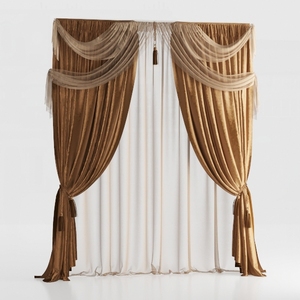
An effective solution is to pair sheer curtains with room darkening panels. During daytime hours, sheers diffuse sunlight while maintaining privacy and views; at night, the darkening layer provides complete coverage for restful sleep or media use. This layered approach not only boosts thermal efficiency but also aids in sound absorption—dense fabrics can effectively reduce noise levels, creating a more peaceful environment. To visualize your window arrangement, using an interior layout planner can help you assess panel stacking, rod placement, and necessary furniture clearances. An effective room layout tool can facilitate quick design simulations to enhance daylight access when panels are opened.
Light Management, Glare, and Comfort for Screens
In home office settings and living areas with large televisions, achieving luminance equilibrium is key. Direct sunlight on glossy screens leads to problematic contrast spots; room darkening curtains can mitigate this contrast, allowing the eye to rest. After installing darkening panels, I measured significant increases in workstation comfort, particularly by positioning screens perpendicular to windows and moderating daylight with layered drapery. Adhering to IES guidelines for residential settings, proper task lighting should range from 300 to 500 lux, with ambient light between 150 and 300 lux. Use dimmable lamps and warm to neutral color temperatures (2700K to 3500K) to create a cozy, inviting atmosphere free from stark, overly bright evenings.
The Role of Color Psychology in Setting the Mood
Textiles play a crucial role in establishing mood within a space. In bedrooms, cool, deep hues tend to promote relaxation, while soft, warm neutrals can create a welcoming ambiance in smaller areas. Verywell Mind's review of color psychology indicates that blue tones promote stability and tranquility—attributes that greatly benefit sleep environments—while green is associated with balance. To diminish reflectance that can hinder darkening effects, opt for matte finishes.
Thermal Efficiency and Sustainability Factors
Room darkening fabrics featuring thermal linings not only decrease solar heat gain during hot afternoons but also help retain warmth in winter months. This leads to more consistent indoor temperatures and fewer fluctuations in HVAC usage. When selecting fabrics, aim for OEKO-TEX Standard 100-certified textiles or recycled polyester blends; also prioritize durable linings that resist discoloration over time. If sustainability is a goal, choose timeless fabrics instead of trendy prints—classic weaves can prolong the life of your curtains through various decorating updates.
Acoustic Comfort: Cultivating Softer Sound Environments
Heavier curtains contribute to sound absorption in less-furnished spaces. While drapery alone cannot replace acoustic panels, it’s a credible approach: floor-to-ceiling panels strategically placed on expansive windows can effectively dampen echo sounds. Pairing them with area rugs, soft seating, and bookshelves creates a harmonious and absorbing environment.
Key Installation Tips to Consider
Precision in measurement is crucial. For specific styles like pinch-pleat or ripplefold, account for stack-back: wider windows may require up to 30 inches of free wall space on each side. Confirm that your mounting anchors are suitable for the wall type—toggle bolts for drywall, masonry screws for concrete, and appropriate plugs for plaster surfaces. If opting for motorized tracks, designate a concealed space for wiring and ensure there’s sufficient room for the power head. Lastly, ensure child safety by securing cords or utilizing cordless designs.
Crafting a Cohesive Style: Intentional Design Choices
For contemporary designs, slim-profile tracks paired with ripplefold headers create sleek lines. Transitional spaces often benefit from tailored pinch pleats. In smaller rooms, having curtains match the wall color can visually expand the space, while tall ceilings can be enhanced with banding or leading edge trims for added architectural detail. Metallic elements such as brushed nickel or bronze can connect hardware elements with other fixtures without overpowering the overall fabric narrative.
Specific Scenarios: Bedrooms, Nurseries, and Media Rooms
- For Bedrooms: focus on darkening capabilities and sound dampening; install treatments higher and wider to mitigate early morning light.
- For Nurseries: prioritize cordless systems and antimicrobial, washable materials; opt for soft neutral tones to avoid overwhelming stimulation.
- For Media Rooms: use deep-colored fabrics with low reflectance characteristics; layer with sheers to allow flexibility and maintain lighting pathways to prevent complete darkness during movement.
Caring for Your Curtains: Maintenance for Longevity
Regular upkeep involves vacuuming with a soft brush monthly, promptly addressing stains, and adhering to care instructions on the lining—some acrylic linings benefit from gentle washing or professional cleaning. To avoid uneven fading, rotate curtains annually. Adopting good care practices will keep your drapery looking fresh and the colors vibrant for years to come.
Reliable Standards and Expert Guidance
For those interested in comprehensive frameworks regarding visual comfort and well-being, the WELL v2’s Light concept offers research-backed strategies for glare control and alignment with circadian needs. Ongoing studies from Steelcase reinforce the connection between managed light and cognitive focus—utilizing these references can guide your selections for fabrics and layering techniques, ensuring a well-designed, light-balanced space utilizing Homestyler or similar tools.
Frequently Asked Questions
Room darkening features significantly reduce light intrusion while allowing a soft ambient glow; in contrast, blackout curtains aim for near-total light exclusion, ideal for those needing complete darkness, such as shift workers or dedicated home theater setups.
Absolutely. By minimizing direct sunlight and lowering brightness contrast around screens, they make media displays easier to perceive and lessen eye strain.
Desaturated blues, charcoals, and calming neutrals are effective choices; they absorb more light and psychologically foster relaxation.
Incorporating a blackout or triple-pass liner enhances darkening capabilities, boosts thermal effectiveness, and protects outer fabrics from harmful UV rays.
Position your rods 4-12 inches above the window frame and extend 6-10 inches on either side to minimize light leakage from the top and sides.
These curtains can aid in reducing sound reverberation and flutter echoes, especially on expansive glass surfaces, working well alongside area rugs and upholstered furnishings.
For expansive spaces or daily use, motorization is a convenient addition, enhancing consistency in managing light levels and maintaining balance within the space.
Integrate sheers for daytime privacy and soft daylight; draw the darkening layer only during instances where glare, thermal gain, or focused viewing require additional control.
Utilize return-to-wall hardware, broader coverage, and consider side channels or magnetic edge tapes to effectively manage challenging light gaps for improved functionality.
Polyester blends with quality linings provide UV resistance and mitigate wrinkling or shrinkage, while linen blends introduce texture but require protective liners for optimal performance.
Look for OEKO-TEX-certified or recycled polyester fabrics, select timeless neutral weaves, and ensure regular maintenance to extend their lifespan.
Indeed—leveraging an interior layout planner can help visualize stacking configurations, clearance for hardware, and how panels interact with existing furnishings; consider utilizing a room design visualization tool for instant simulations.
Homestyler's roots trace back to Autodesk, the global leader in design and engineering software. That heritage lives on in every feature we build. Today, with a community of more than 18 million users worldwide, Homestyler continues to make professional-quality interior design accessible to everyone — from first-time decorators to seasoned architects.


Homestyler is your go-to online home design platform! It features an easy-to-use design tool, stunning 3D renderings, and a wealth of DIY video tutorials. Whether you’re a beginner or a pro, you can effortlessly create and visualize your dream space. Transform your ideas into reality with Homestyler!
Diseño ahora GRATIS
































