

After examining and analyzing numerous portable heaters for use in apartments, studios, and small dwellings, it has become apparent that an efficient room heater can greatly enhance comfort during transitional seasons without the need for major changes to your central heating system. A properly sized unit enhances the sense of warmth by using either radiant or convective heat and strategic placement within the room. The WELL v2 Thermal Comfort guidelines suggest that maintaining room temperatures between 20–24°C (68–75°F) significantly increases comfort levels for occupants. Furthermore, providing individuals with control over their thermal environment correlates with greater satisfaction and productivity. Research from Steelcase also shows that having a sense of control over one's surroundings greatly contributes to comfort and efficiency in workplace settings, emphasizing the importance of unit size and adjustability alongside wattage.
The interplay of lighting and color significantly influences how warm a room is perceived to be. The color psychology research conducted by Verywell Mind indicates that warm colors such as reds and oranges can heighten arousal and give the impression of increased warmth, making a room set at 21°C feel more inviting than one decorated with cool tones. From a building science perspective, the Illuminating Engineering Society recommends achieving well-balanced ambient lighting to prevent glaring reflections, which can create a harsh atmosphere. Utilizing warm white lamps (2700–3000K) and layered lighting strategies enhances both thermal and visual comfort. It is essential to harmonize thermal and visual factors, as a truly inviting space results from a combination of temperature, lighting, materials, and sound—not merely reliant on one heating device.
An Overview of Meghdoot Room Heaters
Meghdoot room heaters are typically categorized into two main types: radiant (infrared or halogen) and convective (fan-forced or oil-filled). Radiant heaters provide targeted warmth by heating objects and individuals within their direct line of sight, making them ideal for localized heating near a desk or sofa. In contrast, convective units are designed to circulate warm air throughout the room, ensuring an even temperature distribution. For compact apartments measuring 12–18 m², a heater with a power rating of 1000–1500 W is usually sufficient; for larger areas of 20–28 m², a more powerful model between 1500–2000 W with multiple heat settings is preferable to prevent overheating.
Essential Performance Features I Prioritize
- Radiant/Infrared: These units heat up quickly and operate silently, making them efficient for specific areas. They're particularly effective when placed in draft-free corners or near seating areas.
- Fan-forced Convection: These heaters facilitate faster air movement, perfect for bedrooms and living areas where uniform temperature is desired.
- Oil-filled Radiators: Although they take longer to heat, they provide consistent warmth and are quieter, making them ideal for nighttime use or in nurseries where noise reduction is important.
- Prioritize safety features like a tip-over switch and overheating protection. Choose models with cool-touch surfaces if you have children or pets around.
- Safety features like thermal fuses and automatic shut-off after prolonged use are crucial. Ensure radiant heaters have at least 1 m of free space from flammable objects; for convection models, maintain a spacing of 0.5–0.75 m.
- Multi-stage heating options (e.g., 600/1000/1500 W) and a functioning thermostat enhance both comfort and energy efficiency.
- Larger, easy-to-use dials or illuminated controls make adjustments straightforward even in low-light conditions. A timer function (1–8 hours) also helps conserve energy during overnight use.
- For bedrooms or quiet study areas, aim for fan-based units that operate below ~40 dB. Generally, oil-filled models tend to be quieter compared to fan heaters.
- Using a heater rated at 1500 W continuously can significantly increase energy consumption. Pair it with zoning (heating only occupied areas) and thermal layering strategies such as rugs and curtains to lessen runtime.
Considering Room Size, Layout, and Placement
Match the heater's wattage to the space's size and insulation level. In smaller rooms where the main seating is centralized, position radiant heaters at an angle of 30–45° towards occupants for effective warmth without overheating the entire area. In multifunctional living rooms, situate a fan-forced unit near a return path to encourage effective circulation of warm air. If you're contemplating a new furniture arrangement, utilizing a room layout tool like Homestyler can assist in visualizing airflow, clearances, and lines of sight before finalizing your decisions.
Strategies for Creating Coziness with Light, Color, and Materials
- Lighting: Aim for layered warm white lighting (2700–3000K). Using indirect sources minimizes glare and encourages a relaxing evening ambiance.
- Color: Incorporate warm shades (like terracotta, ochre, rust) in accents. Simple additions like a throw or an art piece can significantly alter the perceived warmth of a space.
- Materials: Opt for wool throws, high-pile rugs, and textured upholstery to prevent cold surfaces from impacting comfort. Employ thermal curtains on single-glazed windows to fend off drafts.
- Acoustic Comfort: Include soft furnishings such as rugs, curtains, and bookshelves to help mitigate echoes. A quieter environment enhances the feeling of warmth and intimacy within a room.
Ensuring Safety, Ventilation, and Air Quality
Avoid draping fabrics over heaters and keep cords away from walkways. For fan heaters, it is essential to clean the intake grilles monthly to ensure optimal airflow and reduce dust-related odors. In tightly sealed living areas, brief ventilation by opening windows can help maintain air quality and regulate humidity levels. Keeping indoor humidity between 30–50% is key for respiratory health; excessively dry air can cause discomfort by making the space feel cooler.
Daily Use Recommendations Gleaned from Field Studies
- Preheat your unit on high for 5–10 minutes, then reduce to medium with the thermostat slightly below the desired comfort range to minimize cycling.
- Zoning: Opt to heat only the area you're occupying—like a reading nook or office space—rather than the entire room whenever feasible.
- For bedrooms, consider using quieter oil-filled or low-noise fan heaters equipped with timers. Target sleep temperatures around 18–20°C for comfort paired with an appropriate duvet.
- Ensure efficient cable management by utilizing short, heavy-gauge cords and avoiding power strips with high-wattage heaters.
Designing a Cozy Nook Around a Meghdoot Heater
Choose a focal point for your seating arrangement, such as a comfortable lounge chair paired with a side table and a task lamp. Position a radiant Meghdoot heater to direct warmth towards your legs and torso, layer a cozy rug underneath, and add a warm lampshade nearby. Including a small bookshelf or acoustic panel behind the seating can help absorb sound and enhance the feeling of tranquility. Maintain a safety radius of 1 m around the heater. This arrangement creates a welcoming corner that enhances comfort without the need to adjust the thermostat for the entire living space.
Maintenance and Longevity Tips
Dust accumulation and lint can diminish efficiency and produce unpleasant odors upon startup. It is advisable to vacuum the grills and fins of your heater gently every 2–4 weeks during peak usage. Regularly check the power cord for any signs of discoloration or wear; replace any damaged cords immediately. Store the heater in a dry space with a cover during off-seasons to protect its components.
Sustainability Considerations
The most sustainable approach to using portable heaters is to apply them strategically. Focus on warming only the occupied areas instead of increasing the temperature for the entire home. Enhancing insulation through door sweeps and weatherstripping and using layers of textiles can also improve energy efficiency. Opt for heaters made with durable materials and replaceable components to prolong their lifespan. During times of high energy demand on the grid, it is helpful to utilize these devices during off-peak hours when possible.
A Research-Backed Approach to Comfort
- Thermal Range: The WELL v2 framework supports maintaining comfortable operative temperatures with user control, as personal control has been associated with higher levels of satisfaction.
- Perception: Insights from Verywell Mind on color psychology indicate that warm colors are linked to sensations of warmth, allowing for non-energy methods like decorative textiles and art to enhance comfort.
Frequently Asked Questions
For sleep environments, oil-filled radiators or low-noise fan heaters are optimal choices. They provide consistent warmth with minimal sound levels, ensuring comfort during sleep hours. Depending on the level of insulation, aim for a power rating of 1000–1500 W.
For average insulation properties, budget approximately 60–100 W per square meter. A 15 m² area typically requires between 900–1500 W. Increase this estimate for spaces with high ceilings or drafts.
With proper safety features, both types can be used safely; however, critical elements include cool-touch exteriors and tip-over protection. Oil-filled heaters tend to have lower surface temperatures compared to exposed halogen units.
Ensure that heaters are kept away from curtains and walkways. For radiant units, position them at a distance of 1.2–1.8 meters from seating areas; fan heaters should be located near a wall facilitating adequate air circulation.
Indeed, warm white lighting (2700–3000K) combined with warm-toned accents can elevate the overall warmth perception of a space, reinforcing comfort at similar thermostat settings, as supported by research in color psychology.
Implement zoning by heating only the areas in use. Preheat the heater briefly prior to adjusting to a medium setting, and enhance heat retention with rugs, thermal curtains, and by sealing drafts.
To maintain tranquility, choose heaters operating below ~40 dB. Oil-filled models and well-engineered fan heaters generally comply with this noise threshold.
Many basic on/off heaters can be used safely with certified smart plugs rated for 10–16 A. It is crucial to avoid power strips; always verify the heater's electrical rating against the maximum load of the plug.
During the heating season, clean the grilles and wipe surfaces every 2–4 weeks to prevent the buildup of dust and maintain effective airflow.
Ensure a clearance of at least 1 m for radiant units and 0.5–0.75 m for convective heaters, and confirm unobstructed intake and exhaust passages.
Heating can lead to lowered humidity levels in the air, which may feel uncomfortable. Aim to keep indoor relative humidity around 30–50% by using a small humidifier or boiling water briefly while monitoring for condensation.
If your heater includes features such as tip-over protection and low surface temperatures, it may be considered safe. Always utilize a timer and maintain appropriate clearances. For sleep settings, oil-filled designs are often preferred because they provide quiet and steady heat.
Additional References and Resources for Further Reading
For further insights into thermal comfort and guidance regarding color perception, visit the WELL v2 Thermal Comfort guidelines at wellcertified.com, alongside the basics of color psychology from Verywell Mind.
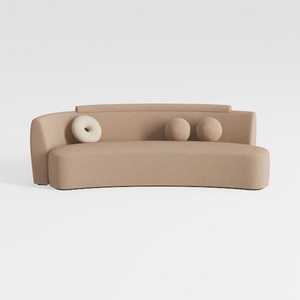

Yozma Curved Chenille Sectional Sofa Beige, Dual D

Japanese Floor TableSmall Coffee Table & Tea Table
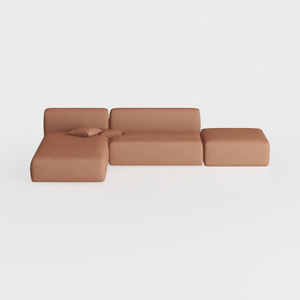
Minimalist Brown Fabric Modular Sectional Sofa 3D Model
Homestyler is your go-to online home design platform! With its user-friendly design tool, stunning 3D renderings, and a wealth of DIY video tutorials, you can effortlessly create beautiful spaces. Whether you're a beginner or an expert, Homestyler makes home design inspiring and accessible!
立即免费设计
































