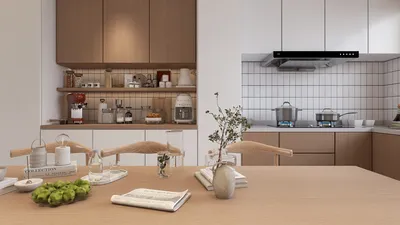


I create open-plan designs that incorporate kitchens to foster a friendly atmosphere while ensuring high functionality. The aim is to develop a seamless social environment where cooking, dining, and relaxing coexist in conversation, yet each activity maintains its distinct comfort and clarity. When executed correctly, this configuration supports the daily rhythm of life, social gatherings, and family interactions without clutter or noise distractions. Utilizing Homestyler can enhance this planning process significantly.
Numerous studies underline the advantages of thoughtfully designed open homes. Research conducted by Gensler indicates that spatial clarity and user options significantly influence perceived comfort and the time spent in common areas—concepts that transition beautifully from office spaces to residential living. According to the WELL v2 lighting standards, it's essential to maintain adequate illuminance for tasks (typically between 300–500 lux for kitchen areas) along with proper circadian support through balanced color temperatures. This approach minimizes fatigue and boosts visual comfort. I focus on both aspects to ensure your hall remains well-lit without harshness, and your kitchen is functional without appearing overly sterile. For comprehensive insights on user-centered design principles, refer to Gensler Research.
Defining Zones Without Walls
Open spaces do not have to be indistinguishable. I implement spatial ratios, varying flooring, and ceiling designs to highlight different areas. A ratio of 60/30/10 proves effective: dedicating 60% to living space, 30% to the kitchen and dining, and 10% to circulation areas—adjusting as necessary based on family habits. When devising layouts, utilizing a room layout tool allows for the simulation of sightlines, traffic patterns, and furniture placement before finalizing designs. It's advisable to maintain 900–1,000 mm of clear pathways around kitchen islands and seating for a natural flow, thereby preventing crowding during meal preparations.
Light First: Layered Illumination for Comfort
To create a comfortable atmosphere, ambient, task, and accent lighting should be carefully coordinated. Kitchen work surfaces require consistent brightness (approximately 300–500 lux), and matte finishes are recommended to reduce glare. Living areas benefit from warmer ambient lighting (2,700–3,000K) to create a relaxing ambiance, while kitchens can feature slightly cooler lighting (3,000–3,500K) for sharper contrast, ideal for tasks like chopping or reading labels. It’s best to keep under-cabinet lighting soft and diffused, avoiding harsh visible diodes. I also take natural light into account by strategically placing reflective finishes, enhancing brightness without causing distracting hot spots. Implementing smart control systems—like dimmers for ambient lighting and straightforward switches for task lights—ensures a smooth transition from breakfast preparations to evening relaxation.
Ergonomics: The Working Triangle Reimagined
The traditional kitchen triangle (sink, stove, fridge) remains relevant, but open layouts introduce socialization aspects. I recommend positioning nodes 1.2–2.7 m apart, with 400–600 mm landing zones next to the cooktop and sink. The standard counter height of 900 mm accommodates most households, but if baking is frequently done, consider including a 760–810 mm surface for easier kneading. It's practical to position the dishwasher next to the sink for smooth workflow and maintain at least 1,100 mm of space behind seating arrangements to allow for movement.
Acoustic Comfort: Manage the Soundscape
Controlling sound is crucial for creating a calm atmosphere while preparing meals. Soft furnishings such as upholstery, curtains, and rugs contribute to absorbing high-frequency sounds, while acoustic panels or slatted wood placed behind entertainment units help mitigate reflections. Strive for a well-balanced RT60 (reverberation time) within living areas; although ideal targets will vary based on volume and materials, the effect is clear when conversations are easily heard even when appliances are running. Choosing low-sone range hoods and placing devices on vibration-dampening pads can minimize sound transmission through floors.
Color Psychology: Warmth, Focus, and Flow
Colors have a significant impact on behavior. Warm neutral tones in the living area encourage a social vibe, while soft blues or muted greens in kitchens promote concentration and cleanliness without feeling clinical. Research by Verywell Mind shows that shades of blue are linked to tranquility and clarity, making them ideal for backsplashes or wall colors to tone down visual distractions from utensils. In smaller homes, it’s advisable to use bright colors sparingly as accent features to maintain a sense of spaciousness and prevent visual fatigue.
Materials and Maintenance: Beauty That Works Hard
Opt for surfaces that withstand everyday demands. Materials like engineered stone for countertops, premium vinyl, or sealed wood for flooring, and matte ceramics for backsplashes ensure durability while being easy to clean. Reducing glare with low-sheen surfaces in bright work areas is key. For an eco-friendlier choice, seek low-VOC paints and woods certified by the FSC. I prefer a cohesive material palette that spans the different zones of a home, accentuated by textures in textiles and wall treatments to add interest without creating visual clutter.
Kitchen Island: The Social Anchor
The kitchen island serves dual purposes: both as a workspace and a gathering area. For islands that will be used for cooking, it’s wise to include a dedicated prep sink and zones for heat-resistant materials. When designed primarily for socializing, prioritize sufficient knee space (300–350 mm is ideal) and different height levels to accommodate the interactions of children, guests, and cooks seamlessly. It’s also a great idea to incorporate power outlets beneath the overhang for laptops and small devices, ensuring a tidy appearance by routing cables through concealed pathways.
Storage Strategy: Hide, Reveal, Access
In open layouts, maintaining visual harmony is crucial. I blend concealed storage for large cookware and appliances with open shelves to add character. Deep drawers are perfect for pots, and tall pull-out units next to the fridge can hold frequently used dry goods. In communal areas, closed cabinets provide a sleek appearance and accommodate charging stations for tech gadgets. Keep frequently used items easily accessible within the 500–1,500 mm zone above the floor; this minimizes strain and helps maintain uncluttered surfaces.
Ventilation and Air Quality
Investing in a powerful and quiet extractor with external venting is invaluable—it enhances rapid dissipation of odors and keeps fabrics fresh. Ensure adequate make-up air is provided as needed to balance pressure. While incorporating plants can improve perceived freshness in the hall, rely on mechanical systems for effective pollution control. It may also be beneficial to use an air quality monitor, allowing adjustments during high-heat cooking activities.
Furniture Layout: Sightlines and Social Geometry
Positioning seating thoughtfully is essential to maintaining conversation flow without exposing guests to cooking splatters or heat. A sectional sofa with its shorter side directed toward the kitchen fosters engagement. Avoid facing the TV directly against reflective kitchen surfaces to reduce glare. When evaluating your furniture arrangements, utilizing an interior layout planner can quickly identify potential pinch points and inefficiencies, saving time during the purchasing process.
Rhythm, Ratios, and Visual Balance
Creating a visual rhythm enhances coherence throughout the space. Use two or three repetitive design elements—like metal finishes, wood variation, or color accents—across pendants, cabinetry, and textiles. A calm horizon line at approximately 900–1,000 mm can be maintained through counters and consoles, with vertical elements such as pendant lights or tall bookshelves to create visual interest without overwhelming the open space.
Safety and Family-Friendly Details
Incorporating child-safe features on islands, utilizing induction cooktops instead of gas for cooler surfaces, and implementing lockable drawers for sharp items ensure peace of mind in a family environment. Non-slip area rugs with secure underlays can add safety in the hall, and if pets share the area, establishing designated feeding zones separate from main pathways—preferably beneath a console or at the island—can prevent accidents.
2024–2025 Trends Worth Adopting
Emerging trends showcase subtle biophilic elements—like textured plaster, natural woods, and soft green tones—gaining traction. Expect to see slim-profile islands equipped with integrated charging solutions, concealed ventilation, and customizable, layered lighting becoming commonplace. The use of mixed metal finishes (such as brushed brass paired with blackened steel) along with micro-zoning via lighting clusters or ceiling planes is set to replace traditional full-height dividers.
Implementation Roadmap
Begin with mapping out daily behaviors: identify flow patterns and peak activity times. Following this, strategize circulation, storage solutions, then proceed to lighting and materials. It’s crucial to validate planning through a layout simulation tool to resolve any traffic bottlenecks. Finally, choose appliances designed for low noise and exceptional efficiency while adjusting colors based on daylight exposure—cooler tones for bright, sun-facing rooms and warmer hues for dimly lit spaces.
FAQ
Aim for a comfortable circulation space of 900–1,000 mm, increasing to 1,100–1,200 mm behind seating to prevent obstructions caused by pulled-out stools.
Utilize 2,700–3,000K lighting in the hall for a relaxing environment and 3,000–3,500K in the kitchen to achieve sharp task visibility. Task lighting should be maintained around 300–500 lux.
Select low-sone hoods, incorporate soft furnishings, and consider installing acoustic panels near reflective surfaces for optimal sound absorption. Ensure appliance supports are dampened to reduce vibration.
Absolutely. Direct the TV away from shiny kitchen surfaces, employ matte finishes, and enhance lighting control to minimize glare and balance contrast.
Induction cooktops mitigate burn risks while providing precise control features. Pairing it with detection technologies and safety locks enhances family safety.
Utilize changes in flooring, ceiling heights, lighting arrangements, and furniture placements to create distinct zones. A room layout tool can rapidly assess potential configurations.
Choosing matte or low-sheen finishes for countertops and cabinetry will significantly reduce the visibility of fingerprints and glare. Engineered stone and higher-end laminates are easy to maintain.
Maintain distance between nodes at 1.2–2.7 m, with landing zones of 400–600 mm for ease of movement. Avoid overly narrow corridors that disrupt flow and the kitchen triangle concept.
Invest in an externally vented extractor for effective odor control, operating it at the start of cooking, and be sure to provide enough make-up air.
Opt for deep drawers for pots, appliance garages for smaller gadgets, and close storage in the hall for tech items and cables to keep the space organized.
Incorporating plants can enhance the perceived freshness and humidity, but rely primarily on mechanical means to manage odors and particulates effectively.
Update pendants to include tunable white lighting, install a sleek charging rail on the island, and introduce natural materials to embrace a biophilic design approach.
Homestyler's roots trace back to Autodesk, the global leader in design and engineering software. That heritage lives on in every feature we build. Today, with a community of more than 18 million users worldwide, Homestyler continues to make professional-quality interior design accessible to everyone — from first-time decorators to seasoned architects.
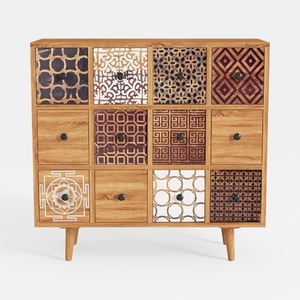
Bohemian Solid Wood Multidrawer Accent Cabinet With Patterned Fronts 3D Model
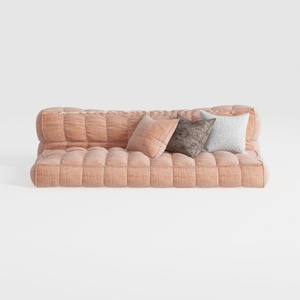

Minimalist Blush Fabric Tufted Contemporary Sofa 3D Model

Minimalist Solid Wood Linen Fabric Extra Long Sofa 3D Model
Homestyler is your go-to online platform for effortlessly designing your dream home. With an intuitive design tool, stunning 3D renderings, and a wealth of design projects and DIY video tutorials, you can unleash your creativity and transform any space, regardless of your experience level.
今すぐ无料でデザイン
































