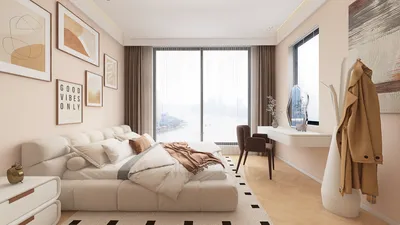


I've experimented with numerous heating solutions throughout my life, but I still find that an oil-filled radiator stands out as a top choice for additional warmth in my home. These sealed appliances heat a reservoir of thermal oil, providing gentle and consistent warmth without the harsh blasts or bright lights common in many fan heaters. This smooth heating makes them perfect for spaces like bedrooms, nurseries, home offices, and cozy reading corners where a serene atmosphere and stable temperatures are essential.
Maintaining thermal stability significantly enhances both comfort and energy efficiency. Research from Steelcase indicates that environments with minimal comfort disruptions, such as temperature fluctuations, can lead to improved concentration and productivity in work settings. Furthermore, findings from Gensler's workplace studies connect stable, well-regulated environments with superior perceived performance. On a health note, the WELL Building Standard (WELL v2) stresses the importance of managing thermal conditions and minimizing rapid changes that can trigger discomfort. My design approach prioritizes consistency: fewer temperature spikes, steady warmth, and devices that avoid drying the air or stirring up dust.
From the perspective of lighting and well-being, I steer clear of glare and noise in areas designated for reading, sleeping, or focusing. According to the Illuminating Engineering Society, a recommended brightness level of around 300–500 lux is ideal for home office settings, complementing quiet heaters that won’t introduce distractions or flickering lights. Oil-filled radiators operate noiselessly, typically maintaining sound levels around 35-45 dB, seamlessly blending into a tranquil home environment.
Understanding How Oil-Filled Radiators Operate
These innovative appliances utilize an electric element to heat the sealed thermal oil within their fins. The oil, which retains heat, circulates within the unit, distributing warmth through both radiation (warming surrounding objects) and natural convection (air movement around the fins). Since the oil sustains heat, these units continue to radiate warmth even after they turn off, helping to eliminate temperature swings often associated with resistive fan heaters.
Primary Benefits in Residential Settings
- Consistent, even heating: The thermal mass minimizes hot spots and cold drafts, providing a gradual warm-up and slow cool-down, which is especially beneficial for bedrooms and nurseries.
- Silent operation: Lacking a fan means less background noise, which enhances sleep hygiene and concentration in work areas.
- Improved air quality: With no exposed heating elements or high-velocity airflow, dust and allergens remain more settled in the environment.
- Safer surfaces compared to open-element heaters: While surfaces do get warm, they generally remain cooler than fan coil faceplates, and modern designs incorporate tip-over and overheat precautions.
- Efficient zoning: Instead of heating the entire home, you can concentrate on the room you are inhabiting—especially useful during transitional seasons or if you are on a time-of-use electricity plan.
Selecting the Right Size for Your Space
Proper sizing prevents unnecessary energy waste and temperature fluctuations. A simple guideline is to allocate about 10 W per square foot (or 107 W per square meter) for average insulation with 8-9 ft (2.4-2.7 m) ceilings. Increase this by 15-25% for rooms with large single-glazed windows, high ceilings, or poor insulation. For instance, a 150 sq ft (14 m²) bedroom would require approximately 1,500 W; in a breezy environment, you might need to consider 1,800–2,000 W or address drafts and seal upgrades first.
For smaller areas, most oil-filled radiators range from 600–1,500 W and come with multiple settings (e.g., 600/900/1,500 W). Opt for a model equipped with a genuine thermostat rather than a basic three-step switch to maintain a steady temperature and avoid energy wastage, aligning with the WELL standard's focus on keeping thermal comfort within acceptable ranges.
Optimal Placement for Performance
- Situate near the exterior source: It's advisable to position the unit near outside walls or beneath windows to counteract downdrafts, ensuring 12-20 inches (30-50 cm) clearance for effective circulation.
- Keep airflow unobstructed: Maintain a distance of 16+ inches (40 cm) from soft furnishings. Avoid placing clothing over the fins, as this can hinder thermal efficiency and trigger safety shutoffs.
- Integrate seamlessly into your layout: In compact studios or multi-functional spaces, try different locations before finalizing cable arrangements. An effective room layout tool from Homestyler can help you visualize furniture arrangements and ensure safe distances.
- Be mindful of flooring: Ensure placement on flat, solid surfaces for stability; utilize units equipped with casters for easy movement, especially in adaptable living rooms or shared areas.
Comfort, Acoustics, and Lighting
Oil-filled radiators contribute to a quieter, more regulated microclimate. Research from Herman Miller indicates that minimizing distractions, such as mechanical noise, supports sustained cognitive flow in work areas. Pair your radiator with multi-layered lighting: aim for 300–500 lux at the desk (as per IES guidelines), use a warm-white light of 2,700–3,000 K in bedrooms for calming wind-down, and reduce glare with diffusers and shades. Consistent temperature and warm lighting help enhance circadian rhythms and relaxation.
Control Systems, Thermostats, and Timers
I favor radiators that come with digital thermostats and a weekly timer. This feature allows me to preheat a bedroom to a comfortable 66–68°F (19–20°C) before bedtime and lower it to 62–64°F (17–18°C) overnight. Timers prevent unnecessary heating when a room is vacant, and thermostats curb overshooting while minimizing energy peaks. If your radiator is an analog model, a smart plug with energy tracking capabilities can assist in scheduling and understanding your actual energy usage.
Safety Measures and Standards
- Look for safety features like tip-over protection and automatic shut-offs.
- Keep power cords untangled and away from rugs; check for heat accumulation on outlets.
- Ensure adequate clearances on all sides; never use in moist environments unless specifically rated for such use.
- If you have families and pets, select models with lower surface temperatures or protective grilles, and secure controls to prevent unauthorized adjustments.
Material and Design Considerations
Most oil-filled radiators are constructed from steel with enamel coatings. Opting for matte neutral hues such as graphite, sand, or ecru helps these devices fit seamlessly into contemporary 2024–2025 interiors that emphasize calm, tactile designs. Slim vertical fins work well in limited spaces near reading chairs, while sleek horizontal models can be positioned beneath glass without overshadowing the view. Proper cable management is key—route cords along baseboards and secure them using discreet clips to maintain aesthetic order and prevent tripping hazards.
Cost Implications and Energy Consumption
Operating at its maximum output, a 1,500 W radiator consumes 1.5 kW of electricity. Running for four hours equates to 6 kWh of energy usage. With a cost of $0.18/kWh, this results in about $1.08 for an evening of comfort. Note that thermostats usually cycle lower once the desired room temperature is achieved. Since the oil retains heat, residual warmth contributes to comfort while reducing peak energy consumption. For enhanced efficiency, couple the use of your radiator with draft sealing, thick curtains at night, and consider a slightly lower temperature setting combined with a cozy throw blanket in lounging areas.
Where Oil-Filled Radiators Excel (and Limitations)
- Most effective in: bedrooms, nurseries (with safety features), reading nooks, home offices, and areas where prolonged, quiet heat is preferable to rapid warming.
- Alternatives to consider: For uninsulated garages or needing instant heat upon entry, a ceramic fan or infrared panel may be preferable. In humid bathrooms, select heaters designed for such environments equipped with RCD/GFCI protection.
Straightforward Setup Checklist
- Measure your room and ensure correct wattage matching.
- Carefully plan placement while ensuring safety clearances and tidy cord management.
- Adjust the timer and thermostat according to your daily routine.
- Layer your lighting to achieve 300–500 lux for work tasks and 2,700–3,000 K for evening relaxation.
- Consider adding a door sweep or sealing windows if you detect drafts.
Reliable References for Further Exploration
For additional insights on comfort and performance, I advise consulting two main resources: Gensler's workplace research for environmental performance data, and the WELL Building Standard for guidance on thermal comfort (WELL v2). Although your home may not be a corporate environment, the principles easily translate to residential applications.
Frequently Asked Questions
Both electric heaters utilize nearly 100% of electricity for heat generation. The key benefit of oil-filled radiators lies in their thermal mass: after the oil heats up, these units cycle less frequently and deliver a more consistent warmth, often allowing for lower thermostat settings—saving energy over time.
Select models with built-in overheat and tip-over safety features, maintain proper clearances, and set reasonable thermostat levels. I typically program bedrooms to preheat and then lower to 62–64°F (17–18°C) for restful sleep. Avoid using extension cords; plug directly into wall outlets instead.
There is no significant difference in humidity levels. The absence of high-velocity air and intense heating coils helps maintain relative humidity, which many sensitive users prefer over fan heaters. If dryness persists during winter, consider using a small humidifier or place a shallow water tray near the heater (not directly on it) to subtly raise humidity levels.
It generally takes about 10–20 minutes to notice a difference in temperature, with around 30–45 minutes needed for the space to stabilize, depending on insulation and size. The trade-off for this gradual warming is longer-lasting comfort.
Start by using a 2,000 W heater if you have average insulation and standard ceiling heights. For homes with improved insulation and carpeting, consider starting with a 1,500 W unit that features effective thermostat control.
Yes, with proper precautions: maintain strict clearances, choose heaters with child-proof locks and lower surface temperatures, and keep cords out of reach. The gentle, quiet warmth offered is ideal for naps.
While central systems may be more efficient for whole-home heating, using an oil-filled radiator for zone heating—just in the rooms you use—can be a cost-effective option, especially when centralized systems might heat unused spaces.
Absolutely. More fins provide increased surface area, enhancing convection at lower temperatures. For smoother heat distribution, opt for radiators with narrower, more numerous fins; compact column radiators are ideal for tighter spaces while delivering consistent output.
That's usually preferable as it counteracts downdrafts from windows. Ensure you maintain 12–20 inches (30–50 cm) of clearance, and avoid letting curtains touch the unit.
Typically, these radiators operate whisper-quiet. While you may occasionally hear clicks as the thermostat activates or material expands, they lack the disruptive noise of fans—making them perfect for bedrooms and studios.
Aim for 300–500 lux at work surfaces (according to IES recommendations) and use 2,700–3,000 K lighting for evening relaxation. Consistent warmth paired with soft-colored lighting fosters relaxation and focus.
Certainly, if the heater features mechanical controls that resume when power is restored. Energy-monitoring plugs can be employed to track usage and help schedule run times, but never exceed the plug's rated current.
Maintenance is minimal. Simply wipe the fins occasionally to prevent dust buildup that could hinder efficiency. Additionally, check the wheels and cord condition on a seasonal basis. The sealed oil requires no replacement.
Though it won't specifically address allergies, the low-airflow nature of oil-filled heaters stirs up less dust than fan heaters, making them more comfortable for many users with sensitivities.
Preheat areas before you occupy them, and decrease the output when you're active in the space. If your utility company offers off-peak rates, preheat slightly during these times and rely on thermal mass for residual warmth.

Homestyler is your go-to online home design platform! With its intuitive design tool, stunning 3D renderings, endless design projects, and helpful DIY video tutorials, you can effortlessly create and visualize your ideal living space, no matter your experience level. Bring your design dreams to life today!
Design Now for FREE
































