

I create designs for modular living rooms tailored for clients seeking versatile spaces—whether hosting friends tonight, doing yoga in the morning, enjoying focused reading on Sundays, or having family movie nights whenever inspiration strikes. The appropriate modules allow quick reconfigurations in just a few minutes without sacrificing comfort, proportion, or design aesthetics. Utilizing tools like Homestyler can streamline this process dramatically.
Research supports the trend towards adaptable designs: Steelcase studies indicate that individuals change posture every 8–10 minutes in their living spaces, and flexible seating options notably enhance perceived comfort and productivity. The WELL v2 standard similarly highlights the importance of adaptable furniture and ergonomic variety, acknowledging their positive impacts on wellness. These insights reinforce my observations in various projects: modular systems not only declutter but also maximize usable space and enhance concentration over extended periods.
The benefits of modularity extend to sustainability and longevity. Gensler Research indicates that spaces offering diverse modes of use—collaboration, retreat, social gatherings—witness greater satisfaction and utilization over time. In the context of living rooms, this translates to components that can slide, nest, rotate, and be easily stored, using materials that stand up to daily wear while maintaining a serene acoustic and visual environment.
Fundamental Elements of Modular Living Room Design
Initiate with zones rather than objects. Identify areas for conversation, media, reading, and movement paths, then choose modules that can transition between these roles. A low-profile sectional with a movable chaise can create a compact L-shape for movie nights or expand into parallel seating for gatherings. Incorporate nesting tables and lightweight, stackable stools for adaptability around guests. If you’re experimenting with layout before finalizing choices, a tool like Homestyler is invaluable for assessing sightlines, traffic flow, and reach distances.
Considering Ergonomics and Human Interaction
Ergonomics play a crucial role in ensuring long-lasting comfort. Seat heights around 16–18 inches enable most adults to maintain a neutral knee angle, while seat depths of 19–22 inches cater to mixed-use lounging without encouraging slouching. The back pitch should range between 100–110 degrees to strike the optimal balance between relaxation and support. The WELL v2 standard promotes variety in posture; incorporating ottomans and alternative seating options can help alleviate static load on the body.
Don’t underestimate the importance of armrests. A 7–9 inch arm height above the seat can provide comfortable support for forearms during reading or extended conversations. In media viewing contexts, wider, softer arms can double as support for devices. Modular arms that can interchange between slim and padded profiles allow a single sofa to adapt to multiple functions.
Lighting, Acoustics, and Visual Harmony
Lighting influences behavior significantly. I utilize three types of lighting: warm ambient light in the range of 2700–3000K for evening relaxation, task lighting set at 3000–3500K for reading, and dimmable accent lights to spotlight focal areas. Following IES recommendations, glare should be minimized with shielded fixtures; in modular settings where seating can shift, opt for lamps equipped with diffusers and adjustable heads to enhance visual comfort.
Acoustic comfort plays a critical role in the inviting nature of a space. Sectional modules with fabric backs can absorb mid-frequency sounds, while upholstered ottomans help disrupt floor reflections. Thick rugs are effective for lessening high-frequency reverberations. Strive for a diverse material palette incorporating hard, soft, and textured elements to maintain visual cohesion while controlling echoes.
Color Theory and Emotional Adjustment
Color choices can enhance the ambiance of a room. According to insights from Verywell Mind about color psychology, warm neutrals evoke feelings of coziness and social connection, whereas cooler greens and blues foster tranquility and reduce eye strain. I prefer using muted tones for larger modules while introducing vibrant accents through movable elements—blankets, cushions, and stools—to facilitate mood changes without requiring a paint job.
Handling Spatial Dynamics and Composition
Proportion plays a vital, yet understated role in modular design. Ensure the principal seating arrangement maintains a 3:2 ratio in relation to the room's longest wall; this encourages balanced movement and visual flow. Provide 30–36 inches for main pathways and 18 inches between seating and tables for comfortable access. When combining various modules, it's essential to keep consistent seat heights and leg designs to minimize visual disruption.
Modules with Integrated Storage Solutions
Clutter can quickly disrupt flexibility within your space. I prioritize components featuring concealed storage—like chaise bases for throws, ottomans with lift-top storage for remotes, and streamlined console benches with drawers for board games. Media walls benefit from modular shelving units that can expand vertically; keep closed storage low and open display areas high to maintain a light aesthetic.
Choosing Materials with Durability and Sustainability
It’s essential to ensure both durability and feel coexist seamlessly. High-rub-count fabrics (≥ 30,000 double rubs on Wyzenbeek) stand resilient against daily use while remaining comfortable. Opt for removable and replaceable covers on frequently used modules to prolong their life. Utilizing FSC-certified wood and low-VOC finishes enhances indoor air quality. For longevity, select fabrics with solution-dyed fibers that resist fading when modules are frequently rearranged near windows.
Categories of Modular Seating
- Sectional with a floating chaise: transitions between relaxation and social interactions, featuring an open end to maintain flow.
- Two-seat sofa accompanied by two armless chairs: allows chairs to slide in for a temporary U-shape accommodating guests.
- Bench modules: transform into wall seating, window ledges, or substitutes for coffee tables.
- Cluster of ottomans: can be reconfigured into a chaise, footrests, or extra seating; conveniently stow beneath consoles when not in use.
My Workflow for Planning a Flexible Living Area
1) Measure and sketch: note the positions of windows, doors, radiators, outlets, and essential zones (media wall, reading nook). 2) Identify usage scenarios: film night, game night, solitary reading, stretches. 3) Establish a foundation: choose two to three core modules that will meet 80% of your needs. 4) Introduce mobility: select lightweight items—stools, side tables—that can be easily moved. 5) Validate ratios and flow using a room design tool like Homestyler; this will aid in confirming clearances and lines of sight before making final purchases. 6) Layer lighting and textiles to soften sharper edges and improve acoustics. 7) Pre-assess storage solutions for remotes, chargers, and blankets so reconfigurations remain expedient.
Emerging Trends for 2024–2025 That Truly Make a Difference
- Low, deep modular sectionals equipped with movable backs that accommodate diverse postures.
- Versatile media walls designed with concealed wiring and interchangeable shelving.
- Performance-focused bouclé and chenille materials containing recycled elements yet still providing comfort.
- Accent lighting systems that adjust from warm social tones to neutral focus hues.
- Tables of varying heights—one coffee table, one elevated perch—for usability in both laptop work and games.
Common Errors to Avoid
- Purchasing oversized modules that compromise circulation space.
- Overlooking the strategic placement of lamps, leading to glare when seating is rearranged.
- Inconsistent seat heights that disrupt the visual composition.
- Lack of a cable management strategy—flexible furniture paired with rigid wiring creates frustration.
- Static coffee tables that obstruct recliner or chaise mobility.
Investment in Quality and Longevity
Prioritize investment in core modules along with durable fabrics; keep trendy items small and easy to move. Instead of replacing an entire sofa, consider refreshing covers and adding new legs or arms. The objective is to create a system that evolves over the course of five to ten years by changing individual parts instead of the whole set.
Frequently Asked Questions
For spaces ranging from 180–250 sq ft, aim for a sectional footprint of approximately 6.5–8 feet by 8–10 feet, allowing for at least 30–36 inches of movement space around the room's perimeter. Maintain a seat depth of around 20 inches if shared by multiple users.
Utilize dimmable floor lamps equipped with diffusers and adjustable heads at 2700–3000K for evening use and 3000–3500K for reading tasks. Adhere to IES standards by shielding sources to minimize glare and avoid fixed downlights directly positioned above seating modules.
Select pieces with consistent seat heights (16–18 inches) and supportive back angles (100–110 degrees). Portable lumbar cushions can accommodate taller individuals, while slim arm pads can interchange between modules seamlessly.
Invest in performance-oriented woven fabrics with ≥ 30,000 Wyzenbeek double rubs, solution-dyed fibers that resist fading, and stain-resistant finishes. Pair these with FSC-certified wooden frames and low-VOC foam to ensure improved indoor air quality.
Definitely! Features like upholstered backs, ottomans, and plush rugs absorb sound reflections. A harmonious blend of soft textiles and diverse textures helps reduce echo, facilitating clearer conversations and creating a more serene atmosphere throughout the room.
Keep lightweight stools or stackable chairs that can slide under consoles easily. Nesting tables that can be stored away when not in use are ideal, as are ottomans with concealed storage for throws and additional cushions.
Stick to neutral, muted base colors—such as taupe, gray-green, or soft navy—and incorporate color through movable accents. Verywell Mind’s color studies indicate that warm hues can promote social interaction while cooler tones enhance calmness—use accents to swiftly affect the mood of the space.
Absolutely. A room layout tool like Homestyler can simulate movement and sightlines, particularly crucial around entrances and windows. Confirm reach distances (approximately 18 inches from seat to table) and the recommended widths of pathways (30–36 inches) prior to committing to a design.
Design concealed channels and grommets within the modules for cables, ensure accessible power strips are stored within easy-reach drawers, and route wires along the legs or underneath to avoid issues during furniture movement.
With quality materials, the expected lifespan for seat covers under regular use is typically 5–7 years. Regularly rotate cushions and clean based on manufacturer instructions to extend their longevity.

Minimalist Brown Velvet L Shaped Sectional Sofa 3D Model
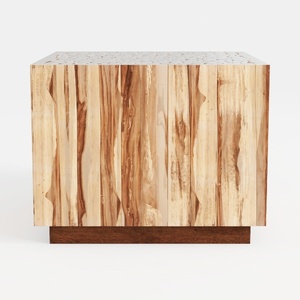

Minimalist Solid Wood Accent Cabinet with Textured Top 3D Model
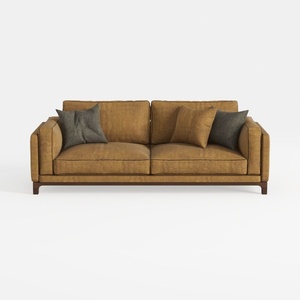
Minimalist Fabric Upholstered 2 Seater Sofa with Throw Pillows 3D Model
Looking to transform your space? Homestyler is your go-to online home design platform! With its easy-to-use design tool, stunning 3D renderings, and insightful DIY video tutorials, you can effortlessly unleash your creativity and design the home of your dreams—no experience necessary!
Design Now for FREE
































