

The term LT Room refers to Low-Tension Room, which is specifically designated for housing low-voltage distribution components like LT panels, switchboards, Motor Control Centers (MCCs), capacitor banks, and metering devices. In settings such as multi-tenant buildings, healthcare facilities, manufacturing plants, and data-centric workplaces, the LT Room plays a critical role in managing power distribution safely and effectively. I view the LT Room as the main hub for low-voltage systems operating at 120/208 V, 230/400 V, or other similar voltages, ensuring proper protection, metering, and load management. When integrating design elements like those found in Homestyler, optimal layouts can be achieved for power distribution.
The quality of a space is closely linked to power reliability. Studies by Steelcase indicate that power interruptions can adversely impact productivity and employee well-being, causing noticeable lapses in focus amid environmental disruptions. Moreover, the WELL v2 framework emphasizes that clear emergency preparedness policies and resilient building systems are integral to occupant health under its Performance standards. This reinforces the idea that electrical areas, including LT Rooms, should not be viewed merely as utility storage; rather, they significantly affect safety, system continuity, and user satisfaction.
Lighting within an LT Room also impacts safety and efficiency. The Illuminating Engineering Society (IES) recommends a task illuminance of around 300–500 lux for maintenance tasks, highlighting the importance of uniformity and reduced glare to prevent errors. An effective layout, clear labeling, and unobstructed sightlines are essential; these factors are not just beneficial but crucial, as they enhance operational efficiency and reduce downtime when quick action is necessary.
Understanding the LT Room
In the realm of electrical design within buildings, the LT Room serves as the dedicated area where low-tension devices are located after the high-tension (HT) intake and the transformer’s step-down. The LT panels are responsible for distributing electrical power to different floors, tenants, and critical operational systems, with protection achieved through breakers, relays, and metering. The HT side converts high voltage to utility-level low voltage through transformers, supplying the LT Room for downstream application. My design approach for LT Rooms focuses on three primary objectives: safety for personnel, ease of maintenance, and adaptability for future growth, all of which can be optimized through planning tools like Homestyler.
Essential Equipment in an LT Room
The standard setup typically includes: LT switchboards, MCCs, distribution boards, automatic transfer switches (when backup generators or uninterruptible power supplies are utilized), capacitor banks for enhancing power factor, metering panels, and auxiliary controls such as surge protectors. Ensuring adequate ventilation and compliance with fire-rated building codes is essential, along with organized cable management solutions (like trays and ladders) that maintain a clean and operable environment.
Prioritizing Safety: Clearances and Accessibility
Best practices emphasize the necessity for safe working distances. I establish customized front clearances based on the equipment's voltage class and size, adequate side clearance for hinged doors, and unobstructed access to the rear for critical terminations or busbars. Emergency exit paths should always remain accessible, complemented by illuminated signage and non-slip flooring. For setups involving batteries or UPS systems, it is imperative to follow industry standards for ventilation and spill containment. Fire and smoke control measures should include sealed cable penetrations, and uniform labeling across panels and circuit feeders is vital to facilitate lockout/tagout procedures.
Lighting, Aesthetic Considerations, and Visual Ergonomics
To mitigate reading errors and improve safety, glare-free LED lighting within the 4000–5000 K spectrum is recommended. In terms of color psychology, using desaturated neutral tones decreases visual clutter, while high-contrast labeling (like black text on yellow backgrounds) enhances legibility even under stress conditions. I aim to achieve 300-500 lux at operational height and position task lights adjacent to metering and control areas. Finishes that balance reflectance can help diminish shadows beneath panels, while matte surface coatings minimize glare that obscures fine details on breakers.
Acoustic Comfort and Ergonomic Principles
LT Rooms often house cooling fans and other equipment generating background noise, which can hinder cognitive function if exposure is prolonged. Utilizing materials like dense mineral wool, decoupled gypsum assemblies, and vibration isolation techniques serves to dampen structure-borne noise. Accessibility considerations include ensuring signage and process boards are readable from a distance of 1-2 meters, with aisle widths designed to allow two technicians to pass without obstruction while carrying tools. Incorporating tool storage and a designated work surface helps minimize hazardous improvisation during maintenance tasks.
Effective Thermal Management and Ventilation Solutions
Excessive heat can compromise the lifespan of electrical equipment. I advocate for continuous ventilation systems with heat extraction tailored to panel losses, and I ensure that air intakes are strategically placed to avoid dust accumulation. Filters should be easily accessible for maintenance, and airflow should not direct onto sensitive instruments. Where LT Rooms adjoin transformer areas, thermal barriers and fire separations should ensure safety and performance. Active monitoring of temperature and humidity levels helps control potential condensate risks near cable connections by maintaining balanced airflow.
Strategic Room Layout and Efficient Circulation
An effectively designed LT Room should exhibit an organized workflow. I position primary LT panels along the longest wall with straightforward cable entry routes, designate an operational zone for metering and control panels, and ensure a clear service corridor is maintained. For complex setups, I create mock-ups to visualize aisle widths and equipment swing arcs, preventing interference with doors, ducts, or structural features. This approach enhances collaboration with teams focused on mechanical systems and fire safety.
Utilizing room layout tools enhances precision in planning.
Labeling, Documentation, and Navigation Aids
Every feeder, breaker, and panel necessitates durable labeling designed to withstand routine cleaning and thermal conditions. I position one-line diagrams and emergency schematics near the entrance, make operation and maintenance manuals readily available, and implement color-coded tags for critical circuits (like life safety and IT systems). Digital QR codes that link to as-built documents can enhance the troubleshooting process. Additionally, clearly marked safe zones on the floor contribute to maintaining proper working clearances in front of panels.
Ensuring Power Quality and System Coordination
The incorporation of capacitor banks enhances power factor, mitigating losses and averting possible penalties. Surge protective devices safeguard sensitive equipment downstream. It is crucial that breaker trip settings are coordinated to ensure selective tripping: minor faults should isolate locally without extending outages to entire floors. When generators or UPS systems are included, the automatic transfer switches and synchronization logic need routine testing; all events and alerts should be integrated into the building’s monitoring framework for effective auditing and analysis.
Materials, Fire Safety, and Environmental Sustainability
Standard practices for utility rooms dictate the use of non-combustible finishes, fire-rated doors, and intumescent seals. I prioritize low-VOC paint options to preserve indoor air quality. Components for cable management with recycled metal content and modular panel setups can significantly minimize environmental impact while enhancing functionality. An organized room promotes safety: elevated platforms for panels, sealed concrete floors, and consistently mounted cable trays all contribute to easier upkeep.
Considerations for Accessibility and Future-Proofing
It's important to plan for future scalability both upstream and downstream. This means reserving wall space and bus capacity for subsequent feeder installations, as well as ensuring extra conduits and cable tray capacity is available. Access routes should comply with ADA standards where relevant, and metering displays should be positioned at ergonomic heights. The room should facilitate safe movement of equipment carts and testing sets, allowing for functional transitions that will accommodate tenant modifications without requiring extensive renovations.
Streamlined Commissioning and Maintenance Processes
Pre-energization checklists, thermal imaging during load evaluations, and regular torque checks on terminations are critical strategies for maintaining reliability in systems. I prefer to adhere to standardized labeling methods, schedule automatic transfer switches and UPS drills, and implement periodic cleaning routines to minimize dust accumulation. Documenting illuminance levels and temperature trends assists in confirming the room consistently meets performance benchmarks over time.
Relevant Industry Guidance for Better Design
Two reference sources continually assist me in aligning design objectives with occupant requirements: workplace research conducted by Steelcase regarding environmental influences on focus, and the WELL v2 guidelines, particularly concerning emergency preparedness and system resilience. Together, they reinforce that meticulously designed technical environments are fundamental to the overall health and productivity of the building.
Frequently Asked Questions
LT Room, short for Low-Tension Room, refers to spaces designed for low-voltage electrical distribution systems, including essential equipment like LT panels and switchboards.
HT Rooms manage high-voltage equipment and transformers. In contrast, LT Rooms receive and distribute stepped-down low voltage to various building loads through panels and circuit breakers.
An effective target illuminance level is approximately 300–500 lux, adhering to glare-controlled, uniform LED lighting standards that support accurate maintenance and labeling functions, in accordance with IES guidelines.
Absolutely. Equipment generates heat, necessitating ventilation systems and heat extraction processes that align with panel losses, including filtered intakes that do not direct airflow onto sensitive instrumentation.
Aisle widths should be designed to allow safe working clearances and ensure two-person passage with tools. Consider door swing arcs and unobstructed rear access where crucial terminations may be required.
Capacitor banks are utilized to enhance power factor performance, leading to decreased losses and potential penalties, while simultaneously stabilizing voltage levels for downstream systems.
Yes, noise from fans, contactors, and adjacent transformer operations can become elevated; measures such as using dense mineral wool, decoupled assemblies, and vibration isolation can significantly reduce noise impact during maintenance.
Employ durable labeling systems, maintain consistent terms, and use high-contrast print for visibility. Position one-line diagrams near entry points, and consider QR codes to direct to as-built documentation.
Maintain clear exit routes, mark safe stand-off zones on the floor visibly, install illuminated signage, and ensure coordination with fire-rated door placements and sealing mechanisms.
Certainly. Utilizing a room layout tool enables thorough testing of clearances, door movements, and cable pathways in advance of construction to avert potential conflicts.
WELL v2 provisions offer guidance on emergency readiness and resilient systems, underscoring the significance of accessibility, preparedness, and maintenance protocols in technical areas.
Indeed, with appropriate surge protection, grounding, and selective coordination, faults can be isolated efficiently, protecting sensitive equipment located downstream.
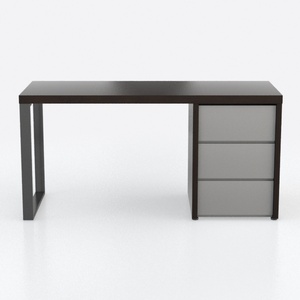
Modern Minimalist Two Tone Wood Office Desk with Storage Drawers 3D Model
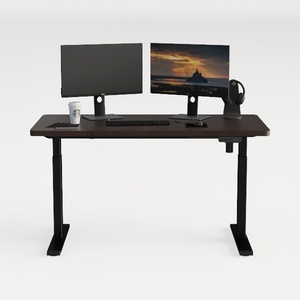
Modern Dark Walnut Black Metal Adjustable Standing Desk 3D Model
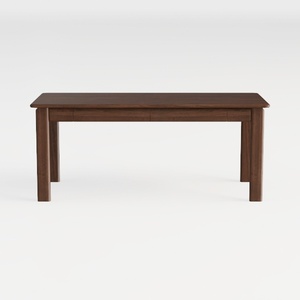

SAFAVIEH Home Collection Reid Walnut Computer Tabl
Homestyler is your go-to platform for home design! With an easy-to-use online design tool, stunning 3D rendering, and a treasure trove of design projects and DIY video tutorials, you can transform your living space into a masterpiece, no matter your skill level.
Progetta ora GRATIS
































