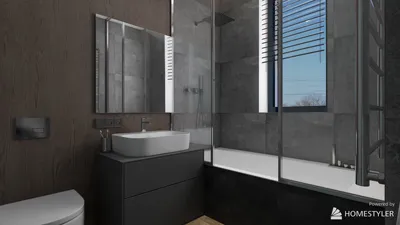


When designing living room tile, I focus on achieving a harmony of aesthetics, comfort, and resilience. The ideal tile arrangement can visually enhance the space, define a sitting area, and endure daily use without losing its appeal. Research from workplaces highlights that a well-structured environment can be translated into residential comfort; for instance, Steelcase shows that defined spaces and visual order can induce a sense of peace, which is precisely what an effectively designed tile layout offers in a bustling living area. Moreover, WELL v2 underscores the importance of glare management and visual comfort, reminding us that the sheen and color value of finishes can influence eye strain and ease within our living spaces that transition from day to night.
Supporting data reinforces material choices. WELL v2 mentions that controlling reflectance to minimize glare help maintain visual sharpness in various lighting conditions, crucial for tiles positioned near windows or glossy surfaces. Research by Gensler indicates that clear floor patterns enhance navigation and spatial understanding—especially beneficial in open-concept homes where the living area merges with dining and kitchen spaces. While designing a tile pattern, I assess daylight reflectance, lamp color temperature—aiming for 2700–3000K for a cozy evening glow—and how light bounces off the tile surface to ensure a comfortable light ratio.
Essential Principles for Living Room Tile Design
Before selecting images on Pinterest, I consider three key aspects: scale, reflectance, and joints. Using oversized porcelain tiles (24x48 in / 60x120 cm) minimizes grout lines and creates an illusion of space; smaller tiles can provide rhythm and texture but require close grout joints to avoid a cluttered appearance. In well-lit rooms, I steer clear of high-gloss tiles in main walking paths to diminish distractions from glare. Instead, a matte or satin finish can produce a serene look while still reflecting sufficient light to illuminate the space.
Visual Approaches: Enhancing the Perception of Space in Small Rooms
Laying rectified large-format tiles in a staggered or 1/3 offset pattern minimizes uneven edges and elongates sightlines. Choosing light, warm neutral tones (LRV 50-70) can softly elevate the floor plane without subjecting it to overwhelming exposure from the sun. According to color psychology insights summarized by Verywell Mind, delicate blues and greens promote tranquility; applied to flooring, a cool gray-beige tile with gentle green hints harmonizes beautifully with warm wood furnishings and enhances the room’s airiness. Grout should be 1-2 shades darker than the tile to eliminate distracting grid lines.
Trendy Designs: Herringbone, Chevron, and Modular Patterns
Herringbone and chevron tile patterns bring energy without overwhelming the space. I prefer elongated porcelain planks (8x48 in) that mimic soft oak or ash, providing scratch resistance and eliminating seasonal gaps. For a contemporary feel, a modular grid featuring 24x24 in plus 12x24 in tiles fosters a tranquil rhythm—creating a gallery-like ambiance where the rug and sofa take center stage. When experimenting with different layouts, utilizing a room layout tool can assist in visualizing traffic flows and rug placements prior to finalizing your designs: Homestyler.
Natural Stone vs. Porcelain: Each Material's Strengths
Marble creates a lavish atmosphere, but I typically use it in low-traffic areas or opt for honed finishes to reduce visibility of etching. When sealed properly, travertine and limestone provide subtle elegance with soft textures—ideal for Mediterranean or organic modern settings. High-quality porcelain successfully mimics stone and terrazzo while boasting exceptional resistance to stains, scratches, and moisture, making it an excellent choice for open floor plans that lead to kitchens or patios.
Influence of Color and Mood: Warm Tones, Contrast, and Accents
Colors shape our focus and pacing. In a warm color scheme (like camel, cognac leather, or walnut), selecting tiles with soft amber or warm gray undertones is ideal. For cooler palettes (think charcoal, ink, or sage), a light greige porcelain can help maintain warmth. Strong contrasts should be limited to rugs or coffee table bases, as excessively high-contrast floors can disrupt the room's harmony. In smaller areas, I often carry the same tile through from entry to living zones to foster a continuous visual flow, adding a textured rug to delineate seating areas.
Acoustic Comfort and Underfoot Ease
Hard flooring often enhances sound reflection, so I soften tile surfaces with layered textiles—incorporating rugs, curtains, and cushioned seating. Research by Steelcase indicates that a comfortable acoustic environment significantly impacts perceived productivity and wellbeing, which translates to a home context with softer sounds and less harsh reflections. It's advisable to place a dense rug pad beneath area rugs, and consider adding acoustic wall panels or art covered in fabric if you have a high-ceilinged living room. Radiant floor heating beneath porcelain can create a gentle warmth, enhancing comfort during chilly months without the bulk of heaters.
Illuminating Your Tiled Living Space
The arrangement of lighting is as critical as your tile selection. I prioritize ambient lighting (2700–3000K, CRI 90+) first, then incorporate accent lighting to illuminate transition areas and accentuate textures on decorative tiles. Recommendations from IES highlight the necessity for glare control; using wall washers and shielded downlights can prevent glaring reflections on glossy tiles. Dimmable lighting preserves tranquility during the evening, while daylight sensors can stop the floor from reflecting like a mirror on sunny days. For very light tiles, opt for a soft matte finish on the ceiling to minimize inter-reflection.
Zoning the Room with Thoughtful Layouts
In expansive open plans, a tile layout can subtly define areas for lounging, media, and reading. You might rotate a herringbone pattern 90 degrees in the lounge while maintaining a straightforward plank pattern in circulation spaces, connecting them with a metal inlay or shared grout color. During the planning of furniture arrangements, it’s beneficial to simulate clearance—at least 36 inches for main pathways and 18 inches around coffee tables—to ensure smooth movement. Should you require to explore various zoning layouts promptly, an interior layout planner can be incredibly time-saving: Homestyler.
The Importance of Grout: Color, Width, and Maintenance
Opt for a grout color that either blends in (tone-on-tone) or accentuates geometry (high-contrast). For contemporary aesthetics, keeping 2-3 mm joints on rectified tiles maintains crisp lines. In high-traffic settings, epoxy grout withstands staining but demands careful installation. Remember to reseal cementitious grout regularly to keep a tidy appearance, especially with lighter tiles.
Sustainable Selections and Long-Term Maintenance
Look for porcelain tiles with recycled materials and confirm that adhesives and grouts meet emissions standards to support indoor air quality. Utilizing walk-off mats at entry points helps eliminate grit and prolongs the finish's life. For upkeep, a neutral pH cleaner is essential for preserving sealants and preventing buildup that may increase glare under intense lighting. If your household includes children or pets, opt for tiles with slight texture (R9-R10 slip rating) to enhance safety and ease of maintenance.
Inspiring Ideas to Explore
- Whisper-gray terrazzo porcelain featuring micro-aggregate and a satin finish, complemented by oak shelving and linen upholstery, for a fresh Mediterranean touch.
- Warm taupe porcelain (24x48 in) in a 1/3 offset pattern under a charcoal couch, paired with a handwoven rug for acoustic softness.
- Honed limestone-look porcelain extending seamlessly from entry to living area, highlighted by a brass inlay at the dining threshold.
- Elongated plank tiles in light ash arranged in herringbone beneath an eye-catching pendant, dimmed to 40% for an inviting evening atmosphere.
- Subtle encaustic-look patterned porcelain on a feature hearth area, balanced with subdued field tiles in other sections to maintain visual calm.
Connecting Design with User Experience
Living rooms thrive when the flooring facilitates real-life activities: social interactions, play, reading, and watching television. A well-organized tile layout guides movement, the appropriate finish manages glare, and rugs add both acoustic and tactile comfort. When these components work harmoniously together, the living room emanates a sense of grounded modernity—requiring minimal daily adjustments.
References
Valuable resources for human-centered design and comfort include the WELL v2 guidelines focusing on light and comfort, as well as Steelcase's research on workplace wellness and acoustic comfort.
Frequently Asked Questions
Q1. What tile finish is best for living rooms that receive a lot of natural light?
A satin or matte finish is ideal for minimizing glare while ensuring ample brightness. The WELL v2 guidelines highlight the importance of reducing disability glare for comfort, making lower-sheen finishes preferable near windows.
Q2. How can I make a compact living room feel more spacious using tile?
Utilize large-format tiles with light to medium tonal values, ensuring minimal grout contrasts. Position the long edge parallel to the longest wall and maintain tight grout joints to reduce visual disarray.
Q3. Are porcelain wood-look planks appropriate for living rooms?
Absolutely. They replicate the warmth of wood while offering superior scratch, water, and UV resistance—especially suitable for open-plan spaces and homes with children or pets.
Q4. What grout color should I select?
For a cohesive appearance, choose a grout that is 1-2 shades darker than the tile. If highlighting patterns (like herringbone or chevron) is your goal, a subtle contrast works well.
Q5. How can I enhance acoustics in a room with tiled flooring?
Incorporate layered rugs and curtains, utilize upholstered seating, and consider adding acoustic art panels to absorb sound. Reducing hard surfaces minimizes echoes and sharp reflections.
Q6. What lighting temperature is recommended for use above tile surfaces?
A temperature range of 2700-3000K is optimal for living spaces to retain warmth. It’s wise to select CRI 90+ lamps for accurate color rendering and use dimmable options for evening relaxation.
Q7. Are natural stones feasible for high-traffic living areas?
Honed limestone or travertine can be suitable with proper sealing and maintenance practices. For the maximum durability while achieving a similar look, consider stone-look porcelain.
Q8. How can I effectively zone an open-plan living room using tiles?
Alter laying patterns between sections (for instance, straight lay in paths and herringbone in seating areas) and align transitions with furniture lines. Consider testing ideas using a layout simulation tool prior to installation: Homestyler.
Q9. What slip resistance rating should I aim for?
For indoor living spaces, targeting a mild texture (R9-R10) provides safety without compromising on easy cleaning.
Q10. Are large-format tiles prone to cracking?
Not if the foundation is adequately prepared, movement joints are incorporated, and professional installation is employed to ensure a smooth and even layout. The advantage lies in fewer grout lines, creating a more tranquil visual effect.
Q11. How do color undertones influence mood?
Warm undertones (like beige or taupe) promote a cozy atmosphere, while cool undertones (such as gray with blue or green) evoke an airy and serene feeling. Research in color psychology highlighted by Verywell Mind connects softer tones with reduced stress levels.
Q12. What maintenance practices will help keep tile sheen intact?
Utilize pH-neutral cleaners, avoid waxes that may leave a film, and ensure walk-off mats are used at entry points. Regular grout sealing helps maintain the overall cleanliness of the floor.


Rustic Solid Wood Round Coffee Table With Black Metal Legs 3D Model
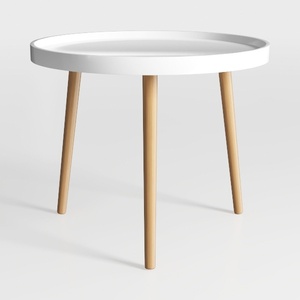
danpinera Round Side Table, Metal Legged Accent
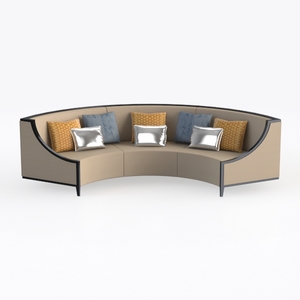
Modern Fabric Curved Sectional Sofa With Decorative Throw Pillows 3D Model
Discover Homestyler, the ultimate online home design platform! With an intuitive design tool, stunning 3D renderings, and extensive DIY video tutorials, it's never been easier to visualize and create your perfect space. Ideal for both beginners and experienced designers—unleash your creativity today!
Design Now for FREE
































