

Indoor swings, such as those crafted from wood, metal, or woven materials, infuse modern homes with comfort, playfulness, and a nod to tradition. I view these swings as functional art pieces: they define space usage, create conversation areas, and invite moments of reflection. Prices can vary significantly depending on the materials, craftsmanship, load capacity, and installation intricacies; understanding these aspects ensures a wise and secure investment.
When discussing indoor swings, prioritizing safety and comfort is essential. The WELL v2 principles on Light and Movement illustrate that environments which harmoniously blend physical support with calming visual elements promote well-being. Good ergonomic practices combined with sturdy installations can diminish strain and anxiety levels. Insights from workplace studies indicate that spaces designed for short breaks—brief restorative interludes—aid in mental recovery and focus. An indoor swing positioned for clear visibility and gentle lighting can effectively provide this restorative space. These insights shape my selection and positioning strategies.
The quality of materials and construction directly impacts both cost and longevity. Swings made from solid teak or oak with intricate carvings generally carry a higher price due to the quality of the wood and the labor involved. In contrast, powder-coated steel frames or minimalist rope designs are often more budget-friendly. To ensure comfort and proper lighting, I adhere to IES recommendations that suggest avoiding high-glare lights positioned directly above reflective materials. Soft, warm lighting (between 2700–3000K) fosters a soothing ambiance without overwhelming reflections. Additionally, the psychology of color is crucial; soothing blues and earthy greens around the swing can help alleviate stress, as supported by research from Verywell Mind regarding color and mood.
What is the cost of an indoor swing?
Generally, swings fall into three pricing categories based on materials and construction quality.
To assess value effectively, I consider the weight limit, seat depth, chain durability, and certification of the hardware. Many commercial-grade chains support loads exceeding standard residential expectations; ensure that the installation (ceiling mounts, chains, and seat) is appropriate for the intended usage and weight requirements.
Major Cost Influencers
Hardwoods like teak, oak, and sheesham tend to be pricier due to their durability, grain stability, and lifespan. Metal frames are an economical option that is easier to maintain and suits contemporary aesthetics well. Woven materials such as rattan or cane provide breathable comfort and are visually light. Cushions and upholstery can increase costs, but high-performance fabrics designed to resist fading and stains are especially useful in sunny areas or family spaces.
The craftsmanship quality—specifically whether the joinery uses mortise-and-tenon techniques or simpler screw-on brackets—along with hand-carving and seamless welds serve as clear indicators of cost. A swing crafted by an artisan typically features balanced suspension points that lessens tilting and noise, enhancing long-term comfort.
The grade of ceiling anchors, expansion bolts, and chain quality significantly influences both safety and cost. Choosing professional-grade kits with reliable safety ratings can mitigate risks. It's advisable to select load ratings that exceed anticipated weights, especially for swings meant to accommodate two adults.
Costs can differ based on ceiling composition: concrete slabs can use expansion anchors, while timber joists necessitate locating beams and employing lag screws along with backing plates. For complex configurations, using a room layout designer can help simulate space usage and clearances before installation.
Oil finishes on hardwood enhance its natural grain and are simple to renew. Powder coating on metal resists rusting. Additional features such as armrests, decorative panels, or integrated cup holders slightly raise prices but can notably improve comfort in daily use.
Dimensions, Proportions, and Comfort
A comfortable swing seat typically measures 42–60 inches in width for one to two users. The ideal seat depth should be between 18–22 inches, with backrest angles around 100–110 degrees for optimal relaxation. The height of the chain drop must allow for feet to lightly touch the ground (approximately 15–18 inches from the floor to the seat top for most adults) to prevent dangling fatigue. Clearances of 24–36 inches should be maintained in front and behind the swing to allow for smooth movement and safe exit.
Strategies for Placement and Lighting
Position the swing where foot traffic is limited and ensure it captures a calming view—be it a garden, artwork, or well-placed light. To minimize glare, avoid positioning bare light bulbs within the direct line of sight; instead, opt for diffused fixtures or shaded lights that soften reflections on polished surfaces. According to IES regulations and WELL lighting standards, using warm white lighting promotes relaxation, while consistent ambient lighting helps prevent eye strain. Combining this with task lighting is effective if the swing serves as a reading nook.
Acoustic Considerations and Behavior
Small creaks may arise from uneven suspension points or chain friction. Installing felt washers and regular lubrication can help ensure quiet operation. In lively environments, incorporating a rug and upholstered furnishings nearby can absorb sound. Behaviorally, the swing becomes a personal sanctuary; in open spaces, it can define a conversation area without the need for physical barriers.
Sustainability Themes
Whenever possible, opt for FSC-certified timbers, low-VOC powder coatings, and durable fabrics to enhance longevity. Choosing timeless designs minimizes the urge to frequently replace items, reducing landfill waste. Careful installation, such as reversible anchors in rental properties, also minimizes damage and waste.
Checklist for Installation
Maintenance and Durability
Regular dusting, quarterly checks on fasteners, and annual oil restoration on hardwood are essential. Inspect chains for wear and corrosion. Substitute worn cushions with high-performance textiles to ensure continued support. A well-maintained swing can serve effectively for years, characterized by stable motion and elegant design.
Expert Notes
For ensuring an environment that promotes health, I refer to the WELL v2 principles on Movement and Light for encouraging restorative breaks and visual comfort. Research from Steelcase's library provides valuable insights into how these restorative elements translate into enhancing relaxation zones in homes.
Frequently Asked Questions
Select hardware and chains that have a load rating well above your anticipated use, particularly for seating designed for two. This cautious approach mitigates risk and wear.
No—drywall alone cannot support the weight. Proper anchoring into joists or a concrete slab using the recommended fasteners is necessary.
Leave around 24–36 inches of space in front and behind the swing and steer clear of high-traffic areas.
Aim for a seat width of 42–60 inches and a depth of 18–22 inches, with a backrest angle between 100–110 degrees for the most comfortable posture.
Utilize warm, diffused lighting (approximately 2700–3000K) and avoid bare bulbs or high-glare lighting directly in sight of the swing.
Metal frames offer durability and contemporary appeal at a lower cost; hardwood provides warmth and a more luxurious feel with better refinishing options over time. Choose based on your aesthetic tastes, budget constraints, and maintenance considerations.
Ensure balanced suspension points, use felt washers, and regularly lubricate chain links or pivot components for optimal performance.
Prioritize performance fabrics that are stain-resistant and durable for longer-lasting use that's easier to maintain.
Yes, with careful planning and consideration of surroundings, compact seating can be accommodated. Utilize a room planner to visualize clearances before installation.
Absolutely—soft blues and earthy greens near the swing can effectively lower stress levels, in line with color psychology research.
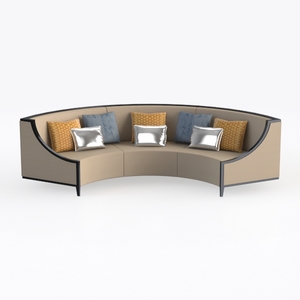
Modern Fabric Curved Sectional Sofa With Decorative Throw Pillows 3D Model

Rustic Rectangular Coffee Table, 44.8 Inch
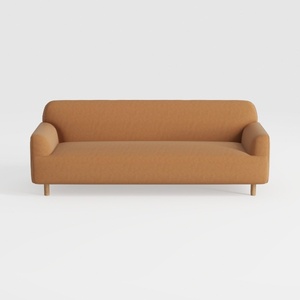
Minimalist Fabric Wooden Legs Sofa 3D Model
Homestyler is your go-to online home design platform, perfect for anyone looking to redesign their space effortlessly. With its user-friendly design tool, stunning 3D renderings, diverse design projects, and informative video tutorials, you can unleash your creativity and turn your vision into reality!
立即免费设计
































