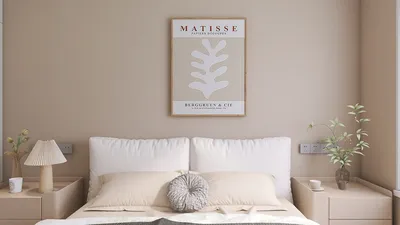


I dedicate considerable time to optimizing comfort in compact apartments and small home offices, and the heating solution often makes a significant difference. In restricted areas, every square inch is crucial, therefore selecting the appropriate heater, positioning it accurately, and utilizing effective controls can turn a cool corner into a warm, energy-efficient haven with the help of Homestyler.
What are the Heating Requirements for Small Spaces?
In confined areas, the aim is to achieve rapid and even warmth without creating hot spots or compromising safety. The WELL Building Standard (WELL v2) indicates that thermal comfort is governed by air temperature, radiant temperature, air speed, and humidity; managing these elements can decrease discomfort and boost productivity. Research from Steelcase reveals that discomfort in environmental conditions can diminish concentration and performance, further emphasizing the importance of steady temperatures and minimal drafts in small work areas. My objective is to ensure stable temperatures, regulated airflow, and surfaces that remain comfortably warm to the touch.
Selecting the Appropriate Heater Type
Each heating technology exhibits unique performance characteristics in small rooms, and aligning the output with the room size prevents unnecessary power consumption. Findings from Gensler's workplace surveys underscore that having control over heating settings is vital for occupant satisfaction; heaters equipped with adjustable thermostats and timers often yield superior results. As a guideline, a compact electric heater with a range of 1200–1500W is sufficient for a space of 120–150 sq ft, depending on insulation. When choosing models, it's essential to assess energy consumption, noise levels, and safety features like tip-over and overheat protection.
Useful Resources for Comfort Standards
Essential resources for thermal comfort guidelines include the WELL v2 thermal comfort instructions found at wellcertified.com and Steelcase's environmental performance research available at steelcase.com/research.
Categories of Effective Compact Heaters
• Ceramic convection heaters: Versatile options that quickly warm air, effectively circulate heat, and are usually quiet, making them suitable for bedrooms and home offices. Look for models with digital thermostats and eco-friendly settings.
• Oil-filled radiators: Excellent for providing steady and silent warmth. They are heavier, but they release gentle, prolonged heat, making them ideal for nighttime use, as their thermal inertia minimizes short cycling.
• Infrared/halogen heaters: Perfect for localized warmth—direct radiant heat where you need it, like a seating area or workspace. However, they may not effectively warm larger rooms unless they are particularly small.
• Wall-mounted panel heaters: Space-efficient for micro rooms, their slim design keeps floors clear, and some models allow for hardwiring for a neat installation.
• Micathermic heaters: These hybrid units provide a combination of radiant and convection heat, reaching operating temperature swiftly and providing a more evenly distributed warmth than purely radiant options.
Power, BTU, and Sizing for Tight Spaces
Proper sizing is essential to avoid energy waste and overheating surfaces. A standard 1500W electric heater produces approximately 5100 BTU/hr, suitable for rooms measuring 120–150 sq ft with average insulation. In cases where the room has single-pane windows, drafty doors, or is situated above a garage, it's crucial to manage expectations and consider additional sealing or slightly increasing output within safe limits. Always ensure that heater capacity aligns with the room's size and heat loss factors.
Optimal Heater Placement: Heat Where It's Needed
The positioning of heaters is just as critical as the units themselves. Maintain a clearance of at least 3 feet from textiles and furnishings, ensure airflow is not obstructed, and place them away from curtains. In living areas, tilt infrared heaters toward the seating area; in office settings, place ceramic convection heaters near the base of circulation areas, steering clear of under-desk locations where cables tend to gather. If you’re organizing furniture and traffic flow in a small space, a layout simulation tool like Homestyler can help you visualize heater placement in relation to clearances and movement paths.
Prioritizing Safety: Clearances, Sensors, and Surfaces
Safety is paramount: ensure heaters are UL/ETL certified, equipped with tip-over switches, and have overheat protection. Keep them off high-pile rugs and away from pet sleeping areas. Proper cord management is essential—routed along baseboards rather than across walking paths. I prefer models with cool-touch exteriors for use in small bedrooms and children's play spaces.
Addressing Noise, Light, and Comfort
Acoustic comfort is often delicate in small rooms. Heaters with fans can vary significantly in noise levels: aim for operating below 40–45 dBA in bedrooms and for focused work settings. Glare may not be obvious with heaters, yet exposed radiant elements can produce stark contrasts in lighting; for compact reading areas, select shielded infrared heaters to prevent visual discomfort.
Managing Energy Use and Costs
Smart controls enhance the feeling of spaciousness within small rooms by effectively balancing heat over time. Utilize thermostats with deadbands of 0.5–1.0°F to avoid rapid cycling. Employ timers and occupancy settings to avert unnecessary heating of unoccupied spaces. Opt for eco modes that restrict wattage or adjust fan speed. Complement heaters with draft seals, thermal curtains, and door sweeps to minimize heat loss before increasing power.
Material and Surface Considerations
Oil-filled radiators retain warmth longer, providing a consistent radiant environment that mitigates feelings of temperature fluctuation. Metal casings lose heat rapidly, while plastic ones remain cooler to the touch. In micro bedrooms, I lean towards oil-filled heaters for nighttime comfort; conversely, for short-use work areas, ceramic units offer the advantage of quick heating.
Color Psychology Influencing Thermal Perception
Warm tones can enhance the sense of warmth in a space. According to Verywell Mind's overview on color psychology, hues like reds, oranges, and warm neutrals evoke feelings of coziness and energy. While a warm color palette won’t physically increase temperature, it can positively influence the mind’s comfort response, particularly during winter months.
Ergonomics and Behavior Patterns
In home offices, heaters should not blow directly towards hands or faces, as local drafts can lead to discomfort and dryness in the eyes. Instead, position units to warm the ambient air while keeping airflow clear of the immediate work area. In living rooms, consider social dynamics; radiant heaters should face seating areas, while convection models are best placed to create a gentle airflow loop around the perimeter.
Creating Zones in Small Spaces
Even in single-room studios, creating micro-zones is beneficial. Pair a reliable, low steady heat source (like an oil-filled radiator) with a localized radiant heater for activities like reading. Utilize smart plugs to set schedules for the base heater, allowing a manual switch for quick adjustments. If you’re re-arranging furniture to establish these zones, a tool like Homestyler can assist you in testing out clearances and heater placement.
Aesthetic Balance and Spatial Ratios
Heaters should complement the room's design and not dominate the visual space. Maintain vertical lines; avoid placing a tall heater next to tall storage units, as this can create a sense of constriction. Low-profile panel heaters along elongated walls strengthen horizontal lines, making compact rooms appear more spacious.
Regular Maintenance for Longevity
Dust accumulation can significantly diminish efficiency. Vacuum heater intake grilles monthly and keep any filters clean as applicable. While oil-filled units require little maintenance, fan-driven heaters need consistent dust management to ensure optimal airflow. Conduct annual checks on cords for wear, especially in tight spaces where furniture is frequently moved.
Quick Specification Checklist for Small Rooms
• Power Output: 750–1500W with adjustable settings
• Safety Features: Tip-over protection, overheat safeguards, certified listings
• Noise Levels: Aim for below 45 dBA in bedrooms
• Control Options: Thermostats, timers, eco modes, compatibility with smart plugs
• Design: Compact base with a stable footprint or wall-mounted options
• Placement Requirements: Maintain a 3 ft clearance, away from textiles and drapes
Frequently Asked Questions
Q1: What wattage is ideal for a 120 sq ft bedroom?
A: A heater in the range of 1200–1500W is typically adequate, assuming standard insulation. Opt for options with multi-stage settings (such as 750/1000/1500W) for greater flexibility.
Q2: Are oil-filled radiators safe for overnight use?
A: Definitely; they are ideal for steady night-time warmth due to their thermal inertia and whisper-quiet operation. Just ensure they have overheat protection and appropriate clearances.
Q3: How can I minimize heater noise in a small workspace?
A: Select ceramic convection models with low-noise fans, position them on stable surfaces, and regularly clean intake grilles to prevent noise issues.
Q4: Can infrared heaters uniformly heat an entire room?
A: Infrared heaters warm objects and people directly; they're excellent for specific comfort but may struggle with even heating in larger spaces unless they’re exceptionally small.
Q5: What placement enhances heating efficiency?
A: For convection heaters, position them near colder exterior walls to combat heat loss; keep airflow pathways unobstructed and maintain a 3 ft safety clearance.
Q6: Do smart plugs offer advantages in heating control?
A: Absolutely. Setting preheating schedules and occupancy rules can significantly lower energy waste while ensuring small rooms remain comfortably warm when needed.
Q7: Are wall-mounted panel heaters effective for smaller spaces?
A: Yes, they are excellent for cramped areas where floor space is limited. They provide gentle, consistent warmth while keeping walking paths unobstructed.
Q8: How do color choices impact perceived warmth?
A: Warm color schemes (reds, oranges, warm neutrals) can enhance the sense of coziness, promoting comfort even with a slightly lower temperature setting.
Q9: What safety features are essential?
A: Non-negotiable elements include tip-over switches, overheat protection, proper certifications, and effective cord management. Avoid placing heaters near textiles or high-traffic routes.
Q10: Is 1500W excessive for a small studio corner?
A: Not necessarily; using lower settings or eco modes may suffice. If the area overheats quickly, consider adjusting to 750–1000W for more precise control.
Q11: Do heaters affect indoor air quality?
A: Fan-equipped heaters can distribute dust; regular maintenance is crucial. Instead of relying on heaters, address drafts and insulation issues to improve air quality.
Q12: What’s the best choice for a cozy reading nook at night?
A: A small infrared heater aimed at the reading chair offers immediate warmth without unnecessarily increasing the overall room temperature; complement it with a silent base heater if required.
Discover Homestyler, your go-to online home design platform! With its user-friendly design tool, stunning 3D renderings, and a treasure trove of DIY video tutorials, bringing your dream home to life has never been easier. Unleash your creativity and transform your space effortlessly!
今すぐ无料でデザイン
































