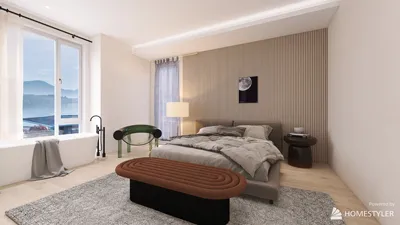


I have incorporated green curtains in numerous living spaces, ranging from cozy apartments to expansive family homes, and they consistently add a touch of clarity, tranquility, and refined elegance. Green is centrally located within the visual spectrum, making it soothing for the eyes; studies in color psychology indicate that shades of green promote relaxation and balance, which is particularly beneficial in technology-laden living areas. Verywell Mind corroborates this, stressing green's association with calm and renewal, aiding in alleviating visual fatigue during prolonged screen usage. Additionally, Gensler's studies highlight that biophilic elements, such as natural colors, can enhance perceived well-being in environments where individuals spend extensive periods.
In discussing performance, the details matter significantly. The Illuminating Engineering Society (IES) suggests that appropriate luminance and glare management in residential settings is vital to prevent reflections from TVs and reduce eye strain; layering sheer and lined green drapes can effectively modulate natural light while retaining the desired color presence. Furthermore, WELL v2 emphasizes the importance of daylight access and glare reduction as supportive strategies for health, which can be achieved through the correct selection of openness factor, lining, and positioning of the green curtains. When I design a bay window or media wall featuring large windows, I frequently combine a soft olive sheer with a dim-out forest-toned panel to fulfill both aesthetic and visual comfort objectives.
Trending Green Curtain Combinations That Shine
Not all shades of green respond the same way. The key is to align the tone with the intended use and the direction of daylight.
Managing Light, Glare, and TV Reflections
Living rooms must balance natural light and screen visibility. To minimize reflections on televisions while maintaining a vibrant green aesthetic, consider using a sheer with 5-10% openness (like sage or olive) alongside a lined panel. Install rods 6-10 inches above the window frames to ensure the curtains clear the glass when opened. For east- and west-facing windows, opt for tighter weaves in sheers to soften glare from low-angle sunlight. If you favor emerald velvet, pairing it with a cotton sateen lining featuring a light-absorbing finish can preserve color impact without dimming the room during midday.
Choosing Textures and Fabrics
The choice of material influences the ambiance just as much as color does. Linen offers a casual and breathable option, effectively diffusing bright sunlight while presenting an organic look in shades like sage or moss. Cotton blends are adaptable and easy to maintain, making them ideal for family homes and rental spaces. Velvet, particularly in rich tones like emerald or forest green, brings luxury and sound-softening qualities, perfect for larger areas prone to echo. Fabrics made from recycled fibers or solution-dyed materials resist fading under sunlight and support sustainability initiatives. For a polished look, opt for double pinch-pleat or Euro pleat styles; for a more casual vibe, go for rod pocket or ripplefold designs with minimal hardware.
Patterns vs. Solids: When to Use Each
In compact living rooms, solid shades of sage or olive can extend wall space and minimize visual distractions. In larger areas, introducing patterns—such as muted moss ikat, tone-on-tone jacquards, or delicate botanical designs—may be beneficial. Ensure that the background of the pattern closely matches your wall color to maintain cohesion. If your rug features a bold pattern, it’s best to keep the curtains solid for a harmonious rhythm and visual equilibrium.
Selecting Hardware and Proportions
The right hardware can elevate the elegance of green curtains. Aim for curtain rods that resemble jewelry rather than construction materials, ideally with a diameter of 1-1.25 inches for standard spans, complemented by slim finials in either blackened brass or matte black for a contemporary finish. Extend rods 8-12 inches beyond the window frame to allow the panels to fully clear the opening for optimal light access. The hem length should just touch the floor for a tailored appearance or break by 1-2 inches for a gentler look. High ceilings may benefit from puddling with emerald velvet, while standard heights typically appear cleaner with a precise floor kiss.
Considering the Ergonomics of Daily Use
If your living room doubles as a workspace, you’ll find that curtains are frequently adjusted throughout the day. Employing ripplefold tracks allows for smooth operation and even distribution of fabric—these are especially advantageous for larger spans. Opting for cordless or motorized systems minimizes physical effort and keeps hands away from light-colored sheers. For families with children, secure wands or cordless options enhance safety and eliminate tangles.
Harmonizing Green with Your Existing Color Scheme
Green pairs beautifully with neutrals and wooden tones. Cooler greens, such as sage and eucalyptus, harmonize with cool grays and blonde woods, while warmer greens like olive and laurel complement walnut, oak, and creamy whites. If your sofa is blue, select a green with a gray undertone to create a cohesive look. For accents in leather or terracotta, leaning towards olive or moss will help design a natural and unified atmosphere. Metallic finishes: brass can warm up emerald tones, nickel can cool down sage, and black can ground forest shades.
Acoustic Considerations and Comfort
Soft furnishings play a crucial role in sound absorption. In spaces with hard floors and high ceilings, lined velvet or heavy twill in shades of green can significantly decrease reverberation times, thus enhancing conversation and media experiences. Consider pairing these with a plush rug and fabric-wrapped panels behind artworks to foster a serene, enveloping ambiance.
Guidelines for Daylight Orientation
Room Layout and Window Considerations
When designing furniture layouts, especially in open-concept areas, it is wise to experiment with arrangements before hanging rods. I often create mock-ups of furniture and curtain arrangements to ensure optimal sightlines and glare control; utilizing a room layout tool assists in visualizing stack-back, screen angles, and light dispersion. If your sofa is oriented towards a west-facing window, contemplate a side-draw setup to simplify daylight management while maintaining aesthetic balance.
Budget-Friendly Options
Focus on areas that will provide the most visual impact: prioritize full-height panels, followed by sheers, and consider adding motorization afterward. Ready-made linen-look panels in sage can be enhanced with custom linings and improved hardware. If you're fascinated by emerald velvet but wish for a more economical choice, a microfiber performance velvet with blackout lining can deliver a stunning look and enhance viewing experiences.
Creative Ideas to Showcase Green
Sustainability Considerations
Seek OEKO-TEX certified materials and recycled polyester blends, particularly for windows exposed to direct sunlight. Durable, fade-resistant greens help extend replacement cycles. Choose hardware with low-VOC finishes and consider sourcing locally to minimize transportation emissions.
References for Further Exploration
For deeper insights into spatial well-being and comfort, Gensler's research sheds light on user satisfaction in environments enhanced by biophilic elements. Meanwhile, Verywell Mind provides foundational principles related to the calming effects associated with green. For guidance on light and glare management, IES standards and WELL v2 insights support informed decision-making regarding curtain placement and layering techniques.
Frequently Asked Questions
A sage or eucalyptus curtain in a matte linen blend maintains an airy environment while reducing visual congestion. Pair it with light walls and minimalist hardware to prevent a compressed feel.
Utilize a green sheer at 5-10% openness behind a lined olive or forest green panel. During bright hours, draw the sheer and during movie time, draw the lined panel; this approach preserves color while regulating light levels.
No—select a low-pile velvet in shades of emerald or forest green with simple Euro pleats on a minimal rod. This design harmonizes best with light and matte surrounding finishes to offset the richness.
Brushed nickel or matte stainless steel pairs well with cool greens; antique brass introduces warmth without traditional heaviness if the profiles are sleek.
Absolutely, as long as the curtain pattern features tone-on-tone colors and contrasts less with the rug. Keep the scale different—small patterns on the curtains balanced with larger ones on the rug—to avoid visual disharmony.
For a sharp, modern aesthetic, the hem should just touch the floor. If you prefer a softer look, allow a 1-2 inch break. Save puddling for rooms with higher ceilings and a more formal appearance.
Opt for a lightfast lining—such as cotton sateen or dim-out—to protect the fabric and reduce heat. In media rooms, a blackout lining behind emerald or forest green tones enhances contrast.
Not when the correct tone and weave are chosen. Shades like sage and olive in a linen fabric softly reflect light; however, deeper greens should be balanced with lighter walls and reflective surfaces, alongside generous stack-back.
Regular vacuuming with a soft brush attachment is recommended monthly. Many cotton-linen blends are dry clean only; however, performance fabrics can often be spot cleaned. Always test on a hem before treating any stains.
Ripplefold on a ceiling-mounted track provides the cleanest lines and seamless operation for larger spans, making it an excellent option for contemporary living rooms.
Colors such as olive, laurel, and moss responsibly complement oak and walnut, enhanced with brass accents to bridge the color palette while maintaining cohesion.
Indeed, using a light sage sheer paired with a deeper olive or forest panel offers an inviting depth and versatile control over natural light. Maintain consistent trims to unify the overall look.
What began as an Autodesk innovation has evolved into a design platform used by more than 18 million people around the globe. Homestyler combines powerful rendering, an intuitive editor, and a vast furniture library to help you turn inspiration into photorealistic designs — whether you're redesigning a single room or planning an entire home.
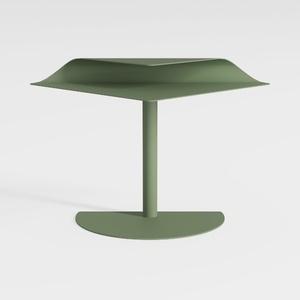

Minimalist Sage Green Metal Side Table Unique Shape 3D Model
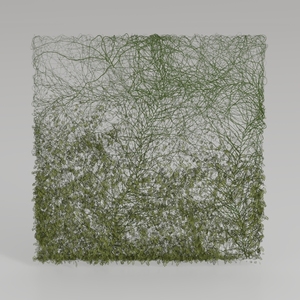
Natural Green Vine Wall Panel Decorative 3D Model

Dark Green Velvet Window Curtains With Metal Rod 3D Model
Homestyler is your go-to online platform for home design. With its easy-to-use design tool, stunning 3D renderings, and a plethora of inspiring DIY video tutorials, you can effortlessly transform your living space. Unleash your creativity and design your dream home today!
立即免费设计
































