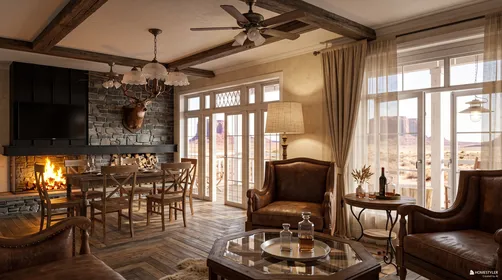
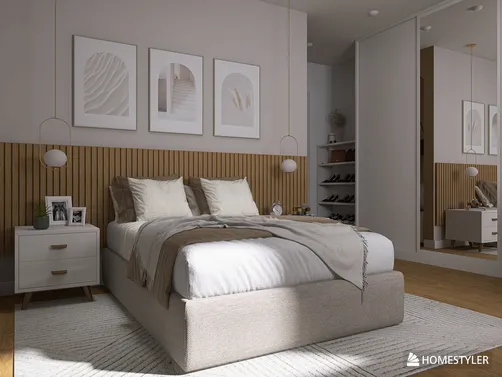
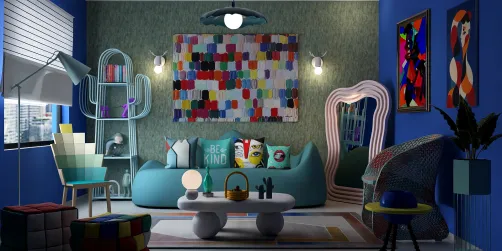
Glass tables infuse a sense of lightness into any living area. They reflect natural light, create a visually tidy space, and complement virtually any design aesthetic, spanning from modern to traditional. In open-concept layouts, I frequently opt for a glass coffee table to enhance sightlines and give a compact seating arrangement a more spacious feel. This visual openness is not merely aesthetic; research from Steelcase suggests that clearer sightlines and reduced visual clutter can increase feelings of control and tranquility, both of which are linked to comfort and concentration in communal environments. Furthermore, the WELL v2 framework highlights the importance of glare management, reflectance, and visual comfort as pivotal elements for occupant well-being, a critical consideration when integrating glass tables, lighting, and surrounding finishes together, especially using tools like Homestyler to visualize the space.
Functionality remains paramount in design. Ideally, a living room coffee table should be 14–18 inches high, aligning with standard seat heights of 17–19 inches for ergonomic convenience. I recommend maintaining a clearance of about 18 inches from the edge of the sofa to the tabletop to minimize awkward stretching. For pathways, it's important to keep 30–36 inches of space around the table in busier areas. Gensler’s workplace studies correlate unobstructed flow with improved behavior and comfort—a principle that applies just as effectively at home: removing obstacles enhances everyday functionality. These careful size choices make the allure of glass not only aesthetic but also practical and inviting.
Types of Glass Tables
I categorize glass tables used in living rooms into four main types, each offering unique spatial impacts.
Proportions, Clearances, and Sightlines
The proportion is key to creating harmony in a space. I aim for a coffee table that is approximately two-thirds the length of the sofa and centrally aligned to the primary seating. For an 84-inch sofa, a table between 54–58 inches tends to feel appropriate. Using round or oval glass tables can soften sharp angles and facilitate smoother pathways, which is particularly useful when accommodating multiple swivel chairs. For sectional sofas, I recommend using a rounded rectangle or a pair of low round tables to ensure accessibility for all seats. When dealing with complicated layouts, employing an interior design tool like Homestyler can assist in confirming reach, flow, and fit before any purchases are made.
Glass Thickness, Edge Profiles, and Safety Considerations
Tempered glass is essential for living rooms since it is designed to shatter into small, granular pieces rather than larger hazards. For coffee tables, I suggest a thickness of 10–12 mm (3/8–1/2 inch) to offer stability with minimal flex, while side tables may function well with 8–10 mm. For larger spans or cantilevered designs, consider increasing to 12–15 mm alongside appropriate understructures. The choice of edge profiles—whether pencil, flat-polish, or ogee—can significantly influence the aesthetic; pencil rounds feel gentler in family settings, while flat-polish edges convey a crisp and contemporary style. Corner rounding of at least 10–15 mm helps lower injury risks in tight spaces or homes with children.
Color, Tint, and Reflectance
Selecting low-iron glass minimizes a green hue at the edges, preserving the neutrality of whites and light woods; it’s perfect for Scandinavian and coastal designs. Smoke and bronze tints add warmth and help conceal dust and fingerprints. Take reflectance into account: high-gloss flooring and pronounced overhead lights can create glare on clear surfaces. Adhering to WELL v2 recommendations, I frequently combine clear glass with matte textiles to absorb reflections and maintain visual comfort, enhancing the living area with stylish elements like Homestyler.
Lighting the Glass Table
The direction of lighting is critical when dealing with glass surfaces. Opt for overhead fixtures that diffuse light widely, such as fabric shades or sandblasted glass, to prevent severe reflections. Task lighting from lamps or wall fixtures should illuminate items on the table, avoiding mirror-like glints. I aim for ambient light levels of 150–300 lux in living areas, ensuring dimmability for evenings. If you place a glossy coffee table book beneath the glass surface, angle accent lighting at about 30–35 degrees to minimize specular reflections, following IES glare-control guidelines.
Material Pairings that Enhance Glass
Glass serves as an exceptional intermediary material, allowing other textures to take center stage. I particularly enjoy combining glass with:
Shape Strategy by Room Size
- For small spaces: Round or oval glass tables maintain flow; the absence of corners is noticeably beneficial. Nesting tables provide flexibility without overwhelming the area. - For medium rooms: Rectangular or racetrack tables align nicely with sofas, enabling balanced reach, while mixed-material shelving aids in decluttering. - For larger spaces: Sculptural waterfall or tiered designs can visually connect different seating groups. In especially broad areas, employing two smaller identical tables may outperform a single oversized piece, as they scale better with individual seating clusters.
Ergonomics and Daily Use
Effective ergonomics manifest through subtle movements: reaching for a drink, the path taken to sit down, and the clearance needed to swivel. It's wise to position the tabletop 1–2 inches lower than the surrounding seats for easy accessibility. For frequent entertainers, modular or nesting tables allow guests to claim personal space without obstructing movement. In households with children or pets, opt for rounded edges, tempered glass, and sturdy bases to lower the risk of tipping—sled bases or wide four-leg structures are generally more stable.
Acoustics and Comfort
Glass reflects sound just as it does light. In lively environments (think hard floors and sparse textiles), add a rug beneath the table and other soft furnishings to reduce sound reverberation. A glass tabletop positioned over a dense wool rug maintains an airy appearance while enhancing acoustics. Complementary soft window treatments and upholstered items will make a substantial difference in sound control, demonstrating that balancing all surfaces is essential for a truly inviting lounge space.
Styling a Glass Coffee Table
Be selective in your styling. Typically, three key components are sufficient: a stable tray to organize items, a living element like a plant or seasonal flowers, and one sculptural piece with contrasting texture. For rectangular tables, arrange elements in a grid-like pattern: designate one area for functionality (remote controls, coasters), another for decorative items, and a flexible space for snacks or devices. For round tables, a triangular arrangement looks harmonious: position the tallest item off-center, balance it with a lower bowl, and ensure an open area for everyday use.
Maintenance and Longevity
Utilize a microfiber cloth along with a non-ammonia glass cleaner or a 1:1 water-vinegar solution for daily upkeep. Felt pads under decorative items can help prevent minor scratches. To maintain metal bases, a damp cloth quickly followed by drying prevents water stains; for wooden shelves below, adhere to the manufacturer’s maintenance guidance. Rotate styled items seasonally to distribute wear evenly, and re-level table legs after changing rugs to avoid stress on the glass fasteners.
Planning Your Layout with Confidence
Before making final decisions, prototype your layout. Tape the outline on your floor or use a digital design visualization tool to evaluate reach, flow, and proportions. Simple tools like Homestyler offer a great way to explore shapes—round versus rectangle, single versus nested designs—and assess how lighting and rugs interact with a glass table.
Two bodies of guidance inform many of these suggestions. Research from Steelcase and Gensler consistently connects visual clarity and unobstructed flow with enhanced comfort and ease of behavior, insights I've integrated into residential design. The WELL v2 framework also provides a solid structure for managing visual comfort and glare in mixed-reflectance interiors, especially beneficial where glass surfaces are complemented by directed lighting.
FAQ
Q1: What is the recommended thickness for a living room coffee table? A: For most coffee tables, 10–12 mm (3/8–1/2 inch) tempered glass offers a robust feel with minimal flex. Larger tables or heavily styled designs may require 12–15 mm.
Q2: How should the size of my glass coffee table relate to my sofa? A: Aim for a table that is approximately two-thirds the length of your sofa, keeping 18 inches of clearance to the seat front and 30–36 inches available for walkways in busy areas.
Q3: Which is better for small rooms, round or rectangular glass tables? A: Round or oval shapes excel in smaller spaces as they eliminate corner conflicts and facilitate circulation while maintaining an airy appearance.
Q4: How can I reduce glare on a glass top? A: Implement diffuse overhead lighting, add a matte rug beneath, and angle accent lighting at around 30–35 degrees to diminish specular reflections. Effective glare management aligns with WELL v2 visual comfort guidelines.
Q5: Is investing in low-iron glass worthwhile? A: Yes, particularly if you favor light color schemes or desire accurate whites and wood tones. Low-iron glass minimizes green edges and maintains a clean, neutral aesthetic.
Q6: What materials work best with glass? A: Brushed metals, warm woods, and honed stones complement glass's reflective quality while adding texture. Brushed finishes also disguise fingerprints better than shiny chrome.
Q7: How can I style my table to avoid visual clutter? A: Limit your décor to three elements: a tray, a living plant, and a sculptural piece. Ensure there’s a clear area for everyday use to maintain the table's practical appeal.
Q8: Is tempered glass required? A: Absolutely. Tempered glass is designed to mitigate injury risks if shattered, especially in family homes where rounded edges and stable bases are advisable.
Q9: Can a glass table enhance the sense of space? A: Visually, indeed. Clear tops maintain sightlines and minimize bulk, which can create an illusion of a larger, lighter seating arrangement—crucial in compact living rooms.
Q10: How can I effectively plan a layout before purchasing? A: Create a mock-up with painter’s tape on your floor, or experiment with dimensions and flow using layout simulation tools like Homestyler to verify reach and compatibility.
Q11: How should I address acoustics with a glass table? A: Incorporate a dense rug, soft window treatments, and upholstered seating to mitigate sound. A glass surface positioned over a wool rug maintains an airy aesthetic while enhancing acoustic comfort.
Q12: What’s the best method to keep a glass table streak-free? A: Utilize a microfiber cloth and a non-ammonia cleaner or diluted vinegar for effective cleaning. Felt pads under items prevent scratches, and rotating decorations can help manage wear.
Built on technology originally developed at Autodesk, Homestyler empowers anyone to design beautiful, realistic spaces in minutes. Join over 20+ million registered users (platform data, 2026) who have already discovered a smarter way to plan, visualize, and bring their dream homes to life — all from the comfort of a browser.

Modern Minimalist Two Tone Solid Wood TV Stand Cabinet 3D Model
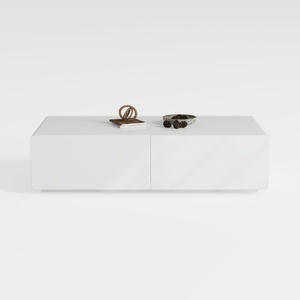

Minimalist White Solid Wood Coffee Table With Storage 3D Model
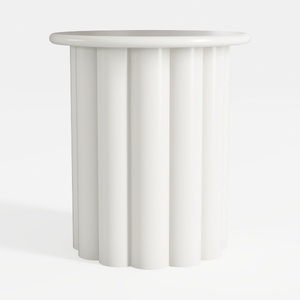
Minimalist Fluted White Round Side Table 3D Model
Homestyler is the ideal online platform for all your home design needs. Featuring an easy-to-use design tool, stunning 3D rendering, a vast selection of design projects, and helpful video tutorials, it empowers you to create and visualize your dream spaces effortlessly. Get started today!
Design Now for FREE