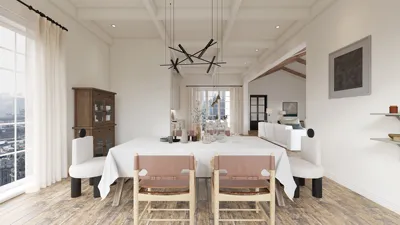


I've always viewed a large wall clock as more than just a time-telling device; it acts as a stunning focal piece that anchors a living room space, creates a rhythm, and subtly influences behavior. Selecting the right size, finish, and location can either harmonize a decorating scheme or inject a lively energy. In practice, I consider sightlines, natural light, and seating arrangements to determine the optimal diameter, depth, and design of the clock face to ensure it is easily readable without dominating the room's aesthetic. Incorporating tools like Homestyler can help visualize these details effectively.
Research consistently highlights the importance of designing with human visual comfort in mind. According to Steelcase’s workplace studies, achieving visual clarity and minimizing cognitive distractions lead to better task management, a principle that also applies at home with easily visible but non-intrusive time indicators. The WELL v2 Lighting guidelines advocate for balanced ambient light and glare management; using a large clock with matte hands and non-reflective glass significantly reduces glare in brightly lit spaces. These insights help me mitigate the common issue of shiny clock faces reflecting under overhead lights.
The psychology of color plays a critical role in this context. As outlined by Verywell Mind, tones such as blue and green promote calmness, while reds can energize the atmosphere. I utilize this knowledge by selecting clock accents that align with the intended mood of the room—cool neutrals for serene areas and warmer metallics for social spaces. When introducing a striking dial, I assess sightline contrast ratios to ensure numerals remain legible from primary seating positioned roughly 8–12 feet away.
Scale, Proportion, and Placement
Begin with proportion. Generally, in most living rooms, a large wall clock measures between 24–36 inches in diameter. For ceilings around 9–10 feet high, I aim for the clock's width to be about 30–40% of the wall segment it occupies, ensuring ample space—around 8–12 inches—around its edges. When positioning it above a console, I center the clock at approximately 58–62 inches to the center of the dial for optimal eye level while seated. If you’re refining your interior layout, consider using tools like Homestyler to experiment with placements and visualize clearances and sightlines.
Light, Glare, and Readability
Lighting significantly impacts readability, often more than people realize. I steer clear of placing large clocks directly in line with south-facing windows to avoid excessive glare during midday. A warm-white ambient light, around 2700–3000K, suffices for cozy living areas, while task lamps should be direcioned carefully to prevent their light from hitting the clock face directly. Matte or satin finishes on bezels and hands adhere to glare-control guidelines inspired by WELL v2 principles, and high-luminance numerals on a low-gloss background enhance readability across varying lighting conditions.
Materiality and Finish Choices
Choosing the right materials establishes the mood of the room. Solid wood evokes warmth and tactile appeal, while blackened steel or brushed brass introduces a sharp contrast; ceramic faces offer unique artisanal texture. Opting for sustainably sourced woods and low-VOC finishes fosters better indoor air quality. In spaces with hard floors and minimal soft furnishings, a wood or fabric-backed clock can help subtly dampen reflected sound, whereas metal frames in acoustically lively areas might amplify echoes. I consider touchpoints, acoustic comfort, and durability when selecting materials.
Color Psychology and Visual Balance
Large clocks exert considerable visual weight, making color an important factor. A monochrome dial can blend seamlessly into a minimalist design, while a high-contrast face can serve as a compelling conversation starter. I often employ warm neutrals to soften stark modern interiors and grayscale dials to create a balanced backdrop for vibrant art. Following insights from Verywell Mind, I've found that pairing calming blues and greens with textured fabrics enhances relaxation. It's crucial to keep color saturation in check if the clock is near a television or collection of art to avoid competing visual elements.
Typography and Dial Design
The style and legibility of numerals, indices, and hands are vital. Large Arabic numerals facilitate quick reading from various seating areas, whereas Roman numerals can lend a classic touch but may clutter smaller dials; on larger clocks, I opt for simplified serif fonts. Skeleton clocks can reduce visual bulk but depend on wall color for contrast; I ensure the background isn't overly intricate. I prefer hands designed with a counterweight for a balanced appearance and include a second hand only if its movement will not distract attention in quieter settings.
Acoustic Considerations
The sound of ticking can either be soothing or disruptive. In open-concept living spaces, I favor silent sweep movements to maintain acoustic comfort, particularly near reading areas. If you appreciate the charm of mechanical clocks, position them away from reflective surfaces and integrate rugs, curtains, and upholstered furniture to help muffle sound vibrations.
Mounting, Safety, and Maintenance
Ensuring proper anchoring for large clocks is imperative. Use wall studs or suitable anchors based on the weight of the clock, checking for level at various points to avoid visual discrepancies. Make sure the clock face is easily accessible for battery replacement; I adhere to a biannual schedule and clean it with a microfiber cloth to maintain its design. If the clock is placed close to HVAC vents, it's essential to check that airflow does not disturb the mechanism or create dust on the clock face.
Styling Around the Clock
Consider the clock as a key element in your overall home design. Balance it with a sleek, low console, a plant with upward growth, or a pair of sconces set low for evening ambiance. It's essential to avoid clustering smaller frames tightly around a large clock—establish hierarchy. In gallery wall arrangements, I create a central axis with the clock and stagger the surrounding artwork to maintain visual rhythm and prevent fatigue.
Trend Notes for 2024–2025
Two primary trends for the upcoming seasons are sculptural minimalism emphasizing refined materials and warm modern design characterized by softer edges and bronzed accents. Matte black bezels continue to be popular, yet textured stone composites and limewashed backgrounds add visual depth. Oversized, thin-profile clocks pair beautifully with slim sofas and lower coffee tables, keeping the room feeling spacious while establishing a clear focal point.
Frequently Asked Questions
A diameter of 24–36 inches is generally ideal for most living rooms. Aim for the clock to occupy about 30–40% of the wall segment width, leaving generous margins to avoid crowding other design elements.
Position the dial roughly 58–62 inches from the floor to ensure it is readable from a seated position; adjust based on ceiling height and furniture placement, aiming for at least 6–8 inches of space above a console.
Yes, it can impact your space. Opt for matte or satin glass and non-reflective bezels, positioning the clock away from direct light sources while managing ambient color temperature around 2700–3000K for comfort.
According to color psychology research, blues and greens have a calming effect; pairing these shades with soft textures and low-gloss finishes can reinforce a tranquil environment.
Indeed, in open layouts or peaceful reading areas, silent sweep movements enhance acoustic comfort without compromising on style.
Let the clock serve as the central anchor in your design. Ensure asymmetry in the arrangement of surrounding frames, vary the sizes, and allow for negative space so the overall composition feels open.
Durable options include powder-coated metal and treated wood. Clean with a microfiber cloth, and steer clear of ammonia-based cleaners to prevent haze on the glass.
While it can, ensure there is strong contrast. Skeleton designs rely heavily on wall color; on busy-patterned walls, choose bolder hands and indices for clarity.
To minimize glare, avoid placing large clocks directly across from intense daylight sources. Utilize side lighting with dimmable sconces to keep the clock's face clear and legible throughout the day.
I recommend using painter's tape to outline a mockup of your intended layout and employing a room design visualization tool like Homestyler to simulate sightlines and balance, minimizing potential errors before installation.


Discover your home design potential with Homestyler! This user-friendly online platform offers an intuitive design tool, stunning 3D renderings, a wealth of design projects, and helpful DIY video tutorials. Transform your vision into reality effortlessly—perfect for both beginners and experienced designers!
지금 무료로 디자인하세요
































