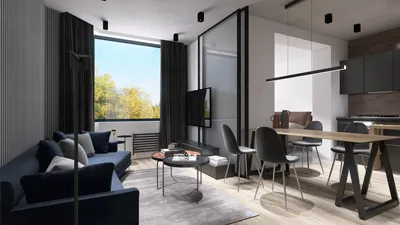


When it comes to designing indoor swimming pool areas, I see them as a fusion of multiple elements: a wellness studio, a hospitality space, and a high-efficiency environment. The best designs achieve a harmonious blend of humidity management, sound control, glare-free lighting, and enduring materials, creating a welcoming atmosphere that encourages daily use. An effectively designed space exudes tranquility, safety, and a timeless quality—rather than feeling sterile or clinical.
Design Goals and Performance Standards
My design philosophy begins with quantifiable comfort. According to WELL v2 standards, managing water and humidity levels effectively, along with acoustic treatment and easy-to-clean surfaces, contributes significantly to overall wellness and can influence recovery times. Additionally, the Illuminating Engineering Society recommends maintaining a horizontal illuminance of 200–300 lux in recreational pools, enhancing specific task areas (like lifeguard stations or steps) to range from 300–500 lux while mitigating glare over the water.
Glare-Free Lighting
Since water heightens reflections, I steer clear of direct, intense light aimed at the pool. Instead, I utilize indirect illumination—such as continuous coves, wall washing behind seating, and uplighting from ceiling fixtures—to create a balanced contrast and minimize reflections. For relaxation areas, warm to neutral color temperatures between 2700–3500K are ideal, while I opt for slightly cooler tones of 3500–4000K in lap swimming zones for sharper visuals. It's also beneficial to layer lighting: use ambient coves for atmosphere, targeted accent lighting for architectural highlights, and soft, shielded downlights along walkways. Smooth dimming capabilities are necessary to avoid abrupt changes in brightness, ensuring emergency and step lighting remains clear and visible.
Acoustic Comfort and Humidity Management
Indoor pools tend to be acoustically challenging due to reflective hard surfaces and expansive volumes that amplify noise. Therefore, I incorporate sound-absorbing features: perforated acoustic ceilings appropriate for high humidity, mineral wool behind wood slats, and microperforated wall elements positioned away from splash areas. Proper attention to mechanical systems is crucial as well; my target is a background noise level below NC-35 for residential luxury pools. The air distribution strategy uses low-velocity air supply near windows and return in moisture-heavy areas to prevent drafts and condensation issues. The WELL v2 guidelines suggest maintaining a comfortable temperature balance between air (82–86°F) and water (78–82°F) for optimal user comfort.
The Influence of Color and Space Planning
Color has a subtle yet significant impact on user behavior. Soft, muted greens and blues can promote restorative feelings, while warmer neutrals can create a welcoming lounge vibe. In active swimming lanes, sharper cool hues serve to define boundaries and enhance spatial awareness. It's sensible to limit the use of bright accent colors, as high saturation can be visually overwhelming on reflective surfaces. Ensure clear visibility near stairs and handrails to enhance safety; in low visibility conditions, this is more effective than signage. For evening swimmers, incorporating deeper color schemes paired with warm lighting helps create a relaxing environment.
Selecting Durable Materials and Finishes
The materials employed in pool areas must withstand chlorinated water, humidity, and routine cleaning. I advocate for using porcelain or sintered stone on decking, epoxy grout for joints, and marine-grade stainless steel (316) for fittings. While wood can add aesthetic value, I recommend thermally modified types or moisture-resistant engineered options and ensuring adequate ventilation to prevent warping. Anti-slip ratings are vital too; wet areas must adhere to high standards for slip resistance while transitioning smoothly to drier lounge spaces. When considering handrails and furniture, ensure they have sealed contacts to resist corrosion, and keep maintenance access discreetly out of sight.
Designing Sightlines, Layout, and User Pathways
Optimizing movement flow shapes the layout. I categorize entry points into three distinct zones: arrival (featuring towel and robe storage with warm lighting), transition (showers and rinse areas with clear, slip-resistant flooring), and immersion (with steps or ladders marked by high-contrast nosings). Seating arrangements should be set back from splash areas while still offering views of the water; a low, continuous bench against a wall can aid in reducing clutter. To aid in efficiently planning layouts and ensuring proper circulation, utilizing a room layout tool aids in simulating spatial arrangements before finalizing finishes.
Natural Light Considerations
Harnessing natural light can greatly enhance these areas, but if not controlled, glare can be a problematic factor. I lean towards high clerestory windows or shaded skylights equipped with diffusing mechanisms rather than large, low windows. For any glazing near the pool, anti-reflective coatings and external shading solutions should be utilized to soften brightness, and seating should be oriented perpendicular to main light sources to eliminate squinting. Aiming to provide daylight without direct exposure can help reduce swimming-induced flicker and vertigo.
Safety and Ergonomics in Design
In design, safety is paramount: consistent edge definitions, tactile transitions where water tends to collect, and redundancy in visibility cues for steps. Handrail specifications should cater to both adults and children, with smooth rounded edges and adequate clearance (1.2–1.5 m; 4–5 ft) around pool boundaries. Storage for equipment such as kickboards and towels should be accessible yet positioned out of splash zones. Wayfinding elements must be intuitive but understated, using tactile markers and low-contrast icons that evoke a calm environment.
Thermal Comfort and Mechanical Setup
Achieving thermal equilibrium is a delicate balance. Warm air that lingers near the ceiling is inefficient; destratification fans and well-placed return vents maintain consistent temperatures. The dehumidification system needs to be sized for peak usage rather than average—it's more effective to oversize than risk fogged windows. Ductwork should be constructed of materials that can withstand chloramines, and exposed metal ducts over water should be avoided. Mechanical rooms should maintain negative pressure relative to lounge areas to contain unwanted odors.
Curated Furniture and Amenities
I focus on selecting a limited number of high-quality furnishings: moisture-resistant loungers with removable and washable covers, side tables with sealed surfaces, and well-ventilated storage solutions. Towel warmers and hydration stations contribute to user comfort without overcrowding the visual space. If the area serves dual functions as a fitness or recovery zone, integrating a dedicated stretching space with resilient flooring, discreet audiovisual setup, and robe hooks positioned near exits can enhance usability.
Lighting Control Systems and Scenarios
Specific lighting scenes are crucial. I typically program four distinct settings: cleaning (high-output, cool-neutral light), lap training (uniform and glare-free illumination with higher vertical lighting), social atmospheres (warm, layered lighting focusing on architectural features), and night swimming (dimming only ambient and path lights). It's essential that sensor controls allow for manual overrides, and timeclock schedules align with user habits. Emergency egress lighting remains independent and always operational.
Sustainability and Long-Lasting Design
Durability is a key aspect of sustainability. Select materials that demonstrate high abrasion resistance, choose low-VOC sealers suitable for pool environments, and favor LED fixtures built with sealed housings to withstand humidity. Whenever feasible, recycle waste heat from dehumidification systems for preheating pool water. Consider plantings that thrive in humid conditions but won’t drop debris that clogs filters.
Practical Insights from Project Experiences
In a recent residential pool project, the installation of cove lighting behind slatted oak and microperforated panels effectively minimized noise without appearing overly clinical. We established the active swimming lane lighting at 4000K and relaxation zones at 3000K, with dimmed settings down to 20–30% for nighttime. A clerestory window allowed natural light to illuminate the far wall, while anti-slip porcelain adorned the deck. The end result felt calm, inviting, and subtly luxurious—maintenance-friendly and frequently utilized by the family.
References for Effective Design Results
To assess comfort criteria and participant engagement, I often refer to research conducted by Steelcase regarding environmental cues and behavior, alongside WELL v2 for performance benchmarks. Both sources stress the importance of intentional design elements—like acoustics, lighting, and layout—on how individuals interact with spaces. For more information, consult WELL v2 at v2.wellcertified.com and Steelcase's research at steelcase.com/research.
Frequently Asked Questions
For recreational pool settings, my target is an ambient lighting level of 200–300 lux, with increased illumination of 300–500 lux at stairs, lifeguard positions, and circulation zones to secure safety while minimizing glare, in line with IES guidelines.
To avoid exposing downlights during shallow angles toward the water, I opt for indirect coves, shielded fixtures, and wall washing. Additionally, I incorporate dimming features and matte surfaces around the pool.
Lounging areas benefit from warm lighting between 2700–3500K for relaxation, whereas swimming lanes profit from a cooler 3500–4000K to enhance clarity. Consistency across zones is essential to prevent visual fatigue.
In terms of acoustics, I recommend using humidity-rated absorptive ceilings, wood slat screens with backing, and selective microperforated panels distanced from splash areas. Although soft furnishings and towels contribute, they cannot replace structural sound absorption.
For materials, I suggest utilizing porcelain or sintered stone alongside epoxy grouting, marine-grade stainless steel (316), sealed stone surfaces, and moisture-resistant engineered woods. Avoid standard MDF and untreated metals in exposed areas.
Create defined zones for arrival, transition, and deep immersion. Ensure clear pathways around the edges, position benches away from splash zones, and orient seating to take advantage of views while maintaining clear passage. Using an interior layout planner can streamline the process of assessing sightlines and clearances.
For thermal comfort, aim for air temperatures between 82–86°F and water temperatures of 78–82°F for optimal user experience. Utilize low-velocity air supplies to maintain even distribution coupled with a dehumidification system suited for peak demands.
I suggest high clerestories or diffused skylights, external shading, and anti-reflective glazing. Avoid exposing the water's surface to direct sunlight; arrange seating perpendicularly to principal light sources.
Indeed. Specific scenes—such as cleaning, lap training, social events, and night swimming—enhance the versatility of the room and uphold visual comfort across different activities.
Concentrate on selecting durable, cleanable materials, sealed LED lighting fixtures, low-VOC coatings, and considerations for heat recovery from dehumidification. Design with maintenance access in mind to prolong longevity.
Utilize warm-neutral palettes, layered indirect lighting, a select few high-quality furnishings, and carefully integrated storage to maintain a visually serene deck environment.
In terms of safety, implement high-contrast stair nosings, tactile floor transitions, rounded corners, and unobstructed sightlines. Ensure that emergency lighting and signage are compliant but not overly intrusive.
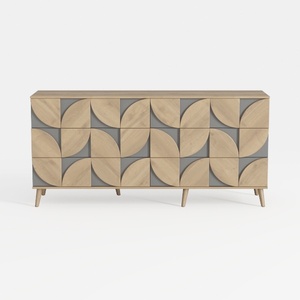
Farmhouse Sideboard Buffet Cabinet - Large Kitchen
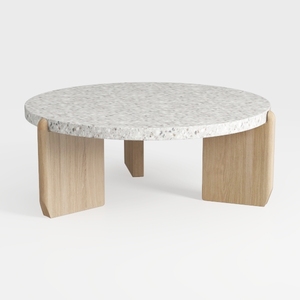
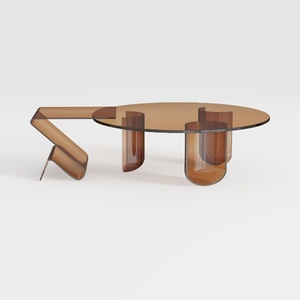
Round Coffee Table Modern Glass Coffee Table with
Homestyler is an exceptional online home design platform that empowers you to create stunning interiors effortlessly. With its user-friendly design tool, immersive 3D rendering, diverse design projects, and helpful video tutorials, transforming your home into a masterpiece has never been easier. Start your design journey today!
Diseño ahora GRATIS
































