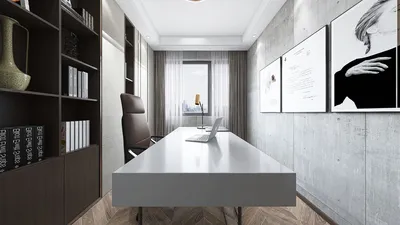


I have designed and constructed more pony walls than I can remember—these half-height dividers serve to anchor furniture, delineate spaces, and allow light and sightlines to permeate freely. An effective pony wall feels purposeful: it guides movement, frames vistas, and incorporates storage or electrical access without fully enclosing a room. In areas like living rooms, home offices, and open-concept lofts, it's the quickest method to create separation while maintaining the lightness that people cherish. Incorporating tools like Homestyler can help visualize these designs prior to construction.
Functionality is as important as aesthetics. Findings from Gensler show that clear spatial organization and defined areas correlate with increased satisfaction in open spaces—67% of participants in the U.S. Workplace Survey indicated that spatial clarity is vital for productivity. Furthermore, lighting plays a significant role: the IES suggests a range of 100–300 lux for ambient light in living areas, increasing to 300–500 lux for work zones. Hence, a pony wall should maintain consistent brightness without casting harsh shadows. Color choices are equally critical; Verywell Mind explains how blues can induce calm and enhance focus, while warm neutrals create a welcoming atmosphere—use this insight to guide your selection of finishes.
In homes emphasizing wellness, WELL v2 recognizes the importance of visual connection and natural light, emphasizing that half-height walls should not impede daylight or clear sightlines. For most residential settings, keep the pony wall height between 36–48 inches, with 42 inches often being ideal as it offers privacy when seated but openness when standing. In smaller apartments, I frequently combine a 42-inch pony wall with hidden storage and charging ports to support a sofa or desk without constricting movement. If you're experimenting with furniture arrangements, utilizing a layout tool can assist in confirming clearances before any construction begins: a tool like Homestyler can be particularly useful.
Define the Purpose and Positioning
Start with clarity: is the pony wall intended as a visual barrier, storage solution, bar ledge, or backdrop for decorative pieces? I begin by analyzing behaviors—where individuals sit, pass, and stop—and then position the wall accordingly to facilitate movement. Ensure primary pathways maintain at least 36 inches; 42 inches feels more expansive. Align the wall with existing architectural elements: window frames, ceiling beams, or flooring seams. In integrated living and dining spaces, centering the wall on a column line or window axis ensures balanced composition.
Determine Height, Thickness, and Proportions
Proper sizing ensures elegance. Ideal height ranges from 36–48 inches for residential walls, while 42 inches aligns well with standard sofa back heights and bar seating. The typical finished thickness is 4.5 inches (2x4 studs plus drywall), but I often increase it to 6–7 inches when incorporating storage solutions, outlets, or cable management. The ends matter too: cap the wall with a durable ledge of 1–1.5 inches, choosing hardwood or solid-surface material if it serves double duty as a display area.
Structure: Build It Sturdy, Not Heavy
Stability is key to preventing wobbliness. Secure the bottom plate to the subfloor or joists using appropriate fasteners (either screws into joists or anchors for concrete). If feasible, connect the top of the pony wall to a perpendicular return or low steel bracket at the floor for resisting lateral forces. Utilize kiln-dried studs spaced 16 inches apart. For walls exceeding 6 feet in length, consider incorporating a half-height buttress or end post to reduce flex. If aligning with existing framing, add blocking to support the top cap and any mounted items.
Ergonomics and Human Factors
Consider sightlines for both seated and standing positions. At a height of 42 inches, seated individuals can maintain privacy while still being able to make eye contact across the room. For home offices, a height of 44–46 inches may effectively hide desk clutter without creating isolation. Smooth corners where foot traffic occurs; a slightly rounded edge (1/4 inch) on the cap lowers the risk of impact. If power integration is needed, position outlets at around 15–18 inches above the finished floor on the side facing a desk or sofa.
Lighting, Shadows, and Color Strategy
Aim for lighting consistency: ensure ambient light reaches both sides of the wall. Utilize uplighting or wall-wash fixtures to prevent stark shadow lines. Adhering to IES guidelines, maintain around 100–300 lux of ambient light in leisure areas and 300–500 lux in task zones adjacent to the divider. Color is also important: cool neutrals on vertical surfaces keep the partition visually light, while warm, durable caps invite touch. A blue-gray hue can mitigate visual clutter; a soft taupe exudes coziness. Ensure the color's LRV (light reflectance value) stays between 50–70 to boost light reflection without glare.
Acoustics: Managing Sound Without Enclosing the Space
A pony wall might not completely eliminate sound, but it can help redirect it. Increase mass where possible—apply 5/8-inch drywall and consider adding mineral wool insulation if the wall backs a television or noisy appliances. Incorporate sound-absorbing materials in nearby areas, such as area rugs, padded seating, or acoustic panels, to decrease reverberation. Avoid placing speakers on the cap, as vibrations can compromise the wall's perceived quality.
Materials and Finish: Durable, Cleanable, Sustainable
Select materials capable of withstanding contact and wear. A paint-grade MDF cap with a hardwood veneer is budget-friendly, though it can mark easily; solid oak or maple are more resilient. In areas adjacent to moisture (like kitchen pass-throughs), consider solid surface or compact laminate caps for added moisture resistance. For sustainability-focused projects, check resources such as Material ConneXion for certified low-VOC finishes. Specify low-VOC paints and sealants; maintain tight joints with caulk prior to painting. Where contact is frequent, consider applying a wainscot panel on the traffic-facing side.
Integrating Storage and Power
A pony wall can serve as a utility backbone. Create niches between studs for books, routers, or small storage bins. Direct power and low-voltage wiring through the bottom plate and install a raceway under the cap for effective cable management. If planning for bar seating, install USB-C outlets on the dining side and a 15A duplex on the living side. Remember to allow for ventilation if you place media equipment within cavities—utilize louvered panels or recessed slots.
Testing Layout and Visualization
Before constructing, confirm traffic flow, furniture spacing, and sightlines. I often mock up designs with painter’s tape and cardboard caps to evaluate height and length, then verify using a room layout planner like Homestyler to check scaling and pathways. Simulate seating arrangements, bar stool heights, and door swings to ensure there are no tight spots. Align the wall with lighting fixtures to steer clear of odd shadows or glare.
A Step-by-Step Construction Guide
1) Measure and mark the dimensions, confirming joist locations. 2) Cut and secure the bottom plate; replicate the layout on the cap. 3) Frame the studs 16 inches apart; add blocking for outlets or shelves. 4) Ensure the assembly is square and plumb; add a short return or concealed bracket if necessary. 5) Run electrical and low-voltage wiring; have it inspected if required. 6) Cover with 5/8-inch drywall for stability; tape and mud accordingly. 7) Fasten the cap, securing it from underneath; soften the edges. 8) Prime, paint, and attach trim. 9) Install hardware, shelves, or ledges.
Design Features That Enhance Aesthetic Appeal
Consider incorporating a shadow reveal at the base to create a lighter visual effect. A 3/8-inch reveal between the cap and the drywall can provide a refined look. If the wall frames a view, adjust the cap height to align with countertop or window sill heights in other areas for visual coherence. Scale your decor appropriately; a singular statement lamp on the cap is preferable to a clutter of smaller objects. Use cable grommets to keep technology neatly organized.
Advising on Safety, Codes, and Maintenance
Review local building codes if adding electrical installations, establishing a bar seating edge, or constructing near stairways. For high-traffic environments, round cap corners with at least a 1/8-inch radius. Use gentle cleaners for upkeep; avoid ammonia on natural wood surfaces. Touch up scuffs with a matched repair kit. Should you notice any swaying over time, consider adding a discreet floor bracket or short perpendicular return for added stability.
FAQ
Q1: What is the best height for a pony wall in a living room?
A1: The standard height ranges from 36–48 inches, with 42 inches being a preferred choice as it provides privacy while seated and openness when standing, aligning nicely with average sofa back heights.
Q2: How can I keep a pony wall from appearing bulky?
A2: Aim for a finished thickness of about 4.5 inches unless storage is necessary, use a narrow top cap (1–1.5 inches), and incorporate a base shadow reveal to visually lighten it.
Q3: Will a pony wall block natural light?
A3: Not notably if you maintain a half-height and select paints with medium to high LRV. Clear sightlines should be preserved, alongside ambient lighting at 100–300 lux as recommended by IES.
Q4: Is it feasible to include electrical outlets in a pony wall?
A4: Absolutely. Route wiring through the plates and studs, position outlets at 15–18 inches above finished flooring, and adhere to local regulations for inspections and GFCI requirements.
Q5: What are the best materials for a pony wall cap?
A5: Hardwood options like oak or maple provide durability, while solid surfaces or compact laminate are ideal for areas exposed to moisture. Softening edges enhances safety and comfort.
Q6: How can I stabilize a lengthy pony wall?
A6: Implement 16-inch spacing for studs, utilize 5/8-inch drywall, and add a short perpendicular return or concealed floor bracket at one end to withstand lateral pressure.
Q7: Does a pony wall aid in managing sound?
A7: It assists in redirecting sound rather than isolating it. Introducing mineral wool within the wall cavity can provide modest sound dampening, and soft finishes around the area help minimize reverberation.
Q8: What color is ideal for painting a pony wall?
A8: Select hues with an LRV around 50–70 to reflect light effectively without glare. Blues and cool neutrals encourage calmness and concentration, while warm neutrals create an inviting atmosphere.
Q9: How should I organize the layout surrounding a pony wall?
A9: Ensure a minimum clearance of 36 inches for walkways, align with architectural features, and simulate layouts with tools like Homestyler before beginning construction to avoid tight spots.
Q10: Can a pony wall incorporate storage?
A10: Certainly. You can integrate recessed niches between the studs or install a slim cabinet on one side while adding a cable raceway beneath the cap to manage tech wires discreetly.
Homestyler is your go-to online home design platform, perfect for both novices and pros. With its user-friendly design tool, stunning 3D rendering, a plethora of design projects, and helpful DIY video tutorials, you'll effortlessly create your dream space. Start designing today!
Design Now for FREE
































